

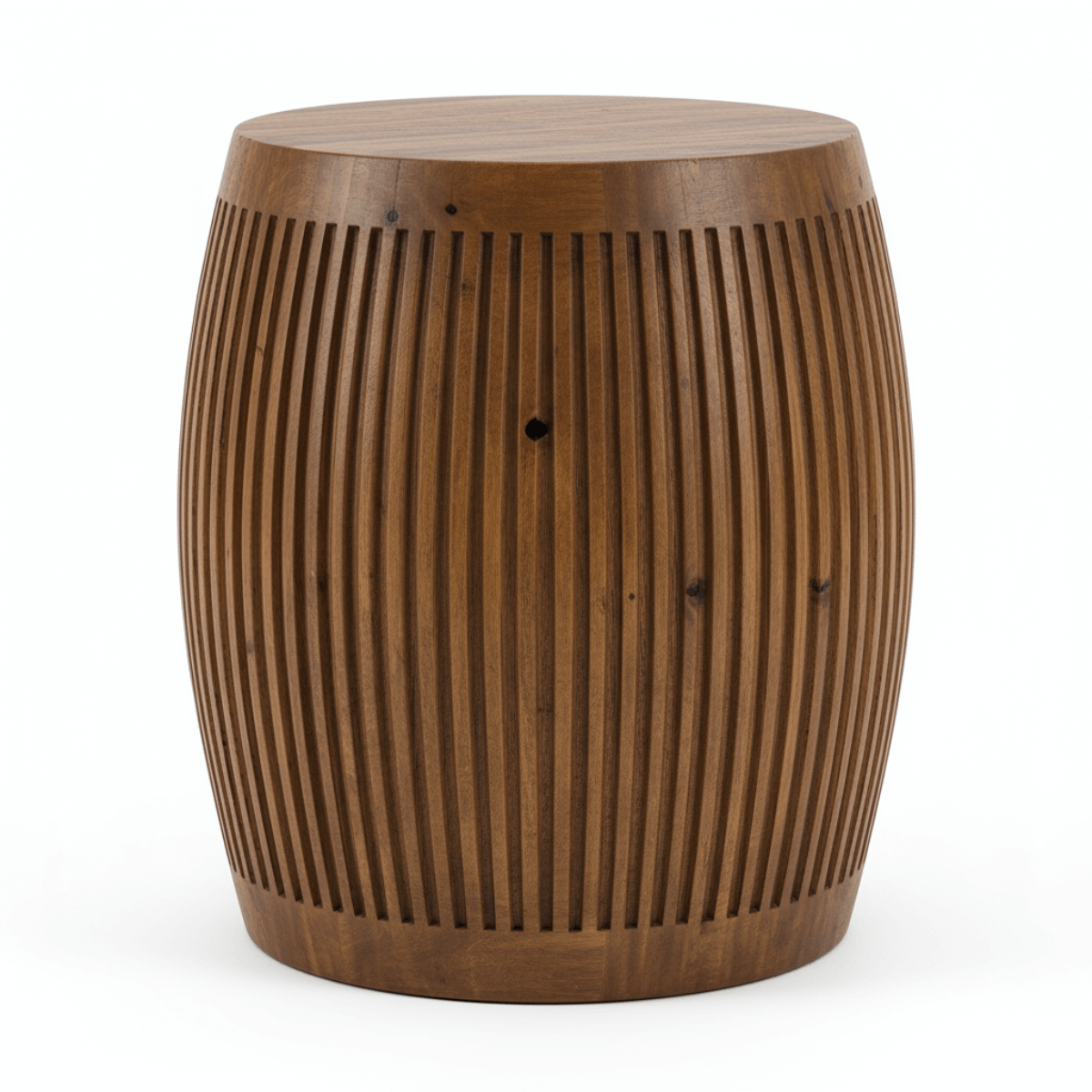
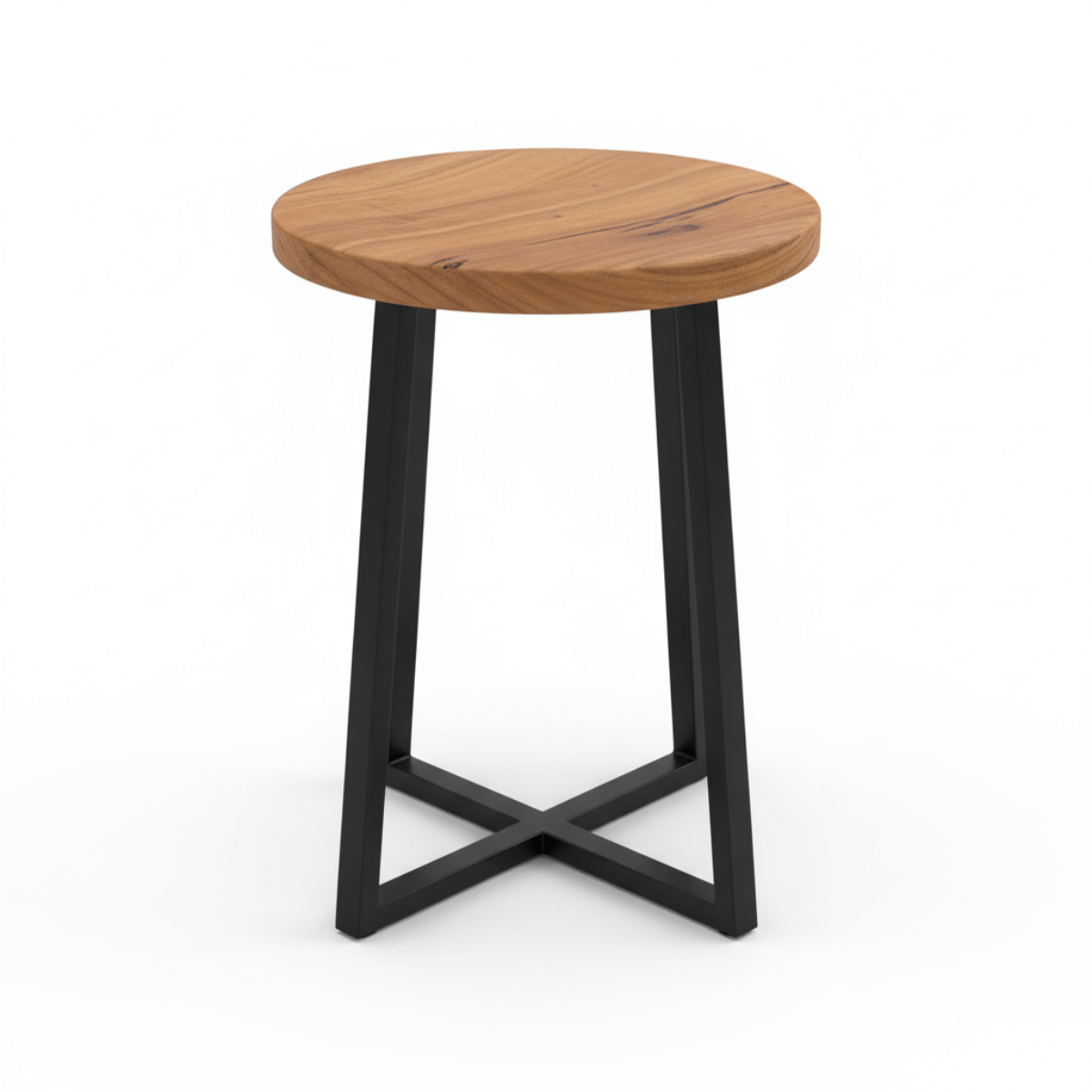
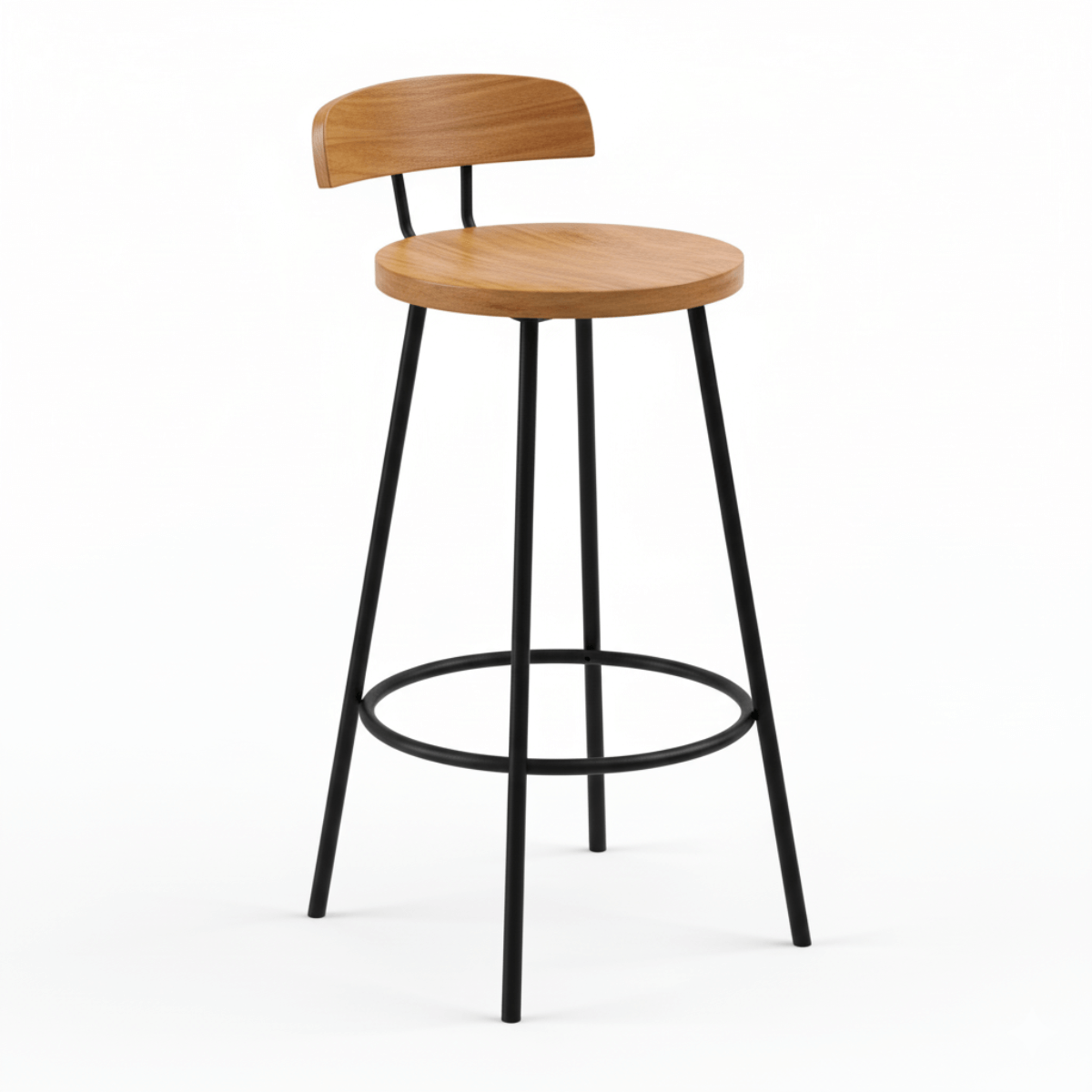


Why Investing in Solid Wood Furniture Pays Off
When it comes to furnishing a home, most people try to strike the right balance between price, durability, and long-term value. Today’s market is full of options — engineered wood, laminates, MDF, veneers, and more — but one material continues to stand out above the rest: solid wood furniture. While it may come with a higher price tag upfront, solid wood consistently proves to be the better long-term investment for homeowners who value style, longevity, sustainability, and true craftsmanship.
In this detailed guide, we unpack why solid wood furniture is worth it, how it compares to engineered alternatives, and what makes it one of the smartest investments you can make for your home.
1. The Higher Upfront Cost Actually Saves You Money Long-Term
A common question buyers ask is: “Is solid wood furniture worth it?” The honest answer is yes — because it outlives nearly every other furniture material.
Engineered wood furniture often looks appealing at first and may cost significantly less, but it typically lasts only a few years before showing signs of damage:
- Swelling or warping
- Loose joints
- Peeling laminate
- Weak shelves
- Lower weight-bearing capacity
Solid wood, on the other hand, is built for decades — sometimes even generations. A well-crafted solid wood table or wardrobe doesn’t just survive daily wear; it ages gracefully.
When you spread the cost over 20–30 years, solid wood is actually more economical than buying cheap furniture that needs replacement every 2–4 years.
2. Durability That Outperforms Every Other Material
One of the biggest advantages of solid wood furniture is its sheer strength. Natural wood fibers make it dense and sturdy, giving it a high load-bearing capacity and resistance against structural issues.
Key durability benefits include:
- High weight support: Perfect for beds, dining tables, and storage units.
- Resistance to sagging: Wooden shelves stay strong even under heavy loads.
- Better assembly and joinery: Skilled craftsmen use strong joints like dovetail and mortise–tenon.
- Less prone to damage: Scratches can be fixed; chips and laminate cracks cannot.
This incredible lifespan is the reason solid wood pieces often become family heirlooms, passed down through generations.
3. Solid Wood Appreciates in Value — Engineered Wood Depreciates
Unlike mass-produced furniture made from particleboard or MDF, solid wood furniture actually gains character and value over time.
Here’s why:
- Timeless appearance: Real wood grains, textures, and natural patterns never go out of style. Engineered furniture looks modern for a short period, but trends change — quality doesn’t.
- Vintage appeal: Older wooden pieces often develop a beautiful patina. This increases their value, especially for antique or handcrafted designs.
- Strong resale market: Pre-owned solid wood furniture sells quickly because buyers know it lasts long. Engineered wood furniture, however, has almost no resale value.
Customizability adds long-term utility
Solid wood can be:
- Re-stained
- Re-polished
- Repainted
- Repaired
- Resized
Which means it adapts to evolving interior styles.
4. Solid Wood vs Engineered Wood — Clear Winner for Long-Term Use
Modern homes often use a combination of materials, but for investment pieces, the comparison below shows why solid wood is the superior choice.
| Feature | Solid Wood | Engineered Wood (MDF/Particleboard) |
|---|---|---|
| Lifespan | 20–50+ years | 2–5 years |
| Strength | Very strong | Moderately weak |
| Repairs | Easily repairable | Hardly repairable |
| Appearance | Unique grains; timeless | Repetitive, synthetic look |
| Moisture Resistance | Moderate | Very low (swells easily) |
| Price | Higher upfront | Cheap initially |
| Eco-Friendliness | Natural & sustainable | Often uses adhesives & chemicals |
If you are choosing key pieces such as a solid wood dining table, bed frame, wardrobe, or TV unit, solid wood clearly offers better value and reliability.
5. Environmentally Friendly & Sustainable Choice
Solid wood furniture is often sourced from sustainable forests and has a significantly lower environmental impact compared to engineered materials.
Eco-benefits include:
- Longer lifespan → fewer replacements → reduced waste
- Lower chemical usage
- Biodegradable
- Can be recycled or repurposed
- Less energy-intensive production
For eco-conscious homeowners, this alone makes solid wood furniture a smart investment.
6. Easy Maintenance That Keeps It Looking New for Decades
Some people assume solid wood requires high maintenance, but the reality is the opposite.
Simple care tips:
- Dust regularly
- Use coasters and mats
- Avoid direct harsh sunlight
- Wipe spills quickly
- Apply polish or oil every 6–12 months
The biggest advantage?
Most scratches, stains, and marks can be repaired — unlike engineered wood furniture.
A quick sanding and refinishing session can restore a 10-year-old table to look completely new. This ability to self-repair is a major reason solid wood lasts so long.
7. Better Aesthetics and Natural Appeal for Any Home
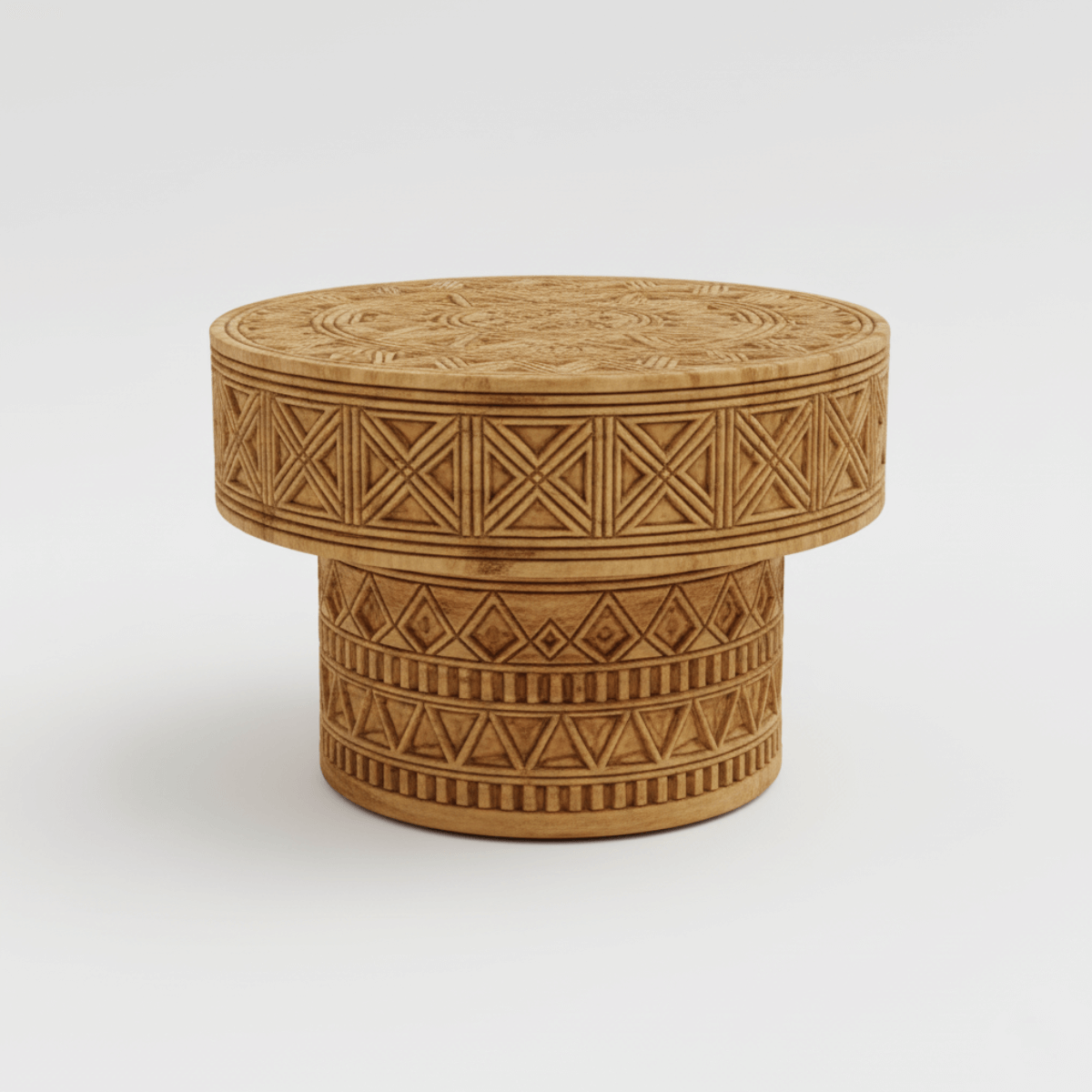
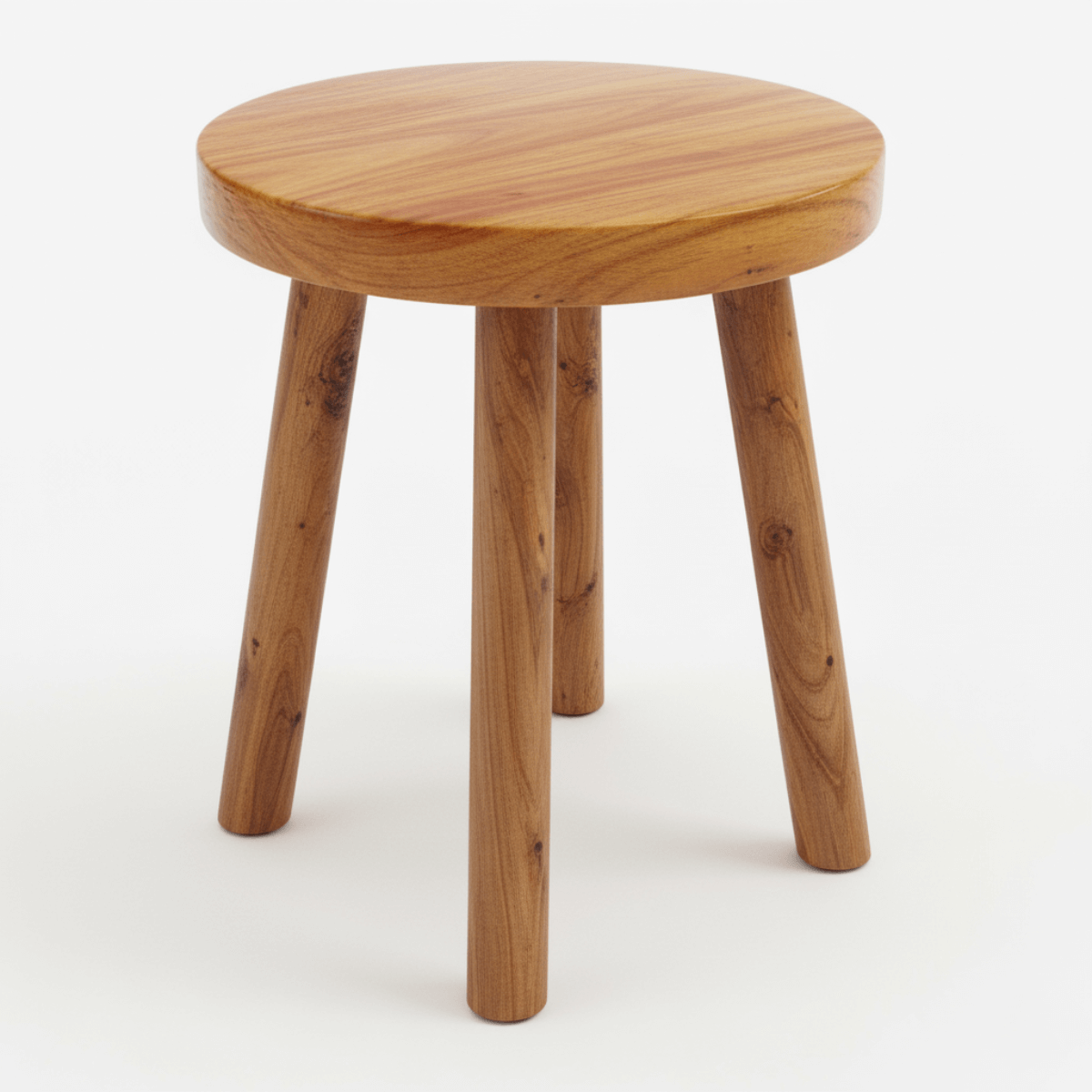
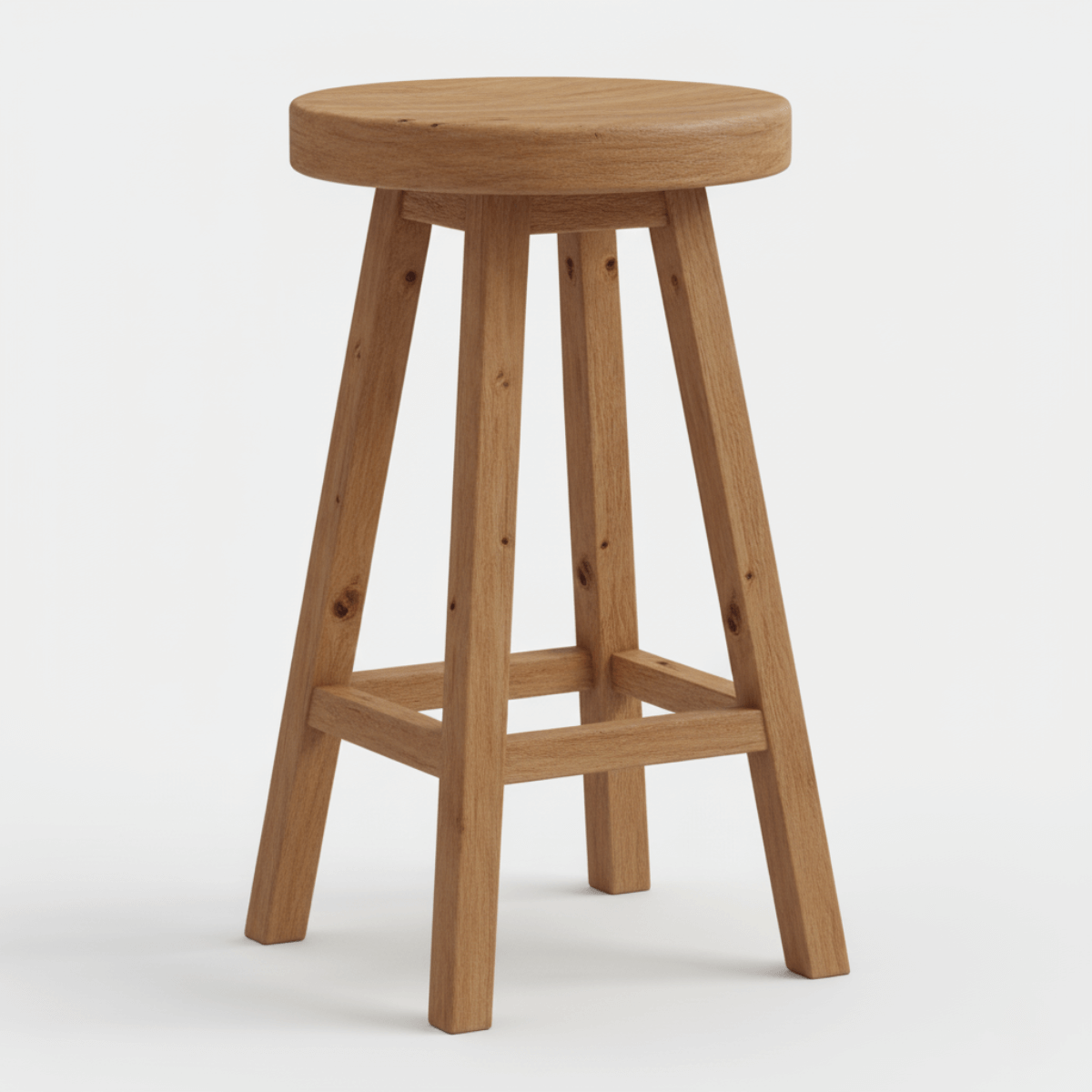
No material can match the warmth and richness of genuine wood. The natural grains, knots, and patterns add personality to every room.
Why it looks better:
- Naturally warm tones
- Luxurious feel
- Works with every interior style — modern, rustic, vintage, minimal, traditional
- Ages beautifully with a deeper color over time
Engineered wood tries to mimic this, but the difference is visible immediately.
8. A Great Investment for Key Home Furniture Pieces
If you’re wondering whether solid wood is worth buying for every piece — the answer depends on usage.
Best investments include:
- Dining tables
- Beds and bed frames
- Wardrobes
- TV units
- Coffee tables
- Study tables
- Sideboards
- Bookshelves
These are high-usage items, so investing in solid wood ensures durability and long-term savings.
9. What to Look for When Buying Solid Wood Furniture
To ensure you’re buying high-quality pieces, check:
- Type of wood: Hardwoods like acacia, teak, sheesham, and oak offer excellent durability.
- Joint construction: Look for dovetail, finger joints, and mortise–tenon — signs of good craftsmanship.
- Finish quality: A smooth, even, non-toxic finish enhances durability.
- Weight: Solid wood pieces feel heavier compared to hollow or engineered frames.
- Brand credibility: Choose a manufacturer known for carpentry skill and ethical sourcing.
Final Thoughts: Solid Wood Furniture Truly Pays Off
Choosing solid wood furniture is not just a purchase — it’s an investment in quality, durability, and long-term value. Unlike engineered wood pieces that wear out quickly, solid wood grows more beautiful with time, offers repairability, and retains or even increases its value.
For homeowners who want furniture that lasts, looks premium, and reduces future replacement costs, solid wood is the smartest choice you can make.