

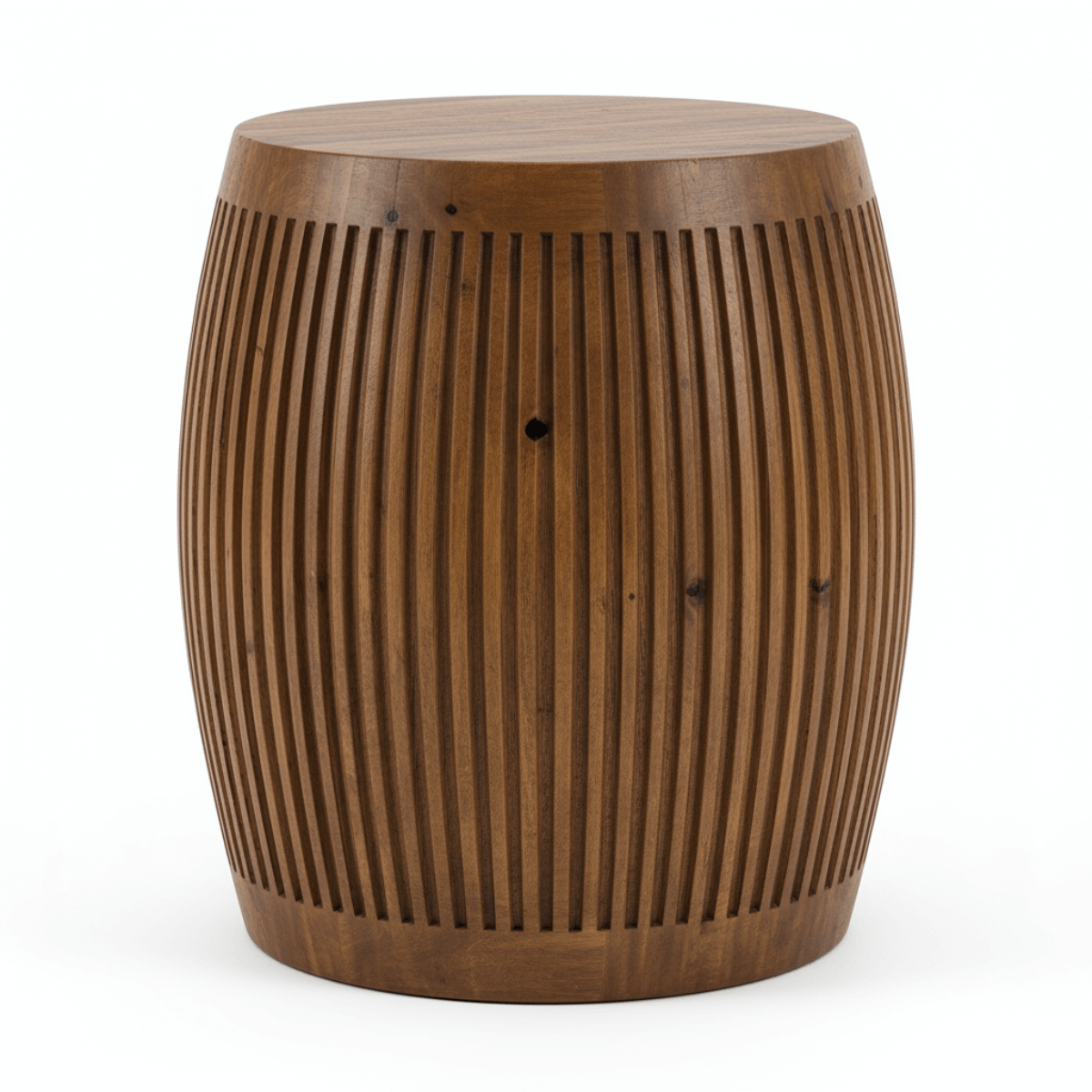
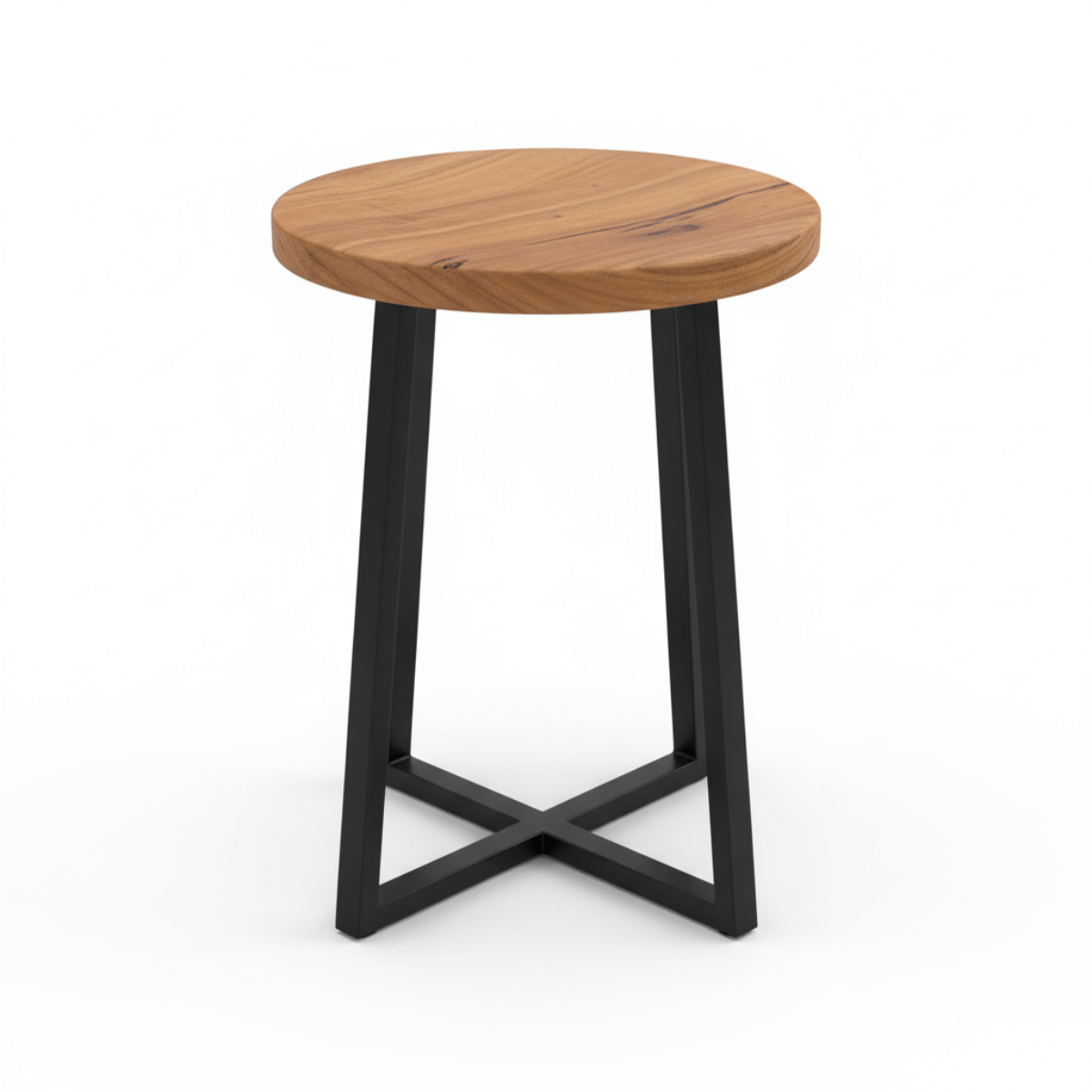
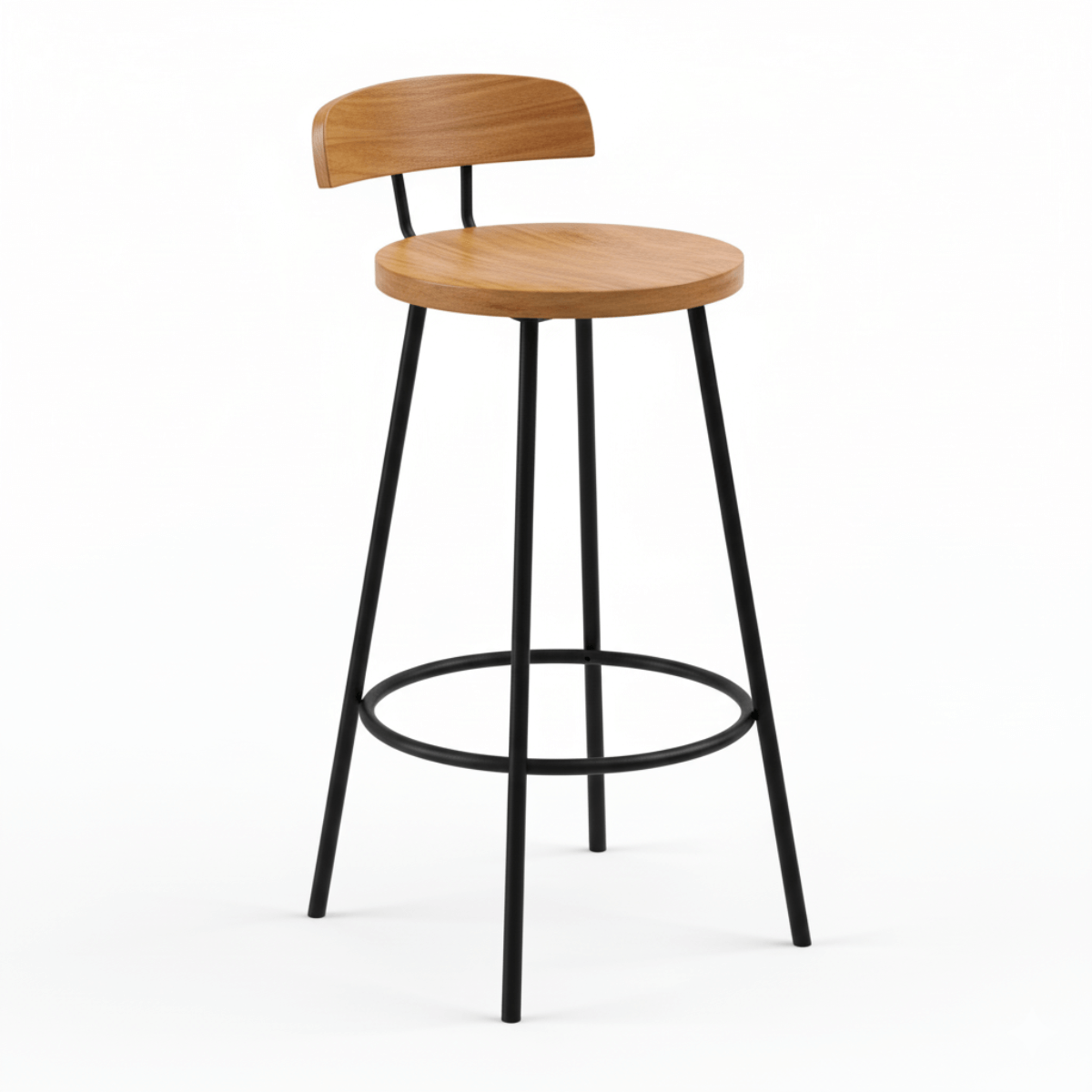


When shopping for new furniture or refinishing old pieces, the type of finish you select can dramatically change the look and lifespan of your furniture. Finishes don’t just add style—they influence durability, texture, shine, and how easily the surface can be cleaned. Understanding the main furniture finish types helps you choose pieces that complement your home while standing up to daily use.
What Are Furniture Finish Types?
Furniture finishes are protective and decorative coatings applied to wood and other materials. They can highlight natural grain, add texture, increase shine, or create a vintage effect. From smooth matte surfaces to high-gloss shine or weathered character, each finish offers a different personality. Knowing the distinctions helps you pick the right style for your space.
Matte Finish Furniture
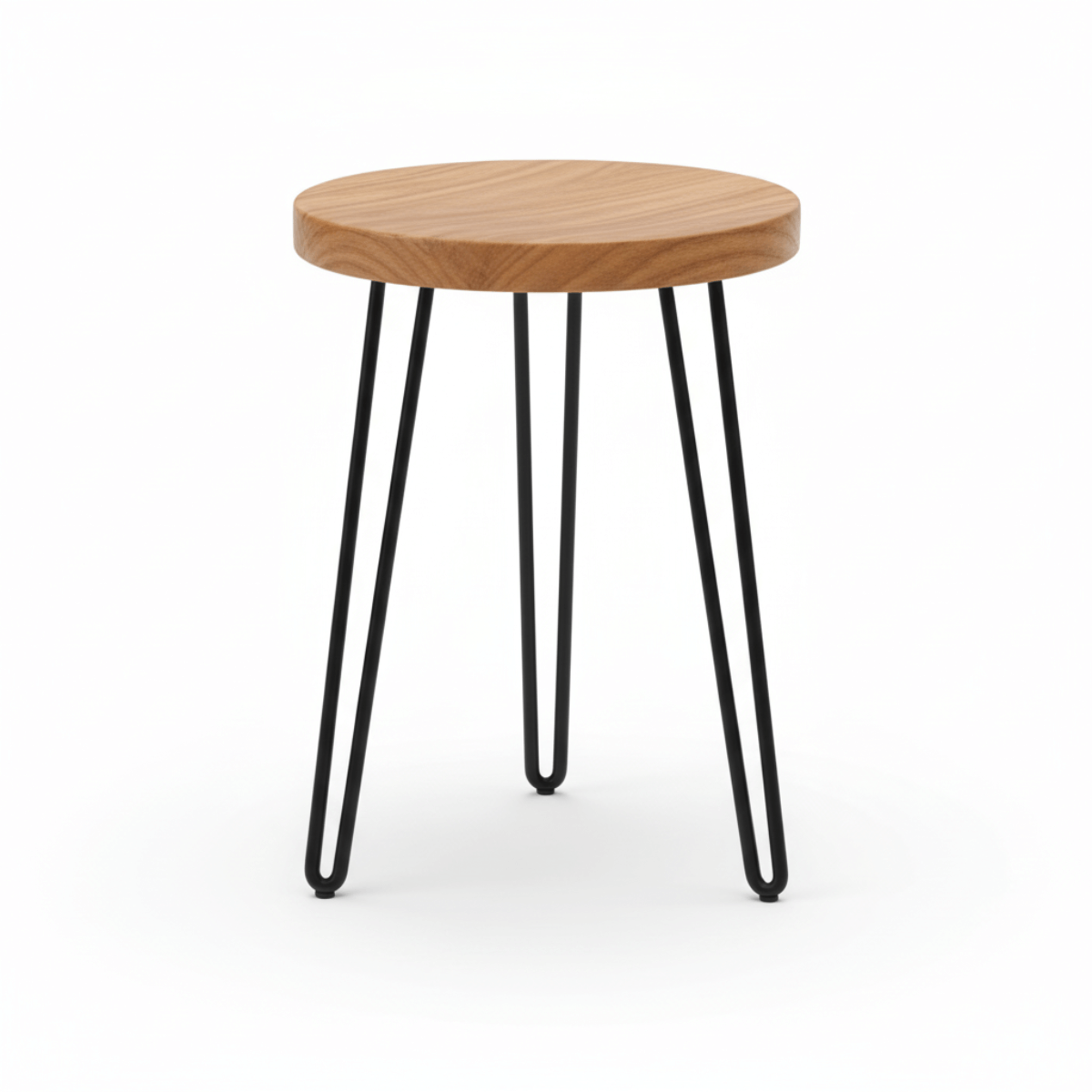
A matte finish is loved for its soft, non-reflective appearance. It offers a modern and understated aesthetic, making it ideal for contemporary or minimalist interiors. Because matte finishes absorb light instead of reflecting it, they create a smooth and sophisticated look.
Pros:
- Hides fingerprints, dust, and minor scratches
- Gives furniture a natural and elegant appearance
- Works well with a wide range of woods and colors
Cons:
- Not as easy to clean as glossy surfaces
- May show stains if spills aren’t wiped promptly
Best Use Cases:
Matte finish furniture is perfect for bedrooms, offices, and living rooms where you want a calm, subtle style. It pairs beautifully with neutral tones, soft textures, and modern decor themes.
Glossy Furniture Finish
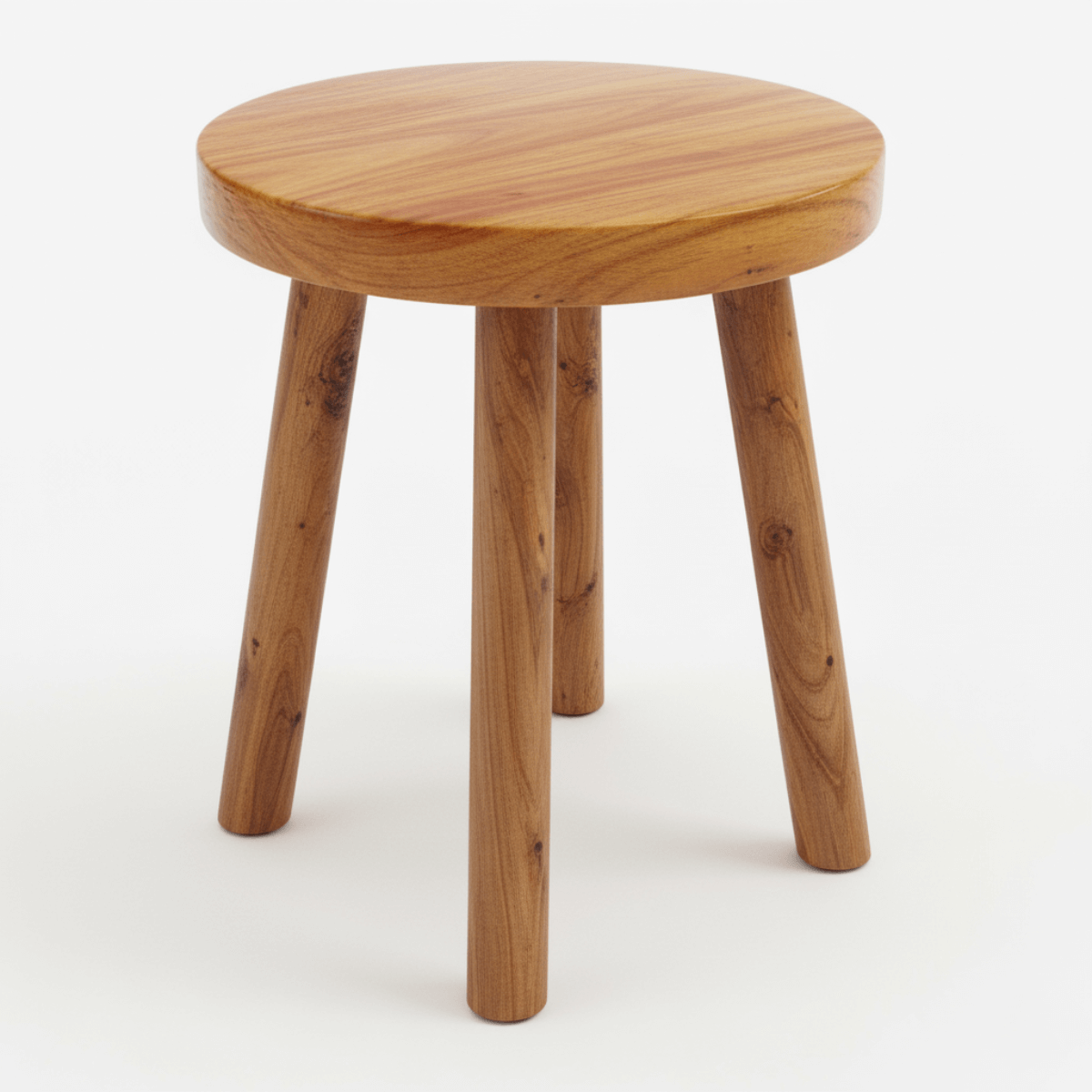
A glossy furniture finish reflects light strongly, creating a shiny and polished surface. It instantly adds glamour and a sense of luxury to any piece. Glossy finishes are popular for modern, contemporary, and high-end spaces.
Pros:
- Extremely easy to clean
- Resistant to stains
- Adds a sense of brightness, especially in smaller rooms
Cons:
- Shows fingerprints, smudges, and scratches more easily
- Can appear overly reflective if used on large surfaces
Best Use Cases:
Glossy finishes work well on dining tables, cabinets, and accent pieces. They are great for spaces with good lighting and for homeowners who love bold, sleek designs. If you want a dramatic contrast, pair glossy pieces with matte walls or textured fabrics.
Distressed Furniture Finish
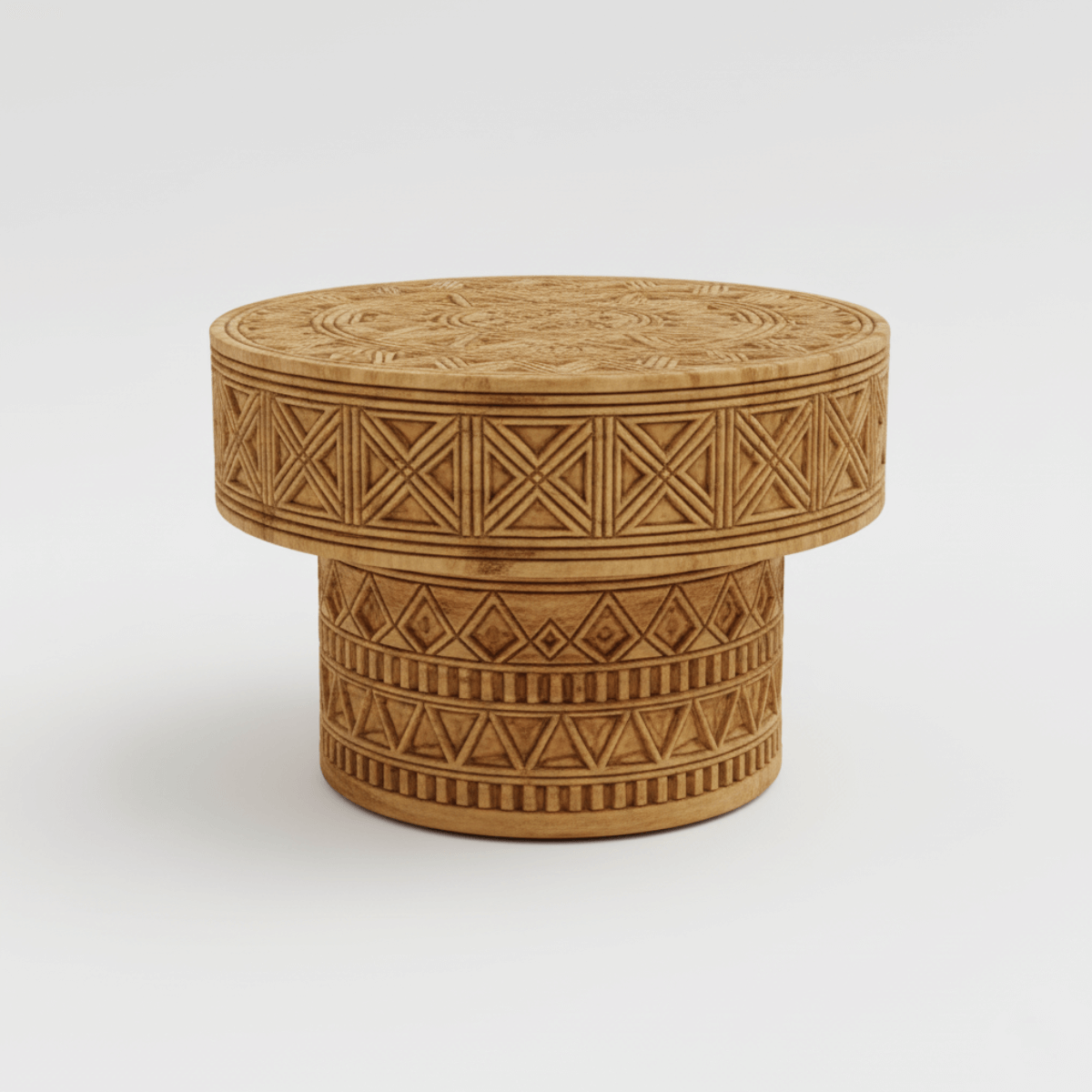
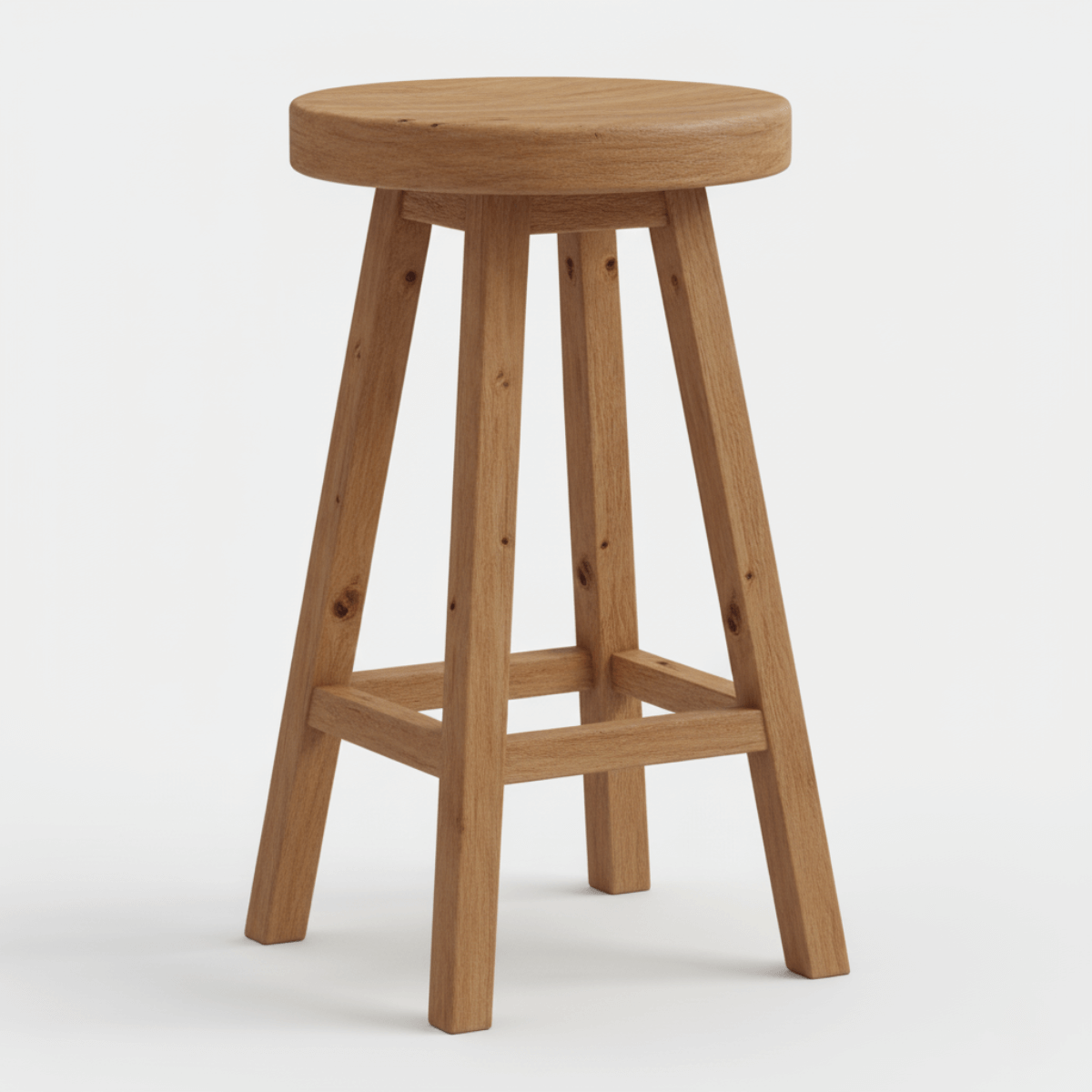
A distressed furniture finish is designed to look aged or weathered. It’s a popular choice for rustic, farmhouse, vintage, or shabby-chic interiors. Distressing techniques may include sanding, scraping, layering paint, or intentionally adding imperfections.
Pros:
- Adds charm, character, and a handcrafted look
- Imperfections blend naturally into the design
- Works well for upcycled or repurposed furniture
Cons:
- Not ideal for modern or minimalistic décor
- May require more maintenance to keep the aged look consistent
Best Use Cases:
Distressed finishes shine in cozy environments like cottages, bohemian interiors, or farmhouse-style homes. They work beautifully on dressers, coffee tables, and shelves where an antique feel is desired.
Matte vs Glossy vs Distressed: What’s the Difference?
Choosing between matte, glossy, and distressed finishes depends on the atmosphere you want to create.
Aesthetic:
- Matte gives a subtle and warm look.
- Glossy offers brightness and sleekness.
- Distressed adds rustic charm and vintage appeal.
Maintenance:
- Glossy is easiest to clean but shows marks.
- Matte hides smudges but needs gentle cleaning.
- Distressed hides wear but may need special care to maintain its aged effect.
Design Compatibility:
- Matte suits modern and minimalist designs.
- Glossy suits contemporary or luxurious interiors.
- Distressed suits rustic and vintage settings.
Understanding these differences makes it easier to match the finish with your home’s overall theme.
How to Choose the Right Furniture Finish
When deciding the best finish for wooden furniture, consider these factors:
-
Room Lighting
Glossy finishes brighten dim spaces, while matte surfaces soften well-lit areas. -
Usage & Durability
Busy households may prefer finishes that hide scratches or clean easily. -
Design Style
Think about whether you prefer modern minimalism, classic elegance, or a lived-in vintage look. -
Color and Wood Type
Matte enhances natural grain, glossy adds depth to bold colors, and distressed works best with lighter or layered paints. -
Personal Preference
The right finish should make your furniture feel like part of your lifestyle.
Final Thoughts
Understanding different furniture finish types—matte, glossy, and distressed—helps you select pieces that fit your style, function well in your home, and stand the test of time. Whether you prefer sleek shine, soft elegance, or antique character, the right finish can transform your furniture and elevate your entire space.