

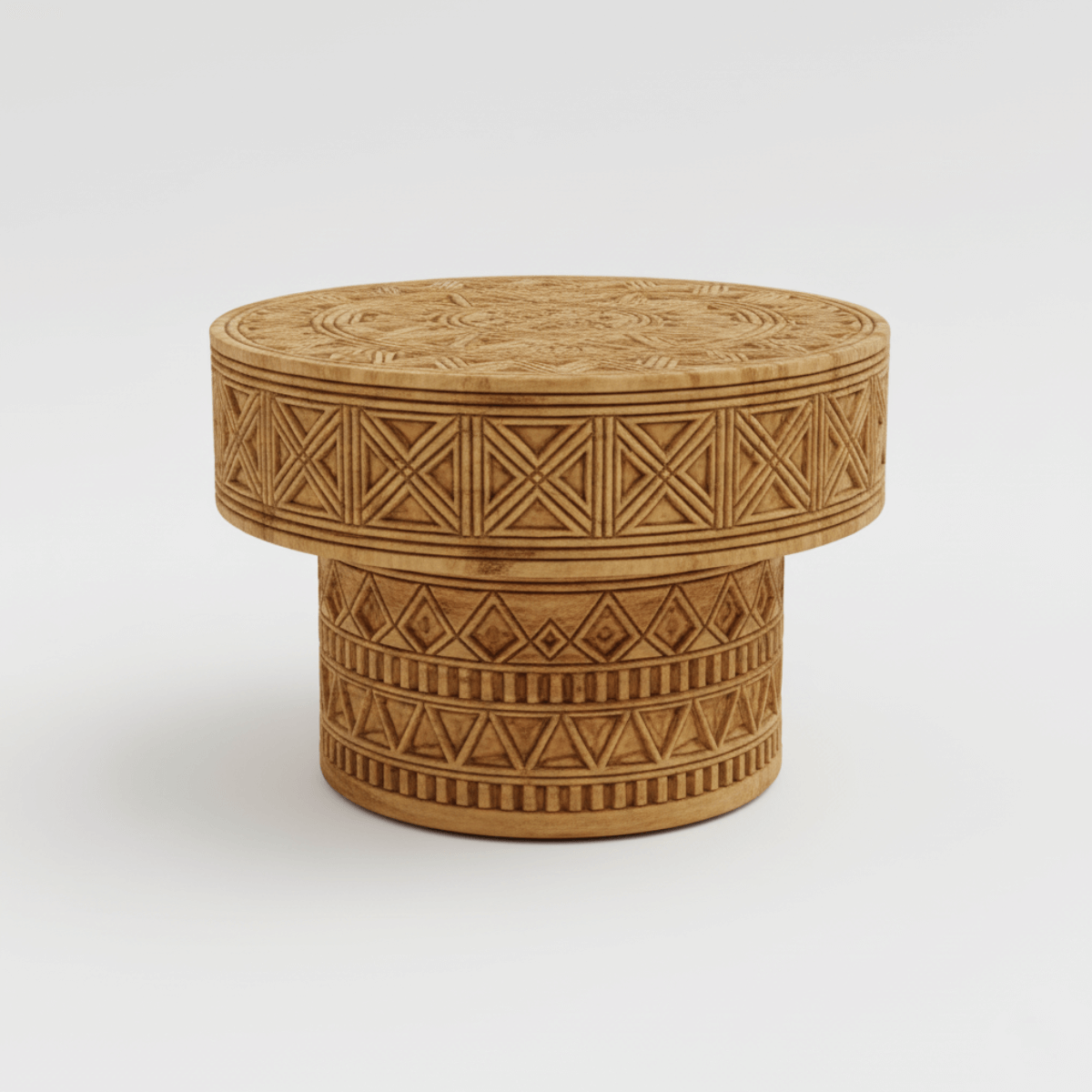
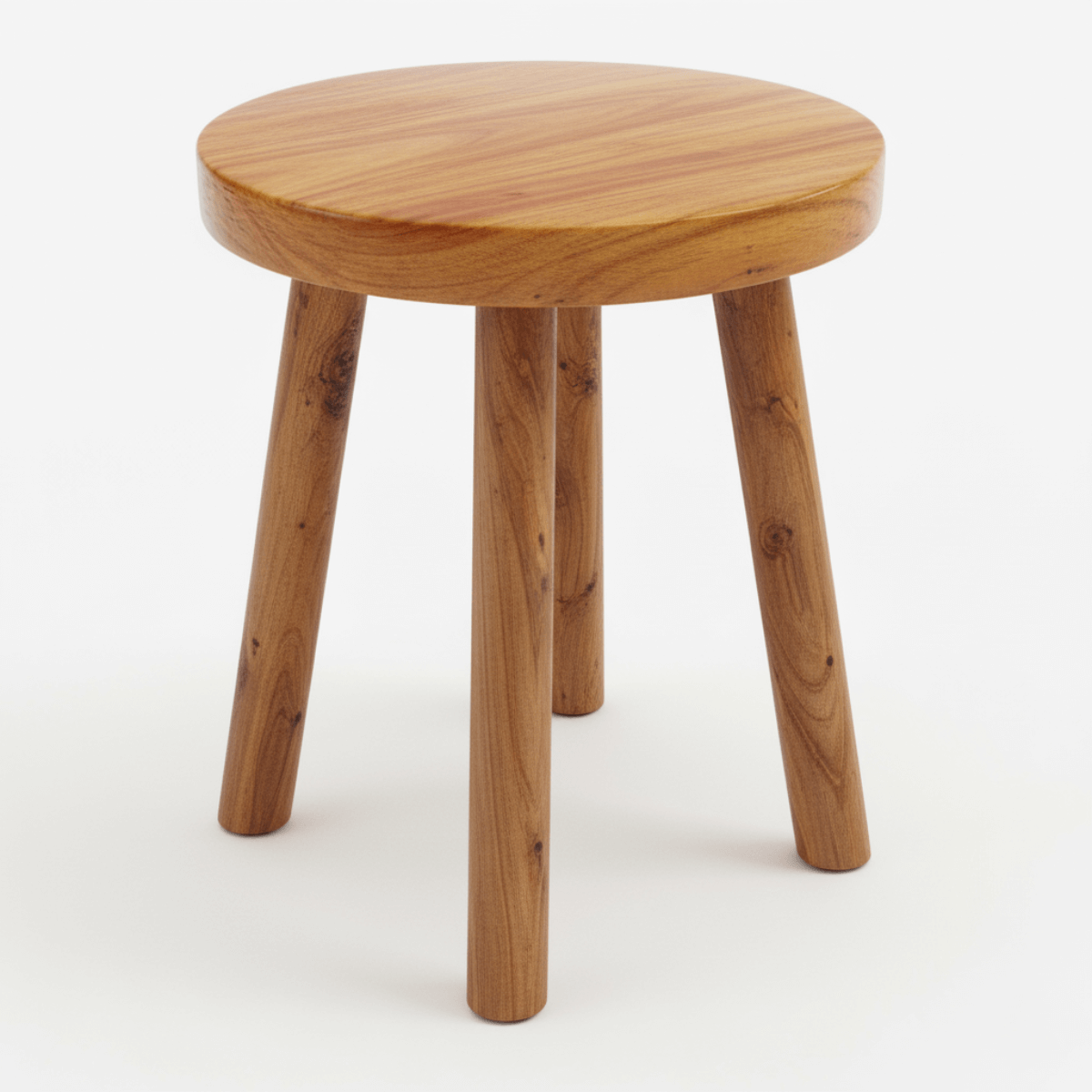
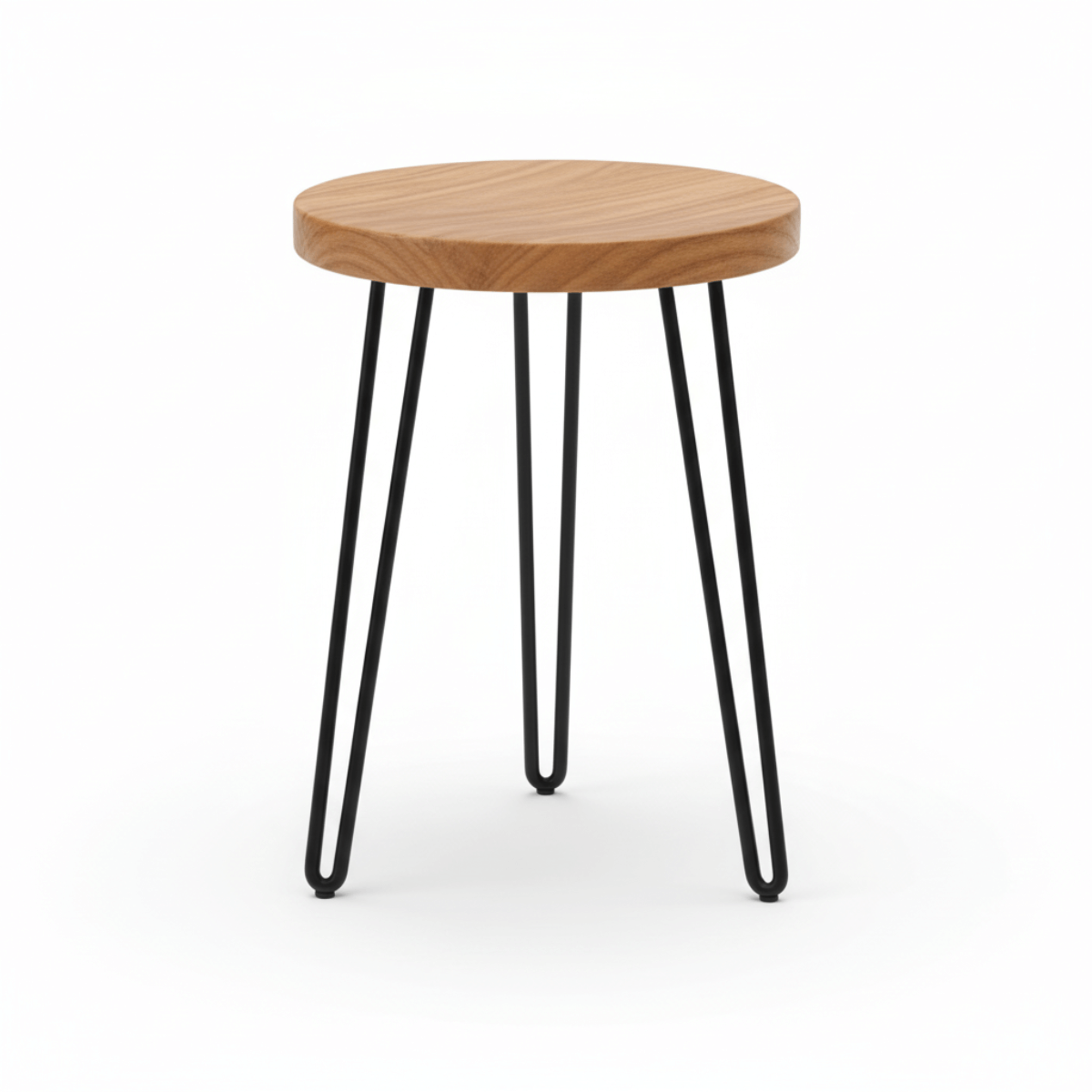
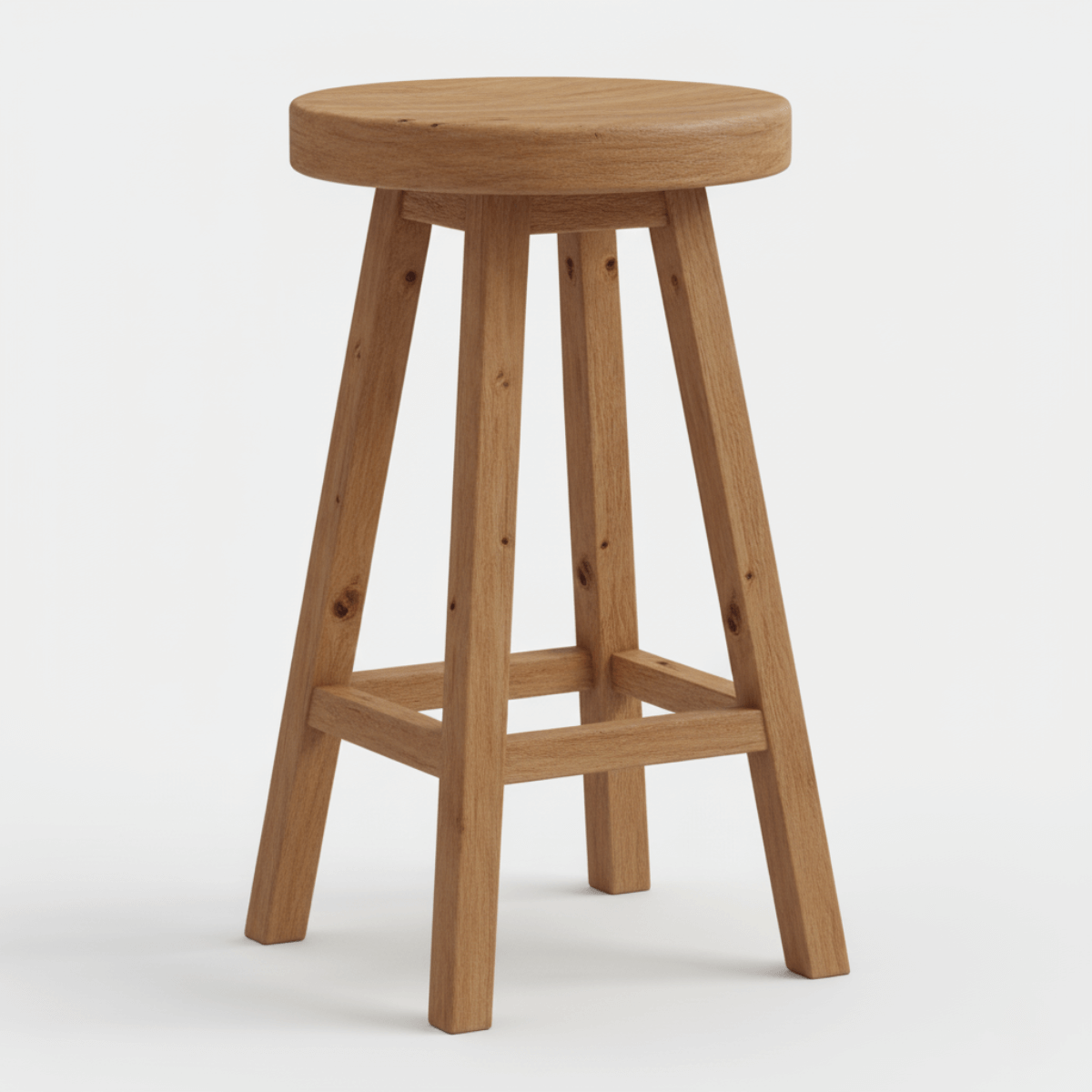
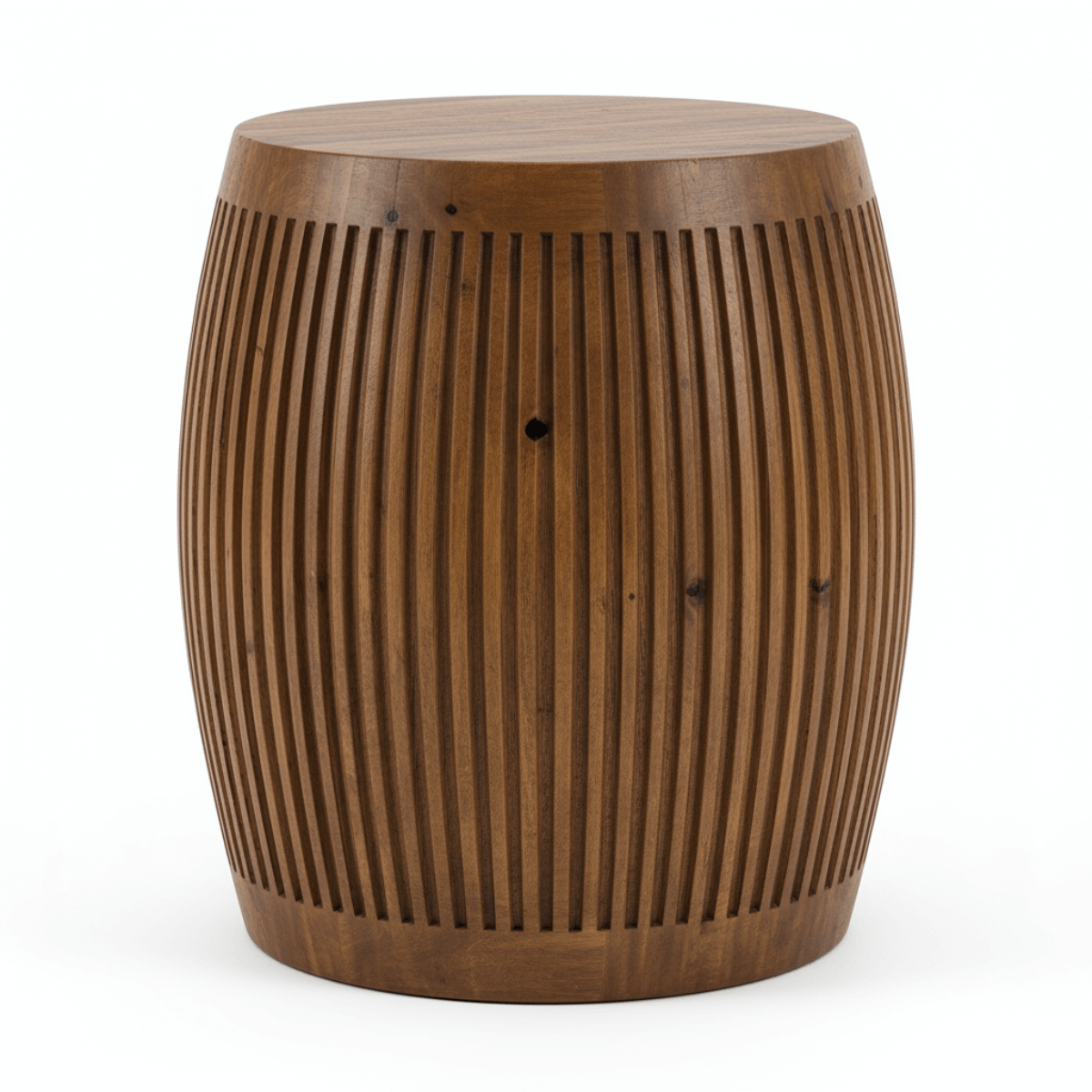
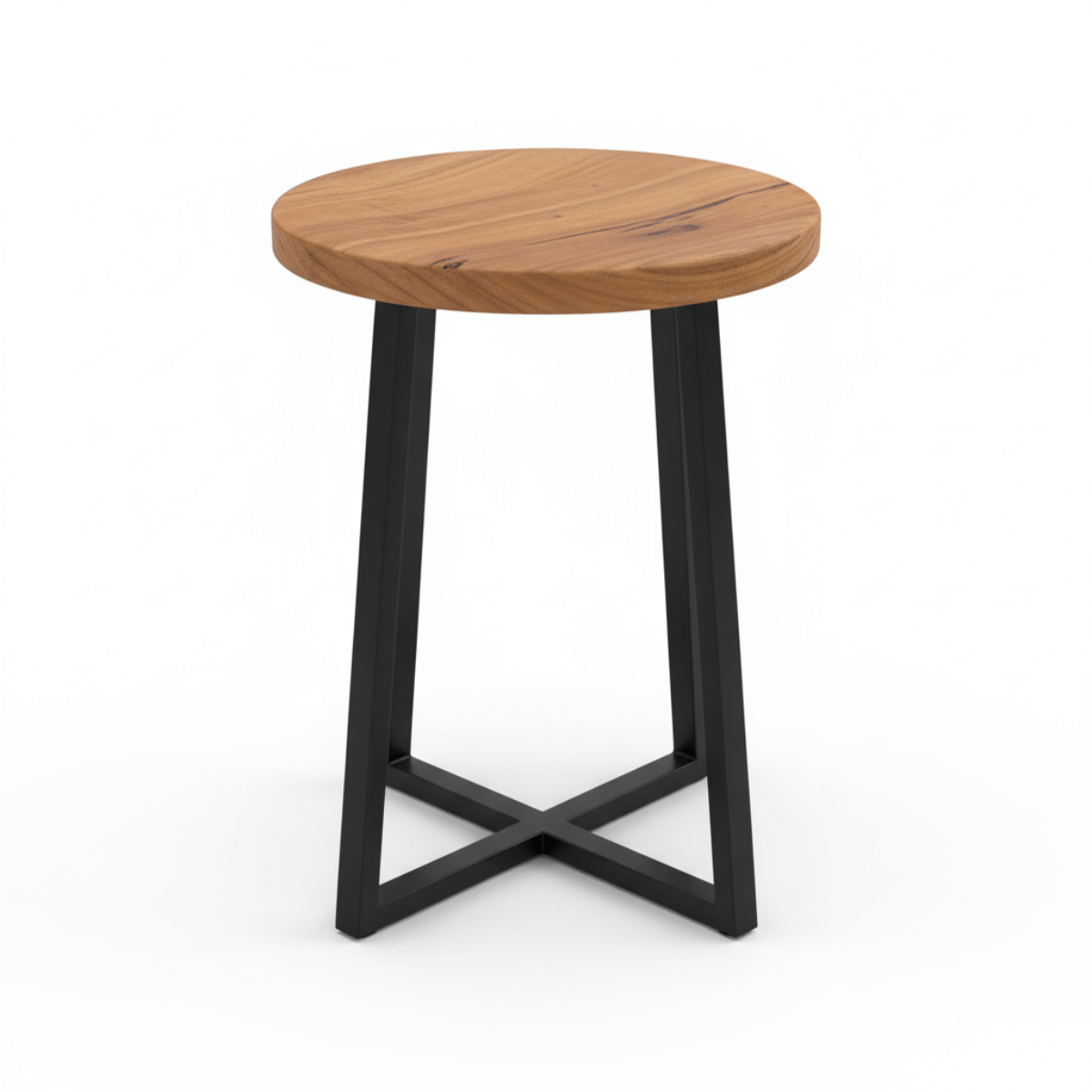
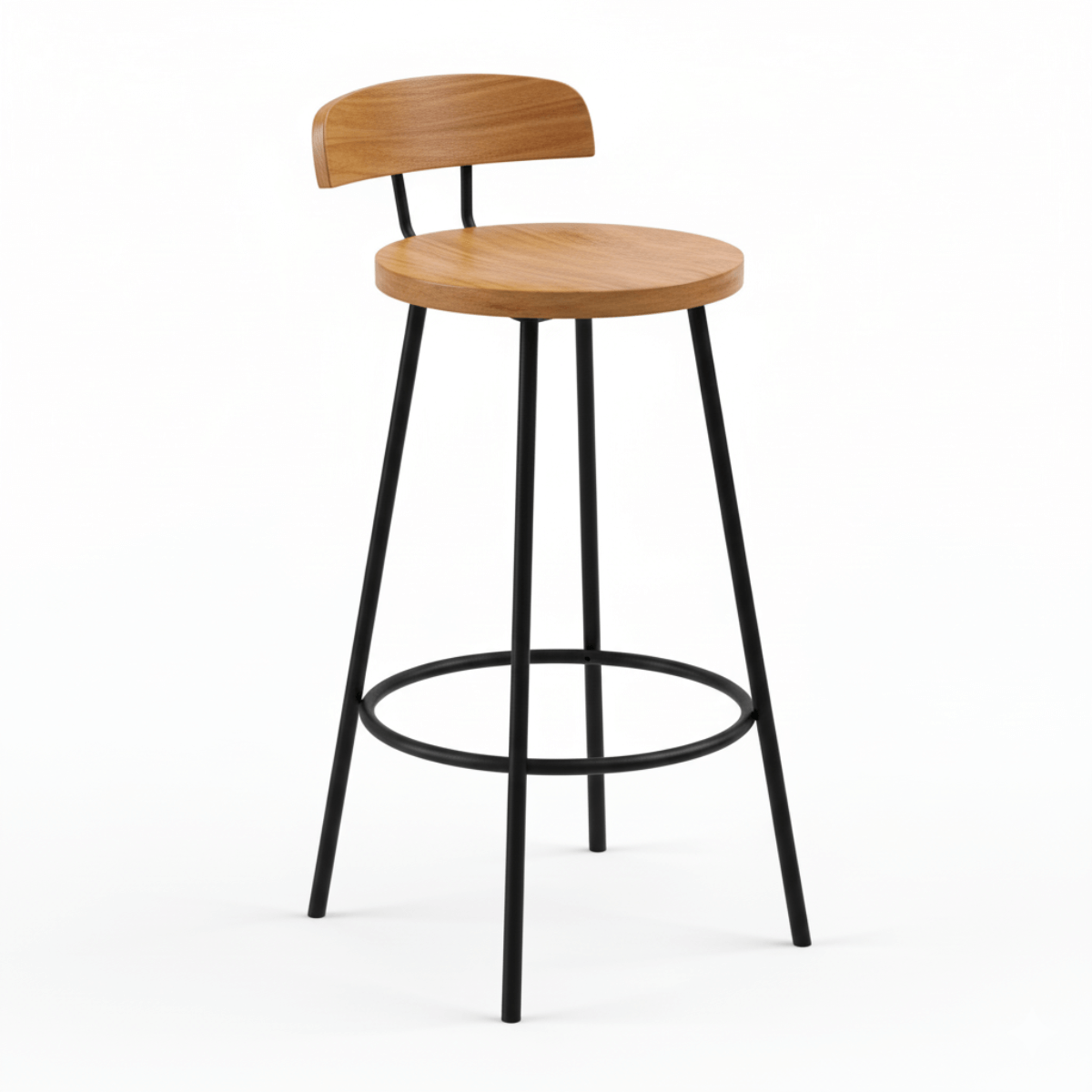


If you're a furniture wholesaler, retail chain buyer, hotel procurement manager, or private label brand sourcing container loads for the US, UK, Netherlands, or Canadian market, you already know that importing furniture from India is one of the strongest value propositions in global trade. India, and specifically the Jodhpur furniture cluster in Rajasthan, has been producing and exporting solid wood furniture for over four decades. What was once a cottage industry has evolved into a highly organised manufacturing ecosystem capable of delivering 40-foot containers of custom, solid wood furniture to ports in Los Angeles, Felixstowe, Rotterdam, and Vancouver.
This guide is not for casual buyers browsing online marketplaces. It is written for serious B2B buyers — experienced importers placing recurring container orders, first-time buyers taking their first full container load (FCL), hotel chains procuring FF&E at scale, and brand owners who want private label furniture manufactured to their specifications in India. We cover everything: container planning, import duties by country, required documentation, quality control, lead times, and the questions you must ask before placing an order with any Indian furniture manufacturer.
Why Import Furniture from India? The Commercial Case
India's competitiveness in furniture export is structural, not cyclical. Here is why experienced buyers keep coming back:
- Labour cost advantage: Skilled carpentry labour in India costs a fraction of equivalent labour in the US, EU, or even Vietnam or Malaysia. This is particularly relevant for hand-carved, joinery-intensive, or solid wood pieces where labour cost is the dominant driver.
- Wood species diversity: Indian manufacturers work extensively with mango wood, teak, sheesham (Indian rosewood), reclaimed wood, acacia, and pine. Each offers different price points, grain characteristics, and sustainability credentials. Jodhpur manufacturers in particular have deep expertise in mango and reclaimed wood furniture.
- Customisation capability: Unlike bulk-production factories in China or Vietnam, Indian workshops in Jodhpur are structured for bespoke production. Custom dimensions, custom finishes, custom hardware, and private label requirements are handled with relative ease at container-load MOQs.
- Direct manufacturer access: India's furniture export ecosystem is largely manufacturer-direct. You are buying from the factory, not a trading company adding a 15-25% margin. This has significant implications for price, quality accountability, and customisation latitude.
- CETA, UK-India FTA developments, and GSP benefits: Depending on origin rules, Indian furniture exported to Canada benefits from CETA-adjacent arrangements, and UK buyers have been watching the UK-India FTA closely for potential duty reductions. For US buyers, Indian furniture is generally not subject to the Section 301 tariffs that have made Chinese sourcing expensive since 2018.
Types of Furniture You Can Import from India in Container Loads
The Jodhpur manufacturing cluster and broader Indian furniture export sector can supply virtually every category of solid wood furniture in commercial quantities. Common product categories ordered in FCL:
Living Room & Accent Furniture
- Solid mango wood sideboards, media units, TV consoles
- Reclaimed wood coffee tables and console tables
- Teak and sheesham wood bookcases and display cabinets
- Hand-carved accent chairs and benches
Bedroom Furniture
- Solid wood bed frames (King, Queen, Super King) with custom headboard options
- Chest of drawers, tallboys, wardrobes in various wood species
- Bedside tables, dressing tables
Dining Room Furniture
- Solid wood dining tables (extending, fixed, trestle, farmhouse styles)
- Dining chairs — upholstered and non-upholstered
- Bar cabinets, wine racks, sideboards
Hotel & Hospitality FF&E
For hotel furniture procurement managers, India offers strong capacity in: guestroom case goods (wardrobes, dressers, bedside tables, minibar units), lobby and lounge seating, restaurant and banqueting furniture, and outdoor/poolside teak furniture. A hotel furniture manufacturer in India with export experience understands the specific requirements: commercial-grade construction, flame retardant fabric options, room-by-room packing, and compliance documentation for US AHJ or UK fire regulations.
Outdoor & Garden Furniture
- Teak garden sets, sun loungers, Adirondack chairs
- Acacia and eucalyptus outdoor dining furniture
Minimum Order Quantity & Container Planning
One of the first questions every new buyer asks is: what is the minimum order? The honest answer from a manufacturer's perspective is: it depends on the complexity of the product and whether you are ordering stock lines or custom pieces. Here is how it typically works in practice:
|
Container Type |
Volume (CBM) |
Typical Furniture Mix |
Approx. Pieces |
|
20ft FCL |
25–28 CBM usable |
Bedroom set + dining set + accent pieces |
80–150 pieces depending on size |
|
40ft FCL |
55–60 CBM usable |
Full range across categories |
200–350 pieces depending on size |
|
40ft HC (High Cube) |
65–68 CBM usable |
Preferred for tall furniture, wardrobes, bed frames |
220–380 pieces depending on size |
For custom or private label orders, most serious Indian furniture manufacturers will work with a minimum of one 20ft container per SKU grouping, or a minimum invoice value of USD 15,000–20,000 for a mixed 20ft container. For hospitality buyers procuring for a specific project (hotel opening, resort refurbishment), manufacturers will typically produce to your room count and FF&E schedule regardless of whether it fills a standard container — though FCL is always preferred from a unit-cost perspective.
Container load planning is a skill. Work with your manufacturer to get a CBM estimate per SKU. Disassembled flatpack furniture significantly increases container utilisation; solid assembled pieces reduce it. A good exporter will provide a pro-forma packing list with CBM per carton and a container load plan before production begins.
How Container Shipping Works for Importing Furniture from India — FCL vs LCL
Understanding your shipping options is fundamental to your cost model.
Full Container Load (FCL)
FCL means you book an entire container — 20ft, 40ft, or 40ft HC — exclusively for your cargo. This is by far the most common and preferred method for B2B furniture importers. The benefits are straightforward: lower per-unit freight cost, lower handling risk (your goods are not co-loaded with others), and simpler customs clearance. For a 40ft container of mixed solid wood furniture shipped FOB Nhava Sheva (Mumbai) or Mundra port, you are looking at ocean freight rates to US East Coast ports of USD 2,500–4,500, UK (Felixstowe) of approximately USD 1,800–3,200, Rotterdam of USD 1,600–3,000, and Vancouver of USD 2,200–3,800. Rates fluctuate significantly based on market conditions — always get live quotes.
Less than Container Load (LCL)
LCL is used when your order volume does not fill a full container. Your goods are consolidated with other shippers' cargo. While the per-CBM cost is lower than FCL at small volumes, LCL involves more handling, higher damage risk for furniture, and slower transit due to consolidation and deconsolidation. Most experienced furniture importers graduate from LCL to FCL quickly. If you are placing your first-ever trial order from a new manufacturer, LCL or a shared container arrangement may make sense — but plan to move to FCL for recurring orders.
Incoterms for Furniture Imports from India
- FOB (Free on Board): Manufacturer delivers to the named Indian port. You arrange and pay for ocean freight, insurance, and import clearance. Most commonly used by experienced importers.
- CIF (Cost, Insurance, Freight): Manufacturer arranges and pays for ocean freight and insurance to the destination port. You handle import clearance. Convenient for first-time buyers but you lose freight rate visibility.
- Ex-Works: You arrange everything from the factory gate. Rarely used for B2B furniture imports; use FOB instead.
Required Documents for US, UK, Netherlands & Canada — Furniture Import
Documentation requirements vary by country but there is a common baseline that all serious exporters should provide without being asked. Below is a market-by-market breakdown.
United States
|
Document |
Notes |
|
Commercial Invoice |
Must include HS code, unit value, country of origin, buyer/seller details |
|
Packing List |
Carton-level breakdown: gross/net weight, CBM, marks & numbers |
|
Bill of Lading (OBL or Telex) |
Issued by shipping line; title document for goods |
|
Certificate of Origin (Form A / GSP) |
For GSP preferential duty where applicable |
|
Phytosanitary Certificate |
Mandatory for all solid wood products entering the US — issued by NPPO India (APEDA) |
|
ISPM-15 Treated Packaging Declaration |
All wood packaging must be ISPM-15 marked |
|
Customs Bond (ISF Filing) |
ISF (10+2) must be filed 24 hours before vessel departure |
|
Lacey Act Declaration |
Required for all wood products — must declare wood species and country of harvest |
United Kingdom
|
Document |
Notes |
|
Commercial Invoice |
GBP or USD valuation; include commodity code (UK Tariff) |
|
Packing List |
Standard carton-level detail |
|
Bill of Lading |
Required for customs entry |
|
UK Certificate of Origin |
Issued by authorised chamber of commerce in India |
|
Phytosanitary Certificate |
Required for solid wood furniture; APHA compliance |
|
ISPM-15 Marking |
All wood packaging/dunnage must be treated and marked |
|
UKCA / CE Marking (if applicable) |
For certain upholstered furniture: UK Fire Safety Regulations BS 5852 |
|
Import Declaration (CHIEF/CDS) |
Filed via UK CDS (Customs Declaration Service) by your UK freight agent |
Netherlands (EU)
|
Document |
Notes |
|
Commercial Invoice |
EUR valuation preferred; Incoterms clearly stated |
|
Packing List |
Standard |
|
Bill of Lading / AWB |
Standard transport document |
|
EUR.1 Movement Certificate or REX Declaration |
For preferential GSP duty rates under EU-India GSP scheme |
|
Phytosanitary Certificate |
Required for all solid wood; EU Plant Health Regulation (2016/2031) |
|
ISPM-15 Marking |
Mandatory |
|
REACH Compliance Declaration |
For finishes, lacquers, treatments — relevant for upholstered furniture too |
|
Single Administrative Document (SAD) |
Filed by your Dutch customs agent (douane) |
|
FLEGT VPA / Due Diligence |
EU Timber Regulation (EUTR) / EUDR compliance — wood species and origin traceability required |
Canada
|
Document |
Notes |
|
Commercial Invoice |
CAD or USD; country of origin declaration required |
|
Packing List |
Standard |
|
Bill of Lading |
Standard |
|
Certificate of Origin |
Issued by authorised chamber of commerce |
|
Phytosanitary Certificate |
Required for solid wood products; CFIA regulated |
|
ISPM-15 Marking |
Mandatory for wood packaging |
|
B3 Canada Customs Coding Form |
Completed by your Canadian licensed customs broker |
|
CFIA Wood Import Permit (if applicable) |
For certain regulated wood species |
Import Duties & Compliance Overview
Duty rates change and vary by HS code classification, origin claims, and applicable trade agreements. The following is a general orientation — always confirm current rates with your licensed customs broker before finalising your cost model.
|
Market |
General Duty Rate (Approximate) |
Key Notes |
|
United States |
0% – 9.6% (wooden furniture HS 9403) |
No Section 301 tariffs on Indian furniture. Most wooden furniture enters at 0% under US MFN. GSP was suspended but CBP applies MFN rates. Verify HS code. |
|
United Kingdom |
0% – 5.5% (HS 9403 wooden furniture) |
Post-Brexit UK Global Tariff applies. Wooden furniture generally 0% under UK MFN. Some upholstered seating at higher rates. UK-India FTA in negotiation — watch for changes. |
|
Netherlands / EU |
0% – 5.6% under GSP |
India benefits from EU GSP (Generalised Scheme of Preferences). Most wooden furniture at 0% with valid EUR.1 or REX declaration. EUDR compliance increasingly important from 2025. |
|
Canada |
0% – 9.5% (HS 9403) |
India not party to CETA. MFN rates apply. Wooden furniture typically 0% MFN in Canada. Confirm with CBSA HS classification. |
Important: The HS code classification of your specific furniture determines the duty rate. Misclassification is a common and expensive mistake. Your licensed customs broker in the destination country should classify, not the exporter. That said, a knowledgeable Indian furniture exporter should be able to provide the correct Indian HS code on the commercial invoice (HS Chapter 94 covers furniture).
Quality Control & Factory Verification
This is where many importers — especially those buying based on catalogue samples and email correspondence alone — get burned. Furniture is a complex product. A sample that looks excellent may be produced from different materials or with different joinery in the production run. QC for furniture imports from India requires a layered approach:
Pre-Order Factory Verification
- Request a video call tour of the production facility. Any serious manufacturer will accommodate this.
- Ask for references from existing importers in your market. A Jodhpur manufacturer with real UK or US customers will have references they can provide.
- Review the manufacturer's export documentation from previous shipments — certificate of origin, commercial invoices. This confirms they are an active exporter, not a middleman.
- Verify GSTIN (India tax registration), IEC (Import Export Code), and membership in EEPC India or relevant export promotion councils.
Pre-Production Sample Approval
For any new product line or custom design, always require a physical pre-production sample. Budget USD 150–400 per piece for sample production and courier shipping. This is not a cost to negotiate away — it is your insurance against a container of incorrect furniture. Approve samples before authorising production to commence.
In-Line and Final Inspection
- For large orders (40ft FCL+), commission a third-party pre-shipment inspection. Companies like SGS, Bureau Veritas, and Intertek operate in India and can conduct furniture inspections against your specifications.
- A good inspection covers: dimensions, finish quality, structural integrity, joinery, hardware, wood species verification, and packaging quality.
- Cost: typically USD 300–600 per inspection day. Worth every penny on a USD 30,000 container.
Lead Time & Production Planning
One of the most consistent sources of friction between Indian furniture manufacturers and international buyers is unrealistic lead time expectations. Here is an honest view:
|
Order Type |
Typical Lead Time |
Notes |
|
Stock/catalogue items, single 20ft container |
4–6 weeks |
Subject to raw material availability and production queue |
|
Semi-custom (standard shapes, custom finish/hardware) |
6–10 weeks |
Add 1–2 weeks for sample approval if first order |
|
Fully custom or new design development |
10–16 weeks |
Includes design confirmation, sample, approval, production |
|
Large hospitality project (hotel FF&E, multi-container) |
12–20 weeks |
Depends on scope; early deposit and production schedule critical |
Production lead time does not include shipping transit time: add 25–35 days for sea freight to the US East Coast, 22–28 days to UK/Netherlands, and 28–38 days to Canada (West Coast direct or via transhipment). For hospitality buyers working to a hotel opening date, back-calculate from your target delivery date and add buffer for customs clearance (typically 3–7 working days once vessel arrives).
One practical tip: place your initial deposit (typically 30–40% of order value) only after you have approved samples and confirmed the production schedule in writing. A legitimate manufacturer will confirm a production start date against your deposit and provide weekly production updates if requested.
Common Mistakes Buyers Make When Importing Furniture from India
After years of working with buyers across the US, UK, Netherlands, and Canada, these are the mistakes we see most frequently:
- Buying from trading companies posing as manufacturers: Many online directories list trading companies with factory photos. Ask for the IEC (Import Export Code) and match the company name against their GST registration. A manufacturer's IEC is issued to the factory entity.
- Skipping pre-production samples: The catalogue photo is the best version of the product. The production run reflects the factory's actual capabilities. Sample approval is non-negotiable.
- Underestimating container load complexity: Poorly planned container loads result in either underpaying (loose, wasted space) or a second container at full cost. Get CBM calculations per SKU before production.
- Ignoring ISPM-15 and phytosanitary requirements: A container refused at destination port for missing phytosanitary certificates or non-compliant wood packaging is a costly, avoidable disaster. Confirm documentary requirements with your customs broker before your order goes into production.
- Paying 100% upfront: Standard payment terms are 30–40% deposit, balance against copy of Bill of Lading. Never pay 100% before shipment to a new supplier.
- No written specifications: Verbal agreements and email descriptions are insufficient. Provide a written product specification sheet with dimensions (in your market's units), finish codes, hardware specs, and packing requirements.
- Choosing price over verification: The cheapest quote rarely accounts for the full cost when quality issues, re-production, or logistics delays are factored in. Choose a verified, reference-backed manufacturer over the lowest bidder.
How to Choose the Right Indian Furniture Manufacturer for Export
Not all furniture manufacturers in India export. Not all exporters in India are manufacturers. And not all manufacturers in Jodhpur have the capacity, documentation discipline, or product range for your specific needs. Here is what to evaluate:
- Export track record: Request HS code-level export data if possible (available via Indian customs databases). At minimum, ask for references with contact details from buyers in your country.
- In-house production vs. outsourced: Some exporters assemble catalogue items but outsource production to multiple workshops. This creates quality inconsistency and accountability gaps. Prefer manufacturers with in-house production facilities.
- Documentation and compliance capability: Does the exporter understand Lacey Act compliance for the US? EUTR/EUDR for the Netherlands? UK fire safety for upholstered goods? A competent exporter will not need to Google these.
- Communication quality: Response time, clarity, and willingness to provide detailed technical answers are reliable proxies for operational quality. An exporter who avoids direct answers about wood species, joinery methods, or production capacity before the order is placed will not improve after you send the deposit.
- MOQ flexibility: For buyers building a new supplier relationship, the manufacturer's willingness to accommodate a trial 20ft container at a fair price signals a long-term partnership orientation rather than a transactional one.
- Product range alignment: A specialist is preferable to a generalist. If you primarily need bedroom furniture, work with a manufacturer whose core competence is bedroom furniture — not a catalogue that covers everything from garden furniture to office desks.
Final Checklist Before Placing an Order
Use this checklist before releasing any deposit to an Indian furniture manufacturer:
- Verified manufacturer (IEC, GSTIN, export references confirmed)
- Pre-production sample ordered, shipped, and approved
- Written product specifications provided (dimensions, finish, hardware, packing)
- CBM per SKU calculated; container load plan confirmed
- Incoterms agreed (FOB recommended)
- Payment terms confirmed in writing (30–40% deposit, balance vs BL)
- Documentation checklist confirmed with destination customs broker (phytosanitary, ISPM-15, C/O, Lacey Act if US)
- Third-party pre-shipment inspection booked (for first container or large orders)
- Production start date and shipment date confirmed in writing
- Freight forwarder booked and vessel space confirmed
Importing Furniture from India: The Right Partner Makes the Difference
Importing furniture from India is one of the highest-margin sourcing decisions available to furniture wholesalers, hotel procurement teams, and private label brands in the US, UK, Netherlands, and Canada. The combination of skilled artisanal craftsmanship, solid wood material availability, competitive manufacturing costs, and direct-manufacturer access creates a genuine competitive advantage — when done right.
The buyers who get the best results are not necessarily the ones with the biggest budgets. They are the ones who invest time in supplier verification, insist on pre-production samples, understand their documentation requirements, and build long-term relationships with manufacturers who are as invested in their success as they are. The Jodhpur furniture cluster has been serving global buyers for decades precisely because those relationships, built on reliability and consistent quality, create value that neither party wants to disrupt.
At Pindel Handicraft, we manufacture and export solid wood furniture exclusively for the B2B trade. We work with importers, wholesalers, hotel furniture procurement buyers, and private label brands. We do not sell retail. Every container we load is backed by pre-production sample approval, third-party inspection availability, and full documentation compliance for your market.
Ready to import furniture from India? Request your product catalogue, FOB price list, and container load guide today. Send your inquiry to Pindel Handicraft — Manufacturer & Exporter, Jodhpur, Rajasthan, India.