



The Risk Every First-Time Importer Ignores
You've found a furniture supplier in India who looks great on paper — polished photos, reasonable prices, and fast email responses. But three months later, your container arrives with the wrong finish, warped panels, and missing hardware.
This is not a rare story. It happens to US importers every year because the vetting process was skipped or rushed. The good news: a supplier who genuinely manufactures solid wood furniture at export scale — like Pindel Handicraft, based in Jodhpur, Rajasthan — will have clear, verifiable answers to every question on this checklist.
Use this guide before you place a single dollar of deposit.
1. Verify They Are a Manufacturer, Not a Trader
Many listings on trade directories present trading companies as manufacturers. The difference matters enormously: manufacturers control quality, pricing, and lead times. Traders add margin and create communication bottlenecks.
Pindel Handicraft is a direct manufacturer operating from the RIICO Industrial Area, Boranada, Jodhpur — India's most concentrated furniture production hub. They handle everything from raw material sourcing to final finishing in-house.
What to ask: 'Can you share your factory address and a video walkthrough of the production floor?'
2. Check Their Product Range Depth
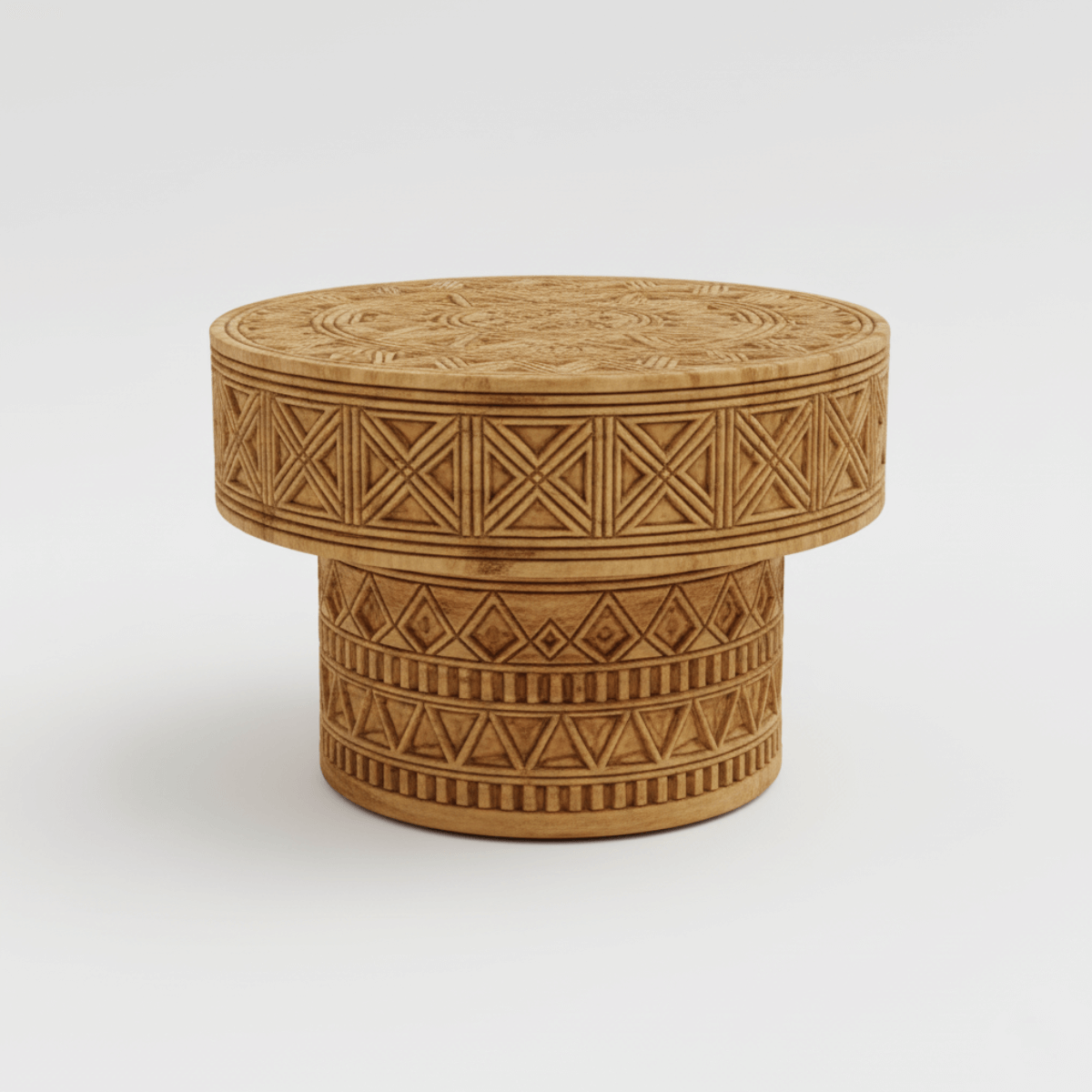
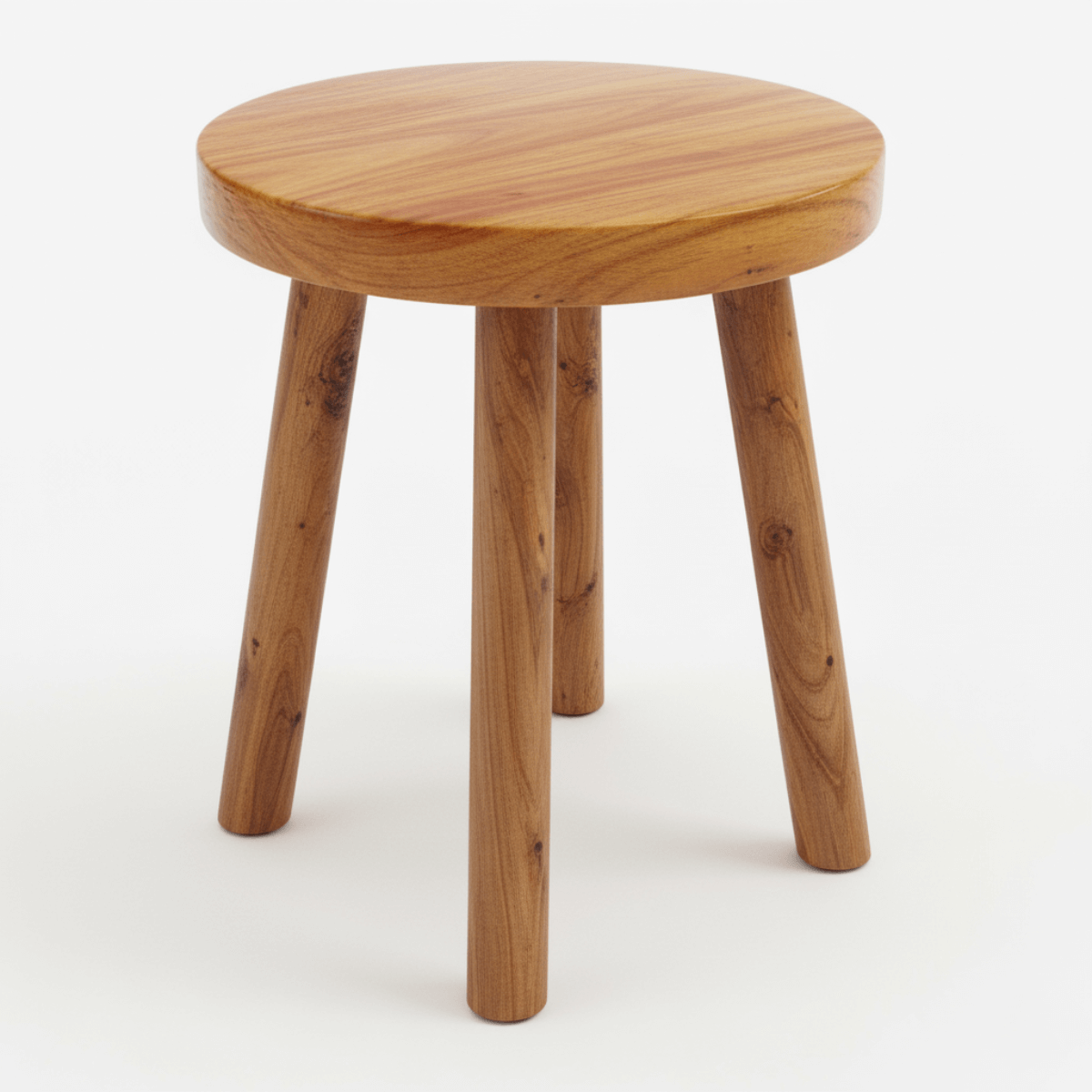
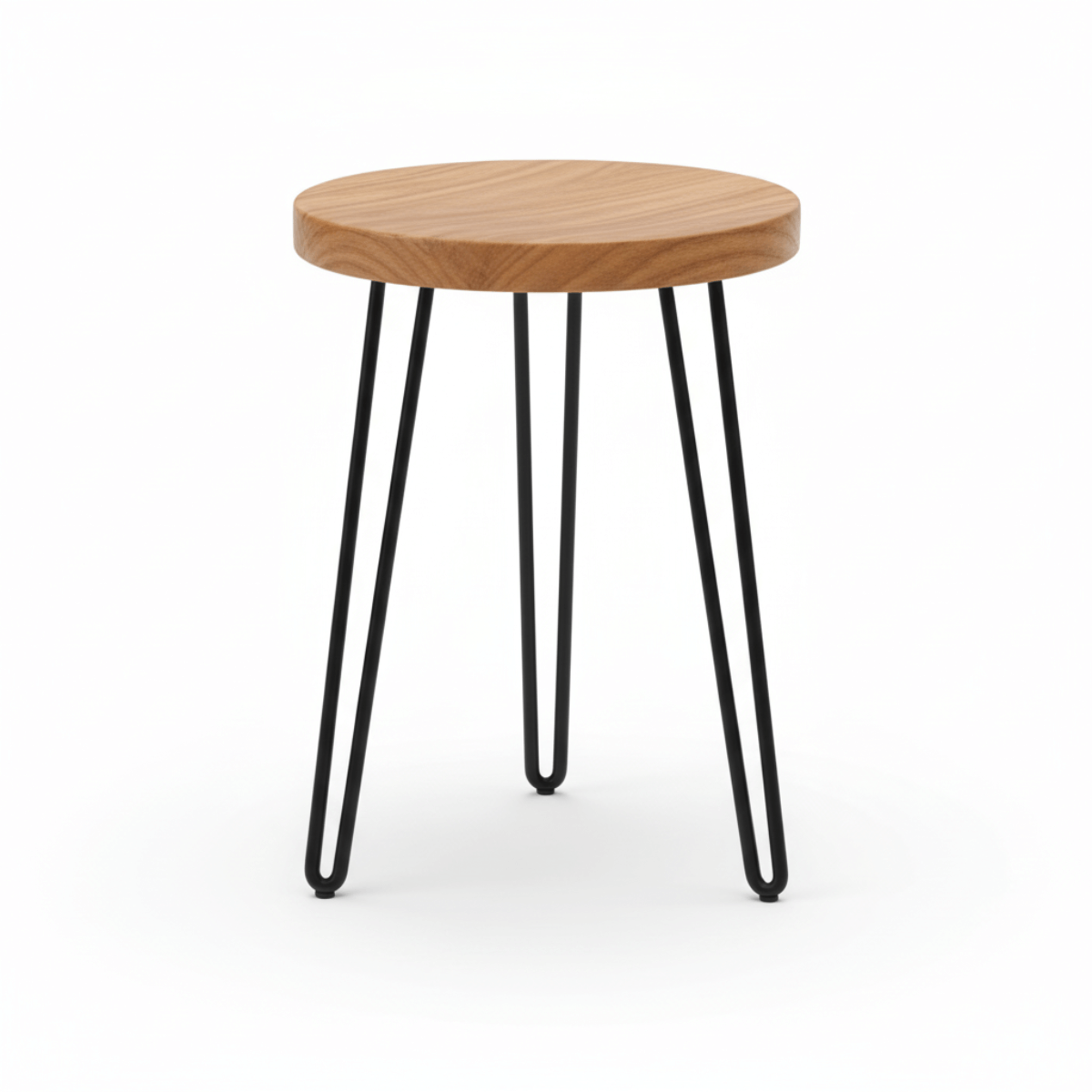
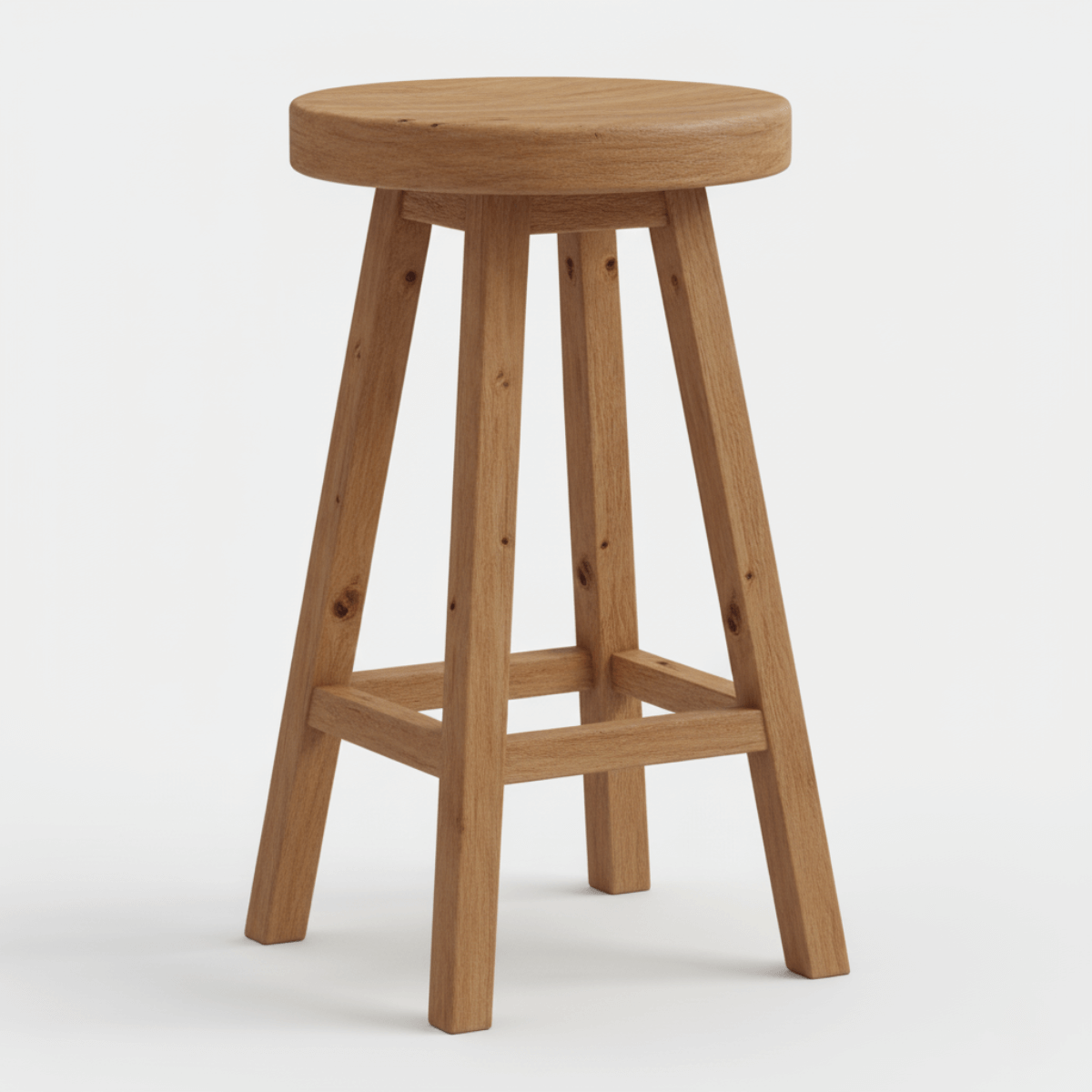
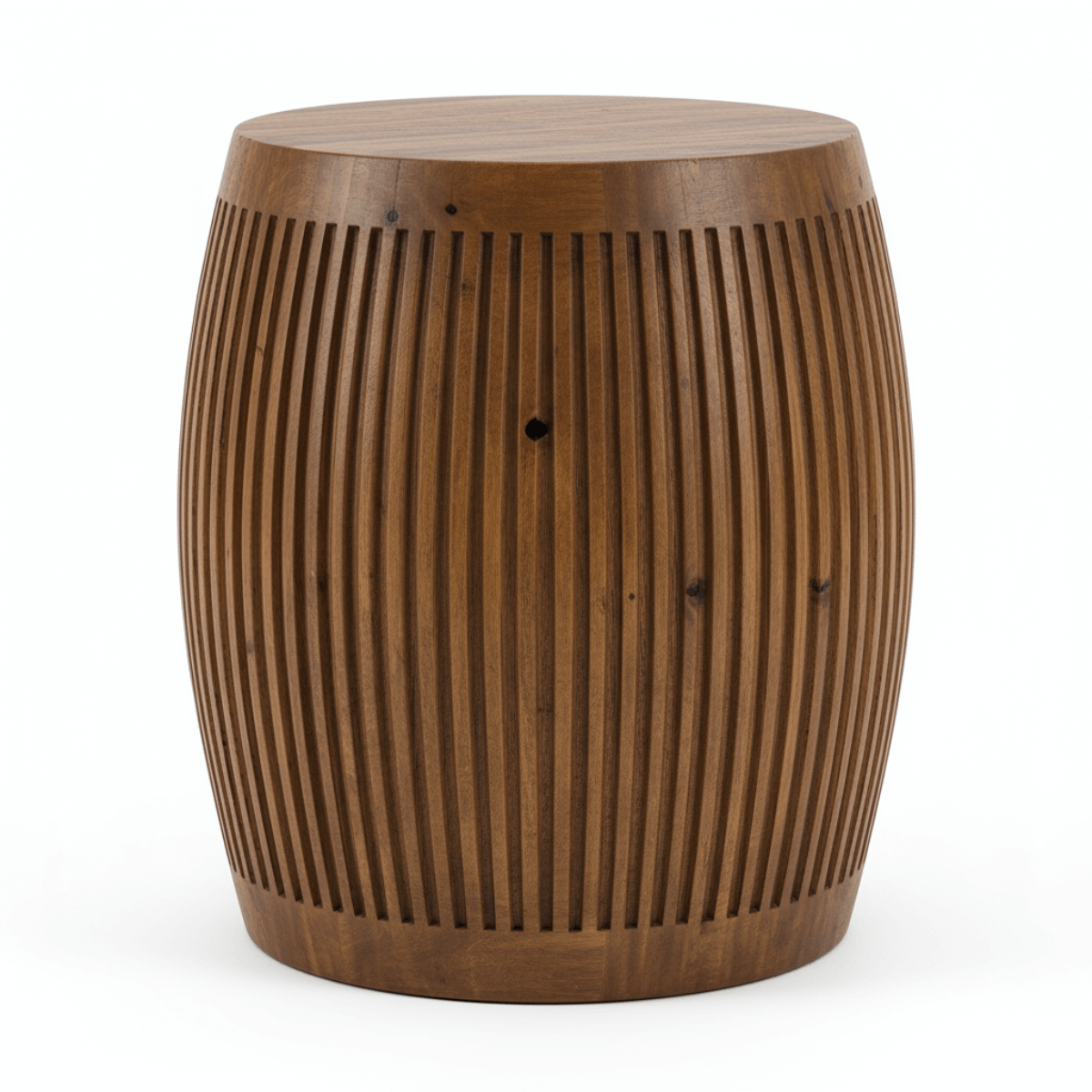
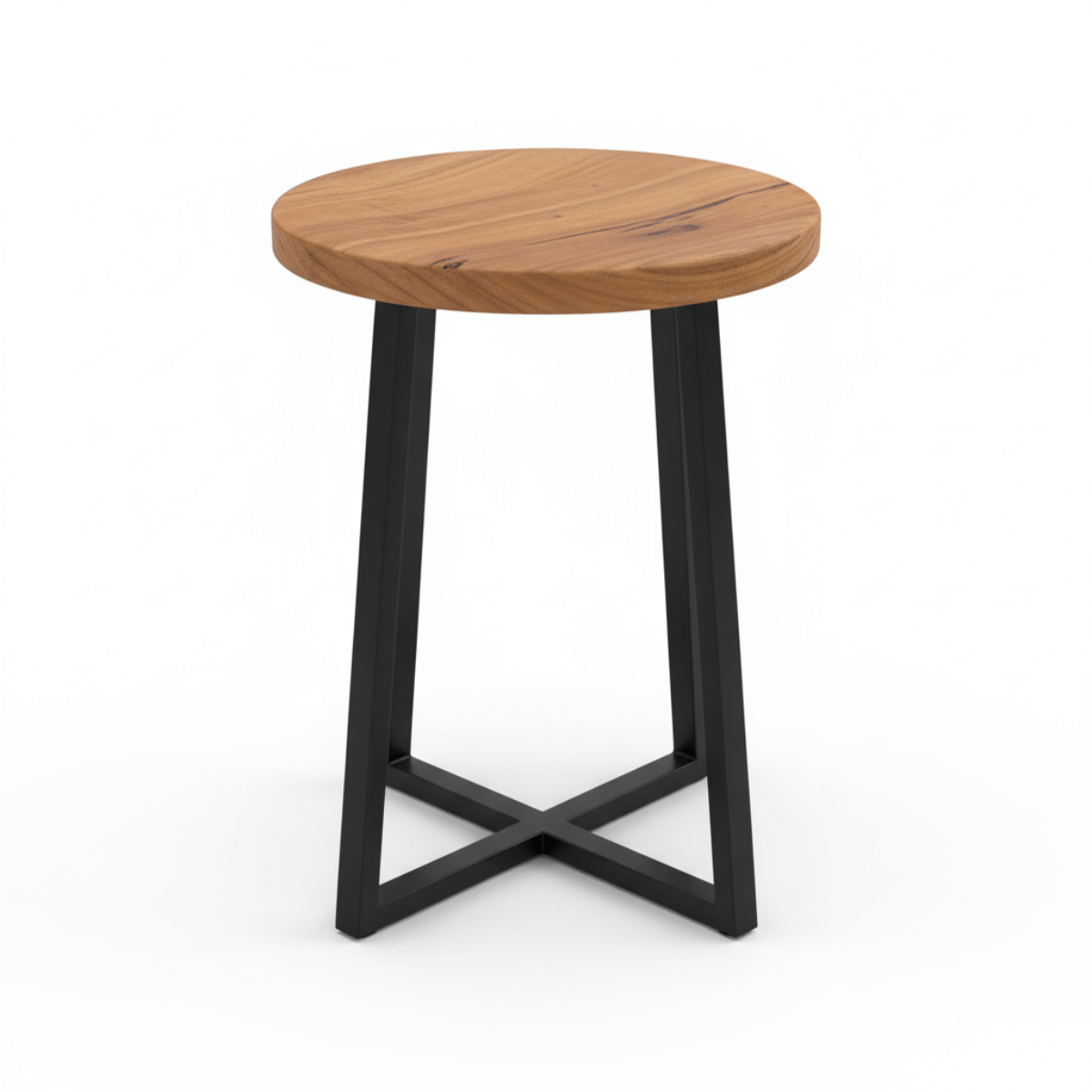
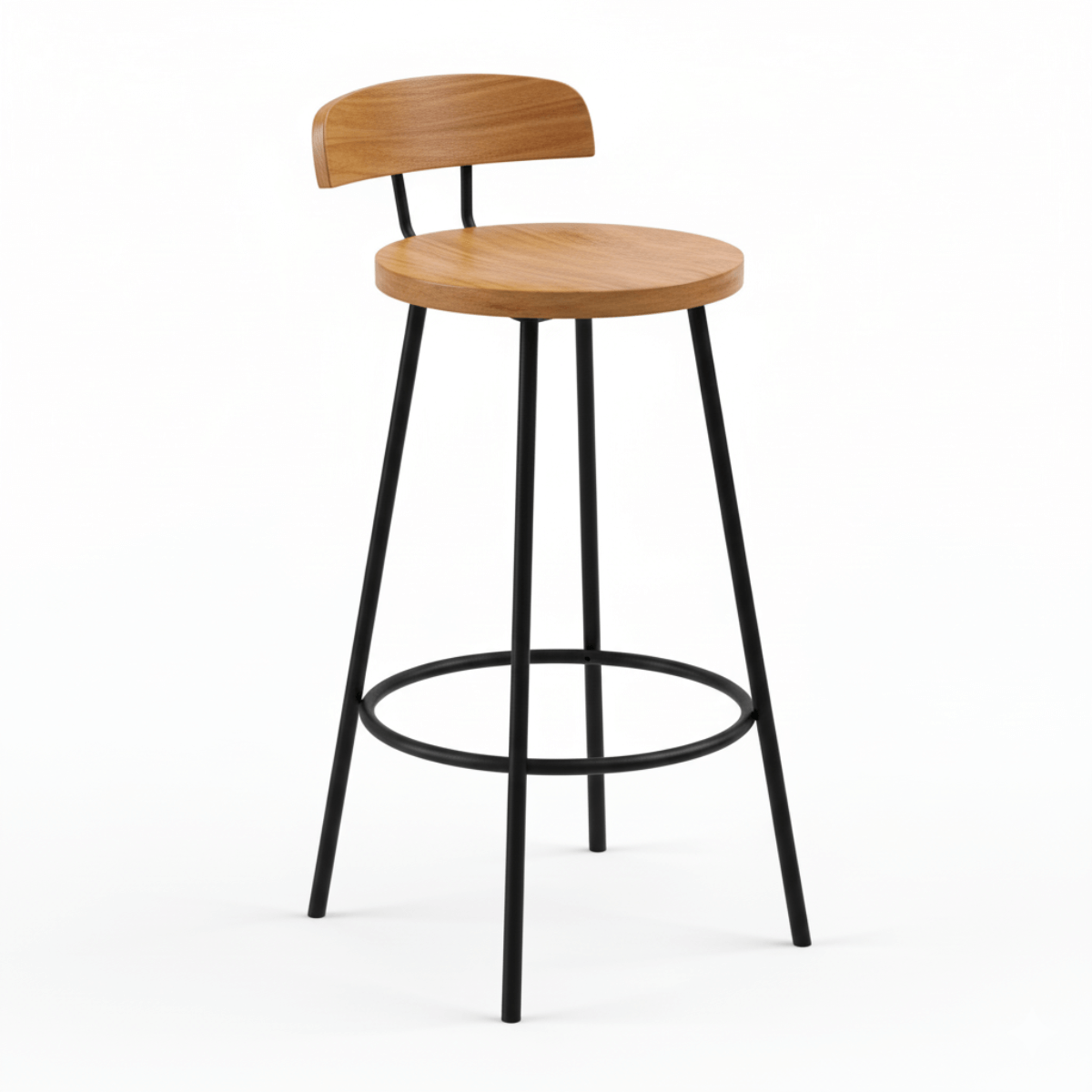
A supplier who only makes one or two product categories is a specialist — good for focused orders but limiting for retailers who want a consolidated supply chain. Pindel Handicraft's catalog spans four major categories: Dining Room (dining sets, tables, chairs, sideboards, benches, bar cabinets), Living Room (sofas, coffee tables, TV units, chairs, side tables, display cabinets), Bedroom (beds, bedside tables, dressing tables, wardrobes, chest of drawers, storage trunks), and Office (desks, chairs, bookcases, study tables).
For a US retailer or wholesaler, sourcing all four categories from one verified manufacturer dramatically reduces compliance risk, shipping complexity, and quality inconsistency.
3. Confirm the Wood Species and Material Sourcing
India exports furniture in a range of wood species. Pindel Handicraft primarily uses mango wood and acacia wood — both dense hardwoods well-suited to the American climate. They also work with complementary materials including iron and brass for accent pieces and hardware.
Why this matters for US buyers: Mango and acacia are recognized materials in the US market with good consumer acceptance. They hold stain and finish well, and they perform reliably across different US climate zones from humid Florida to dry Colorado.
Ask your supplier: 'What wood species do you use? Do you kiln-dry before production?'
4. Understand Their Customization Capabilities
The ability to customize is the primary reason US buyers choose Indian suppliers over importing finished catalog items from China. Pindel Handicraft offers bespoke manufacturing — meaning dimensions, finishes, upholstery materials, and design details can all be adjusted to client specifications.
Their product pages show multiple finish variants — natural, sand-blast, distressed white, black, light brown, dark brown — available on the same base design. This flexibility is critical for US buyers who need to match a specific brand aesthetic or retail collection theme.
5. Ask About Certifications and Compliance
For US importers, supplier certifications are not optional — they are legal protection. Key certifications to ask about: FSC (Forest Stewardship Council) for responsible wood sourcing, ISO for production quality management, BSCI (Business Social Compliance Initiative) for ethical manufacturing, and CARB Phase 2 compliance for composite wood components.
Pindel Handicraft operates with international compliance in mind. ISO and FSC certifications are actively being pursued as part of their global expansion roadmap. Always ask for current documentation rather than assuming.
6. Review Their Export Infrastructure
A manufacturer without export experience is a liability. Export-readiness means: experience with US-bound shipping documentation (Bill of Lading, Packing List, Commercial Invoice, Certificate of Origin), familiarity with CBP entry procedures, container load optimization capability, and access to major Indian ports.
Pindel Handicraft ships through multiple Indian ports — Mumbai, Chennai, and Kandla — giving US importers flexibility based on routing and freight rates. Their export documentation team handles paperwork for all destinations.
7. Evaluate Communication Quality
Poor communication from a supplier is a red flag that predicts poor execution. Observe: How quickly do they respond to inquiries? Do they ask clarifying questions about your requirements, or just quote immediately? Can they provide detailed technical spec sheets?
Contact Pindel Handicraft via info@pindelhandicraft.com or call +91 953 025 8219. The quality of that first interaction tells you a great deal.
8. Assess Their Bulk Order and MOQ Flexibility
Most solid wood furniture manufacturers in India operate with minimum order quantities designed around container economics. Ask about: minimum order value or piece count, whether mixed container orders are supported, and whether sample orders are available before full production commitment.
Pindel Handicraft serves wholesalers, importers, retailers, hospitality groups, and commercial buyers — which signals they handle both smaller introductory orders and large-scale repeat production.
9. Request References or Portfolio
Any established manufacturer should be able to point to export markets they've served. Pindel Handicraft exports to buyers in the USA, UK, Australia, Canada, Europe, the Middle East, and Asia-Pacific. Ask for a portfolio of delivered projects or categories exported to similar buyers.
10. Inspect Their Quality Control Process
The most important question of all: 'Who inspects the furniture before it goes into the container?' A supplier without a documented QC process is a gamble. Pindel Handicraft conducts strict inspection at every stage — from raw material purchase through to final finishing — to ensure there is no compromise on quality before shipment.
Ask specifically whether they allow third-party pre-shipment inspection (PSI). Any reputable manufacturer will say yes.
Ready to source solid wood furniture from India? Contact Pindel Handicraft at info@pindelhandicraft.com or call +91 953 025 8219 for a catalog, sample pricing, and export capability overview.
FAQ — Vetting Indian Furniture Suppliers
How do I know if an Indian furniture supplier is genuine?
Verify their registered factory address, request a video walkthrough, ask for export documentation samples, and check whether they list verifiable certifications. A manufacturer like Pindel Handicraft based in Jodhpur's RIICO Industrial Area has a fixed, verifiable physical presence.
What certifications should I require from an Indian furniture exporter?
At minimum, ask about FSC certification, ISO quality management, and BSCI compliance. For US-bound shipments with composite wood, also ask about CARB Phase 2 compliance. Always ask for current documents, not just claims.
Can Indian furniture suppliers customize products for US retail?
Yes. Solid wood furniture manufacturers like Pindel Handicraft offer full customization — dimensions, finishes, materials, and design details — making it possible for US buyers to source private-label or retailer-exclusive collections.
What wood species work best for the US market from Indian suppliers?
Mango wood and acacia are the most exported species from Rajasthan, India. Both are dense hardwoods with good finishing characteristics and perform well across US climate zones.