

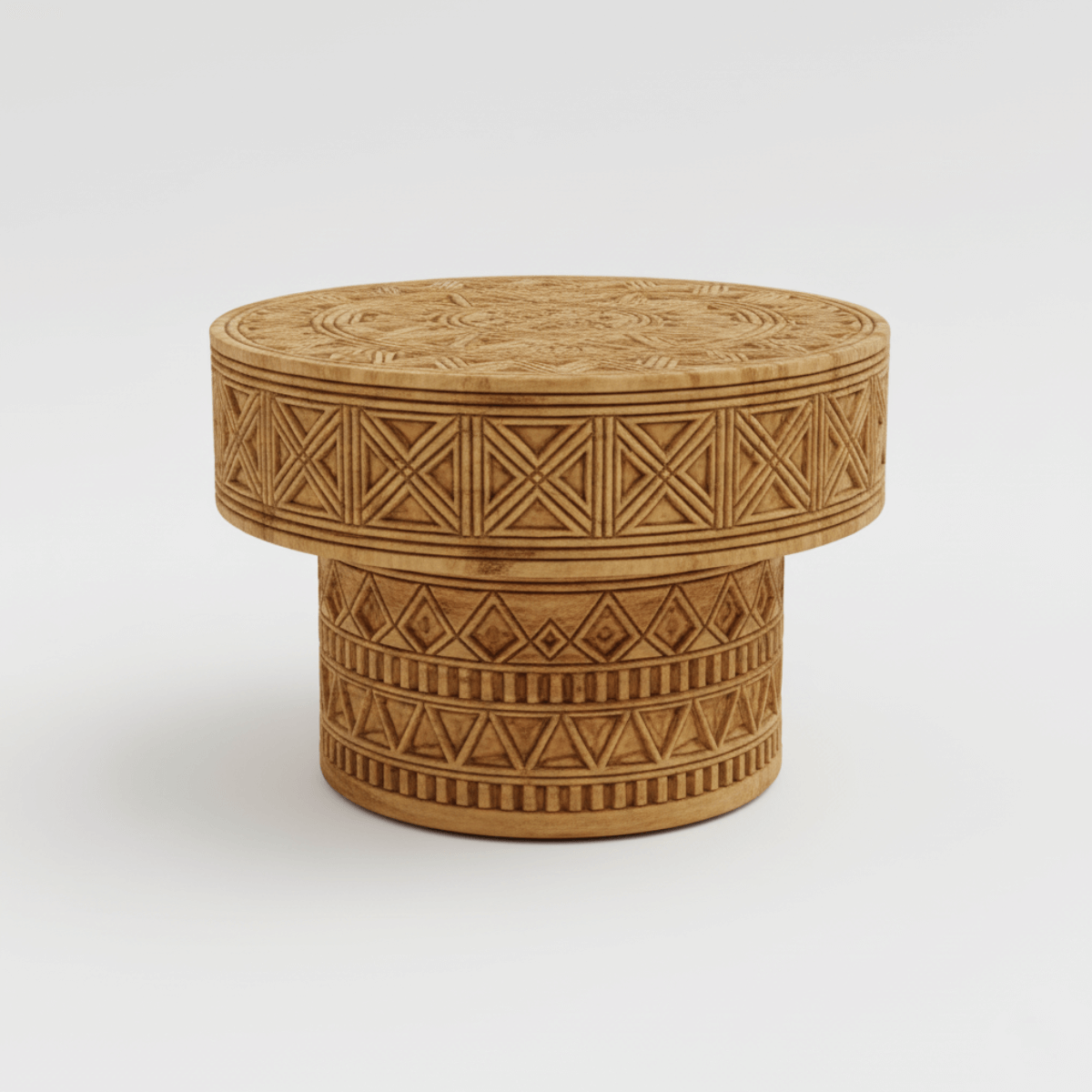
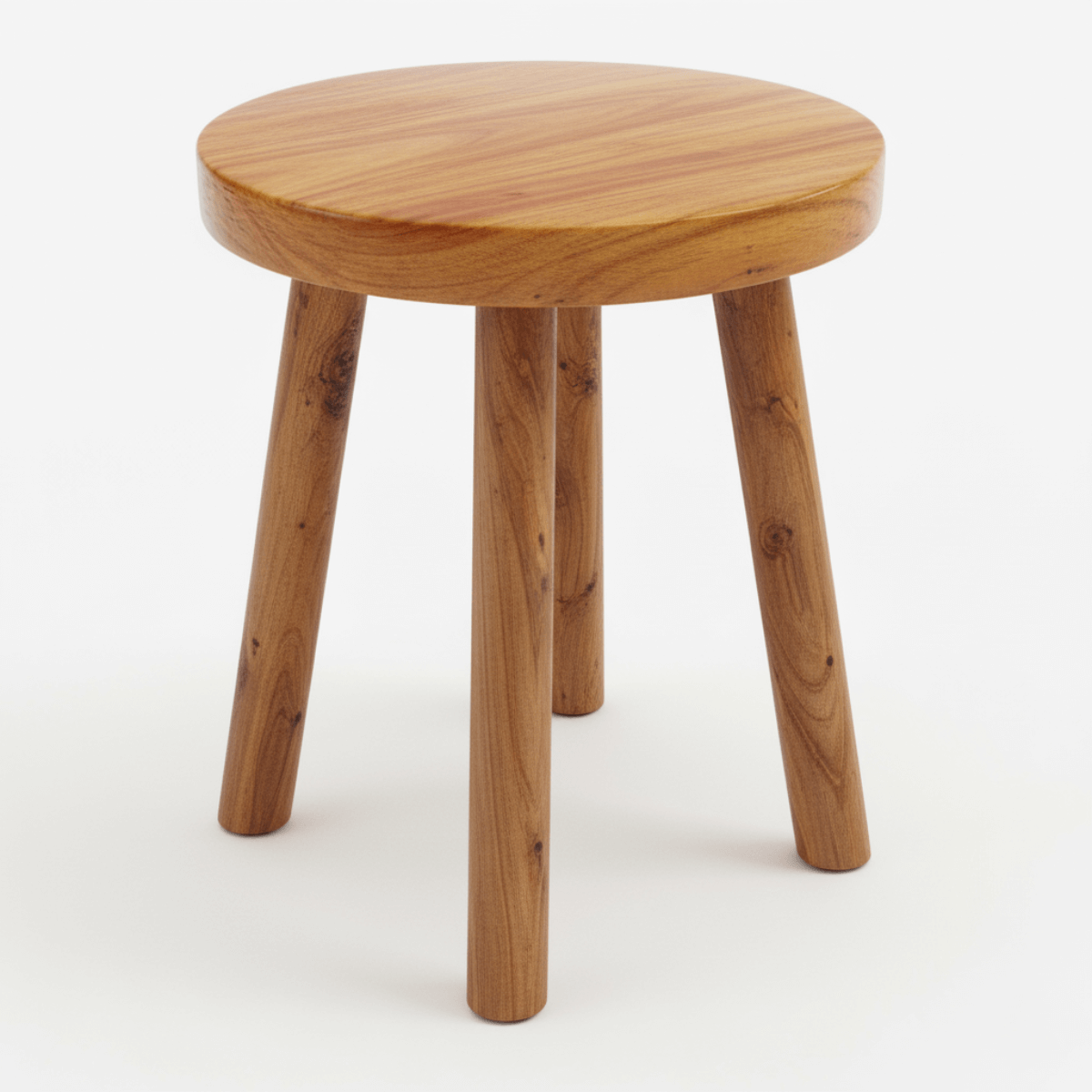
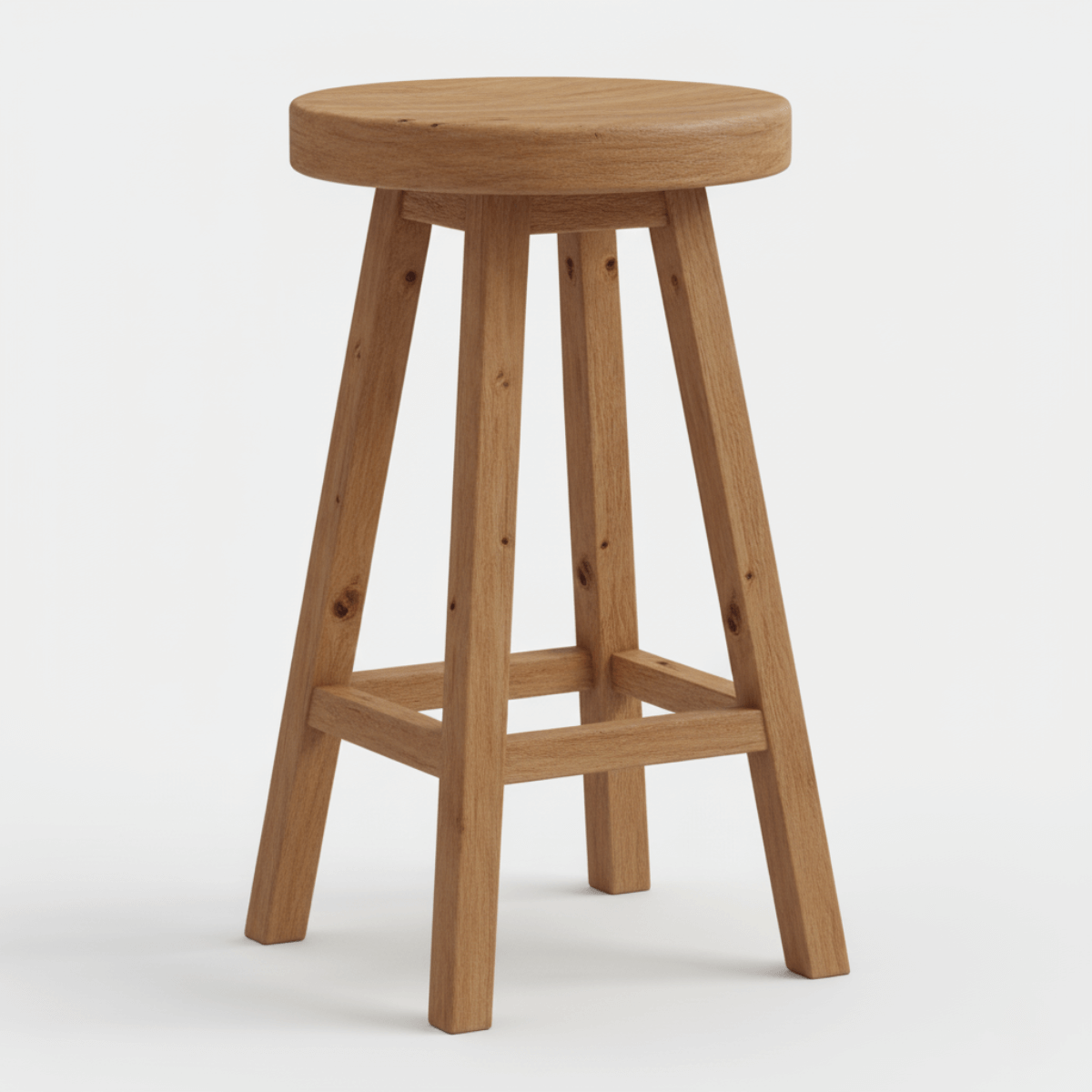
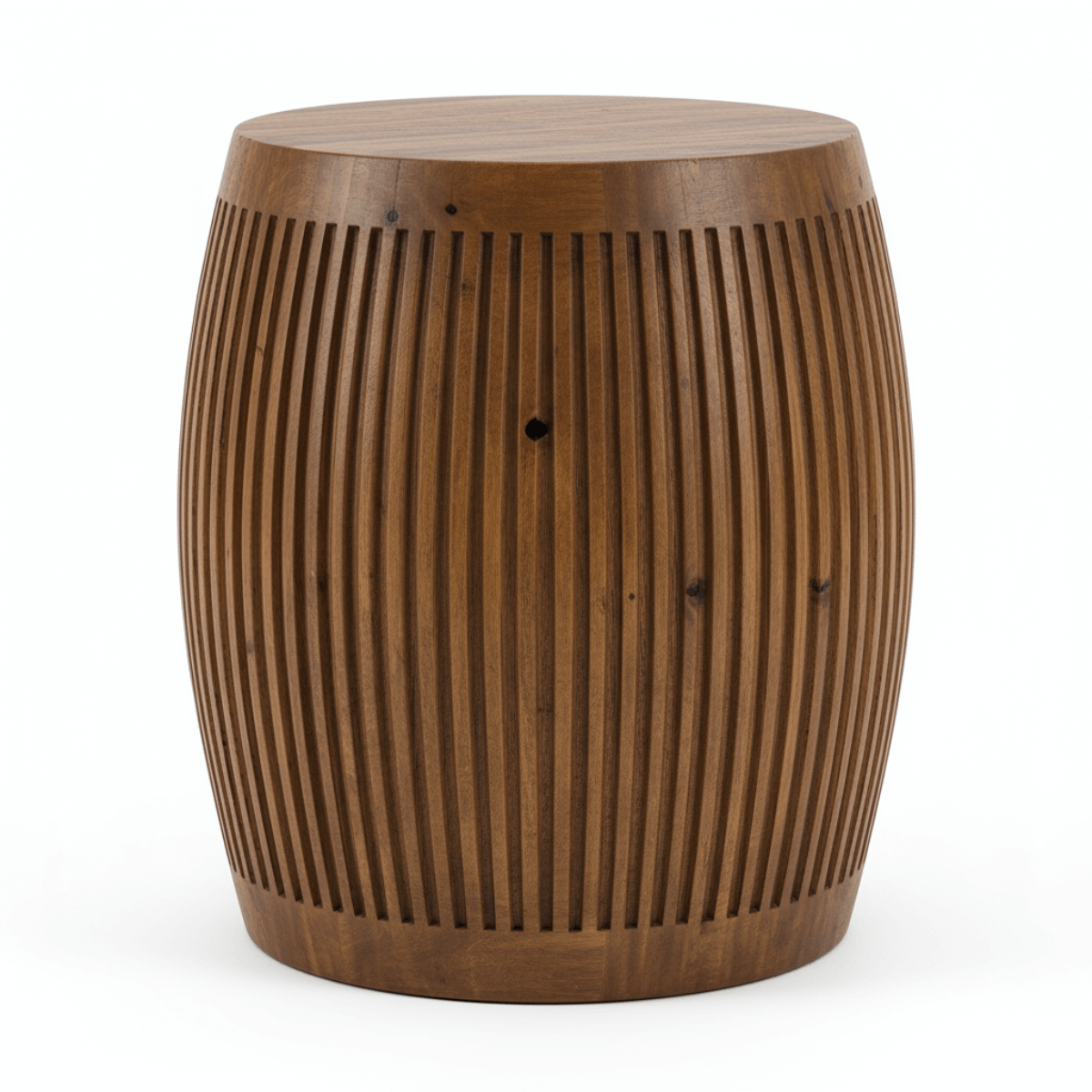


Every US furniture buyer sourcing solid wood dining tables from India faces the same decision early in the relationship with any Indian manufacturer: mango or sheesham?
It is a question that matters commercially because both species sell well, both are widely available from Jodhpur manufacturers, and both are genuinely solid hardwoods - but they serve different retail markets, carry different margin structures, require different finish specifications, and have meaningfully different structural properties that affect customer satisfaction, return rates, and long-term retail performance.
This guide gives you the direct comparison that most content on this subject avoids - grounded in wholesale sourcing reality, not just wood property data.
Why This Decision Matters More Than It Looks
If you are a US furniture retailer, wholesaler, or importer building or expanding your dining category, the choice between mango and sheesham is not primarily a question of which wood is "better." It is a question of which wood is better for your specific retail positioning, price point, and customer profile.
Buyers who get this wrong face one of two problems:
- They order sheesham when their customer base would have responded better (and generated higher margins) on mango at a lower price point
- They order mango when their customers are buying at a price level that implies sheesham quality and durability expectations - leading to returns and negative reviews
Get the match right, and both species will perform well for you. Get it wrong, and the commercial results will be poor regardless of manufacturing quality.
The Direct Comparison: 10 Factors That Matter to Wholesale Buyers
1. Hardness and Durability
Sheesham (Indian Rosewood): Janka hardness: approximately 1,660 lbf. This places sheesham firmly in the "hard" category - harder than European oak (1,290 lbf) and significantly harder than cherry (950 lbf) or walnut (1,010 lbf). A sheesham dining table in daily household use will resist surface scratching from plates, cutlery, and routine contact for decades without requiring refinishing.
Mango Wood: Janka hardness: approximately 1,070–1,100 lbf. Still technically a hardwood, but softer than sheesham. In practical terms, a well-finished mango dining tabletop (polyurethane lacquer or hardwax oil) performs adequately for moderate daily use. A mango table without a quality protective finish, or with a compromised finish from a lower-quality manufacturer, will show surface wear within 2–3 years of typical household use.
Wholesale buying implication: For dining tables specifically - a product that receives daily surface contact from dishes, silverware, and cleaning - sheesham's hardness advantage is commercially meaningful, not just a spec-sheet number. If your customers are buying at a $800–$2,500+ retail price point, sheesham is the structurally honest choice. Mango is appropriate for buyers positioning at $400–$800 retail where the price naturally communicates a materials trade-off.
2. Visual Character and Grain
Sheesham: Rich golden-to-reddish-brown coloration with dark streaks running through the grain. Relatively consistent in hue within a production batch, which makes matching table and chair sets easier. The grain pattern has a formal, premium quality that appeals to buyers who need furniture to look expensive in listing photography.
Mango: Warm golden tones with distinctively irregular spalted patterns - pink, black, and yellow veining that varies significantly piece to piece. This variability is simultaneously mango's biggest visual advantage and its biggest quality control challenge. The variability is a marketing asset (each table is "one of a kind") but requires active batch-level QC to prevent unacceptable color or grain mismatches across a production run.
Wholesale buying implication: Sheesham photographs consistently. Mango photographs beautifully but inconsistently. For catalog and e-commerce retailers who rely on product listing photography, sheesham is lower-risk. For brands marketing artisan uniqueness as a value proposition, mango's variability is a feature, not a bug.
3. Wholesale Price Differential
This is where the conversation gets commercially concrete.
A standard solid wood 6-seater rectangular dining table (180 × 90 cm, 4 straight legs, natural stain, clear lacquer finish):
| Wood Species | FOB Jodhpur per unit | Estimated US Landed Cost (40ft container) | Suggested Retail Range |
| Mango Wood | $110–$190 | $160–$280 | $450–$850 |
| Sheesham Wood | $180–$280 | $260–$400 | $750–$1,800 |
These are approximate benchmarks based on mid-2026 FOB pricing from Jodhpur exporters. Custom designs, specialty finishes, or non-standard dimensions will carry price premiums above these ranges.
The per-unit price gap is real — but so is the retail price gap. At the retail level, sheesham typically commands a 60–100%+ premium over mango in the US market when properly merchandised and described. For buyers with the right retail positioning, the margin structure on sheesham is often superior to mango despite the higher wholesale cost.
4. Sustainability and ESG Positioning
Mango Wood: Mango has the stronger sustainability story. Trees are cultivated primarily for fruit production. When the tree no longer bears fruit economically (typically after 40–45 years), it is harvested for timber — making it a genuine agricultural byproduct. The mango tree grows abundantly across the Indian subcontinent and requires no dedicated forestry management. For US retailers marketing to eco-conscious consumers, mango wood's sustainability narrative is easy to communicate and difficult to challenge.
Sheesham: Sheesham (Dalbergia sissoo) is sustainably managed in India and is not on the CITES restricted species list — unlike its close relative Brazilian rosewood (Dalbergia nigra), which IS CITES-listed and banned from trade. Sheesham grown in Indian state-managed plantations can be FSC-certified, providing equivalent documentation to mango for buyers with formal ESG sourcing requirements. The sustainability narrative for sheesham requires slightly more explanation at the retail level but is fully defensible with proper certification documentation.
Wholesale buying implication: Mango has a stronger sustainability marketing story that requires no documentation to communicate. Sheesham requires FSC certification to achieve the same ESG credibility. If your retail audience actively researches sustainability claims, request FSC-certified sheesham from your manufacturer. Pindel Handicraft can supply FSC-certified options for both species — learn more about our sustainable manufacturing practices.
5. Finish Compatibility
Both sheesham and mango accept stains, oils, lacquers, and wax finishes well — but with different characteristics:
Sheesham: The natural oil content in sheesham can interfere with water-based finishes if the wood is not properly degreased before finishing. Oil-based lacquers, hardwax oils, and solvent-based polyurethane perform best on sheesham. Achieving very light stain colors (white wash, grey) on sheesham is more challenging because the dark natural grain tends to show through lighter stain formulations.
Mango: More receptive to a wider range of finishes including water-based lacquers. Mango's lighter natural color makes it easier to achieve light washes, white-painted finishes, and pastel stain effects. Excellent for trends in lighter-colored natural wood dining furniture that have grown in US retail over the past 3 years.
6. Construction and Joinery Performance
Sheesham: High density makes sheesham an ideal material for traditional joinery. Mortise-and-tenon joints in sheesham, when properly glued with a quality PVA or epoxy adhesive, create connections that are difficult to separate even under significant stress. The wood's natural oil also lubricates hand-cut joints slightly, making fine-tolerance fit easier for skilled craftsmen.
Mango: Lower density makes mango more susceptible to joint failure under load if joinery is not tight-tolerance. The wavy, interlocking grain pattern of mango - which contributes to its visual interest - also means it does not machine as predictably as sheesham. Reputable manufacturers account for this in their process; lower-tier manufacturers often do not.
Wholesale buying implication: For both species, insist on mortise-and-tenon joinery at all structural leg-to-apron connections. For mango specifically, request joint photos as part of your pre-production sample approval.
7. Weight and Shipping Efficiency
Sheesham: Heavier. A standard sheesham 6-seater dining table weighs approximately 40–55 kg assembled. This affects container fill rate and sea freight cost per unit.
Mango: Lighter. An equivalent mango table weighs approximately 28–40 kg. The weight difference meaningfully improves container economics — you can typically fit 5–8 additional mango dining tables per 40-foot container compared to the same sheesham design.
Wholesale buying implication: Mango's lower weight improves landed cost efficiency slightly, partially offsetting the lower FOB price advantage of sheesham. The difference is material in high-volume shipping scenarios.
8. Moisture and Climate Sensitivity
Sheesham: Natural oil content provides inherent moisture resistance. Sheesham furniture performs well in both humid (coastal US markets) and dry (Mountain West, Southwest US) indoor environments with standard care.
Mango: More hygroscopic (moisture-absorbing) than sheesham. Mango furniture destined for humid US climate zones (Southeast, coastal areas) should be finished with a moisture-sealing topcoat (polyurethane lacquer preferred) and accompanied by care instructions for the end consumer.
9. Maintenance Requirements
Sheesham: Annual oiling or polishing recommended to maintain natural sheen. Less prone to surface drying and cracking than mango. Lower consumer maintenance burden.
Mango: Requires annual oiling or polishing and should be kept from prolonged direct sunlight to prevent surface drying. A lacquered mango table requires less consumer attention than an oiled one, but the underlying wood is more sensitive to neglect.
10. Best Retail Market Fit - A Decision Framework
Use this framework to make the right call for your specific buyer profile:
| Buyer Profile | Right Choice | Reason |
| US retailer targeting $800–$2,500 dining table retail | Sheesham | Matches price-point quality expectations; lower return risk |
| US importer targeting $400–$900 retail (volume segment) | Mango | Better margin structure at mid-market price point |
| E-commerce brand with "eco-artisan" positioning | Mango | Stronger sustainability narrative; visual uniqueness supports social content |
| Hospitality buyer (hotel/restaurant dining furniture) | Sheesham | Daily commercial use demands sheesham durability |
| Interior designer sourcing for residential projects (high-end) | Sheesham | Customization of carving/finish; premium quality expectation |
| Retailer building a "natural living" or Japandi-style range | Mango | Warmer grain, lighter tones, eco story aligns with aesthetic |
| First-time importer testing the India supply chain | Mango | Lower per-unit cost reduces financial risk on first container |
What Competitor Content Gets Wrong About This Comparison
If you have searched for "mango wood vs sheesham" before reading this, you will have found articles that compare these woods for Indian domestic retail consumers buying a single dining table for their home. That comparison is not the same as a wholesale sourcing decision.
Specifically, what competitor content misses for wholesale buyers:
- The retail positioning implication: Whether your customer base's expectations align with what mango or sheesham actually delivers is the most important variable. Most articles discuss properties without connecting them to retail market fit.
- The container economics dimension: Mango's weight advantage per container is a real operational consideration that domestic retail comparisons don't touch.
- The finish specification issue: Mango's finish-sensitivity matters far more in export furniture than domestic Indian retail, where climate conditions are different and consumer care standards vary.
-
The QC challenge with mango grain variability: Production batch color/grain consistency is a genuine operational complexity for importers ordering mango dining tables at scale. It is almost never discussed in consumer-facing comparisons.
How Pindel Handicraft Produces Both Species
At Pindel Handicraft, we manufacture solid wood dining tables in both sheesham and mango from our Jodhpur export facility. Our dining table collection includes standard designs in both species, and our production team works with US buyers to specify moisture content, finish type, and joinery standards for each order.
For buyers sourcing mixed assortments - dining chairs, benches, and sideboards alongside tables - we can coordinate production of matching designs in the same species across product categories for cohesive retail sets.
Related reading:
-
Top Solid Wood Dining Table Designs to Import from India
-
How to Import Solid Wood Furniture from India to the USA
-
Mango Wood vs Acacia Wood: A Wholesale Comparison
Contact our export team to request samples of both species, current wholesale pricing, and production lead time confirmation for your next dining table order.