

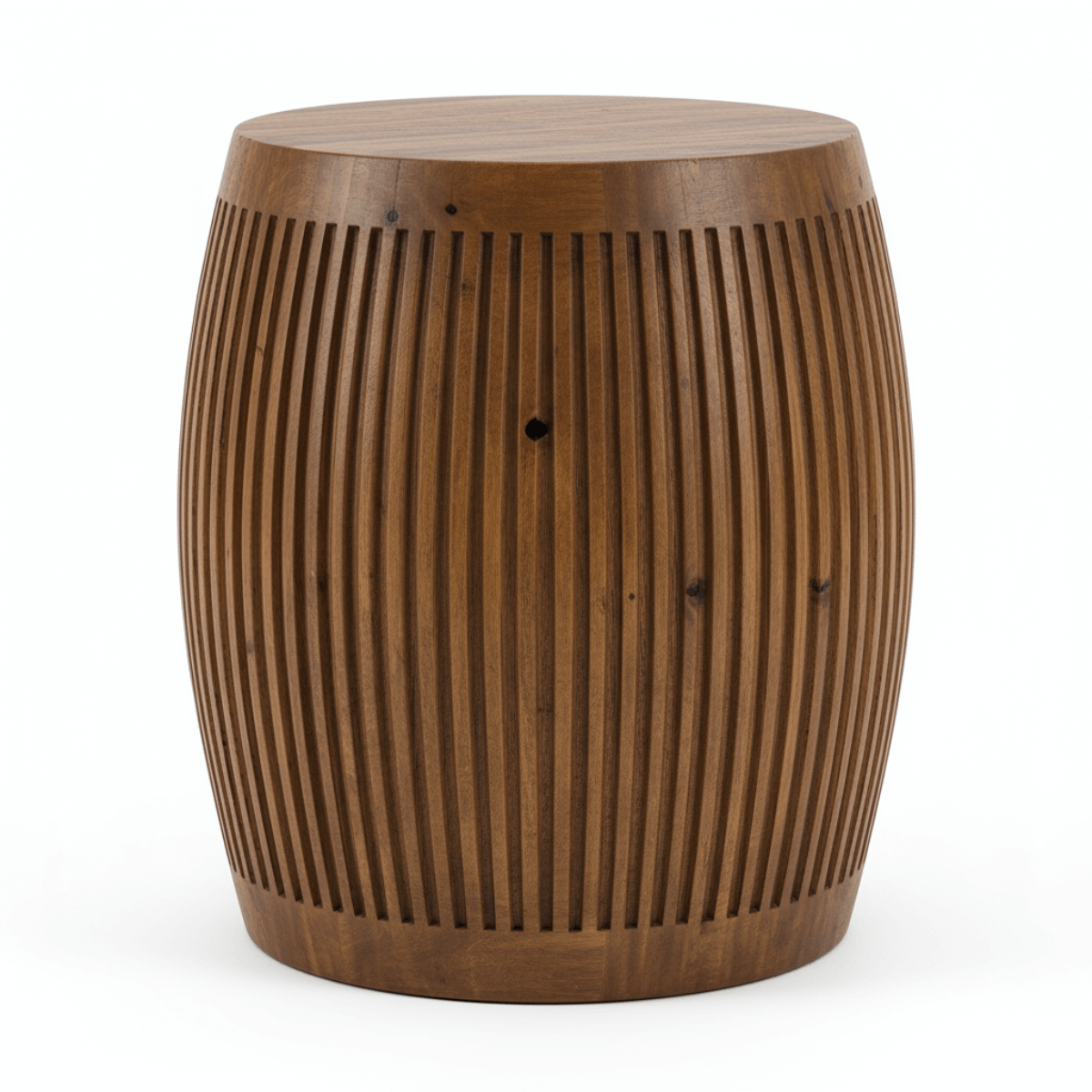
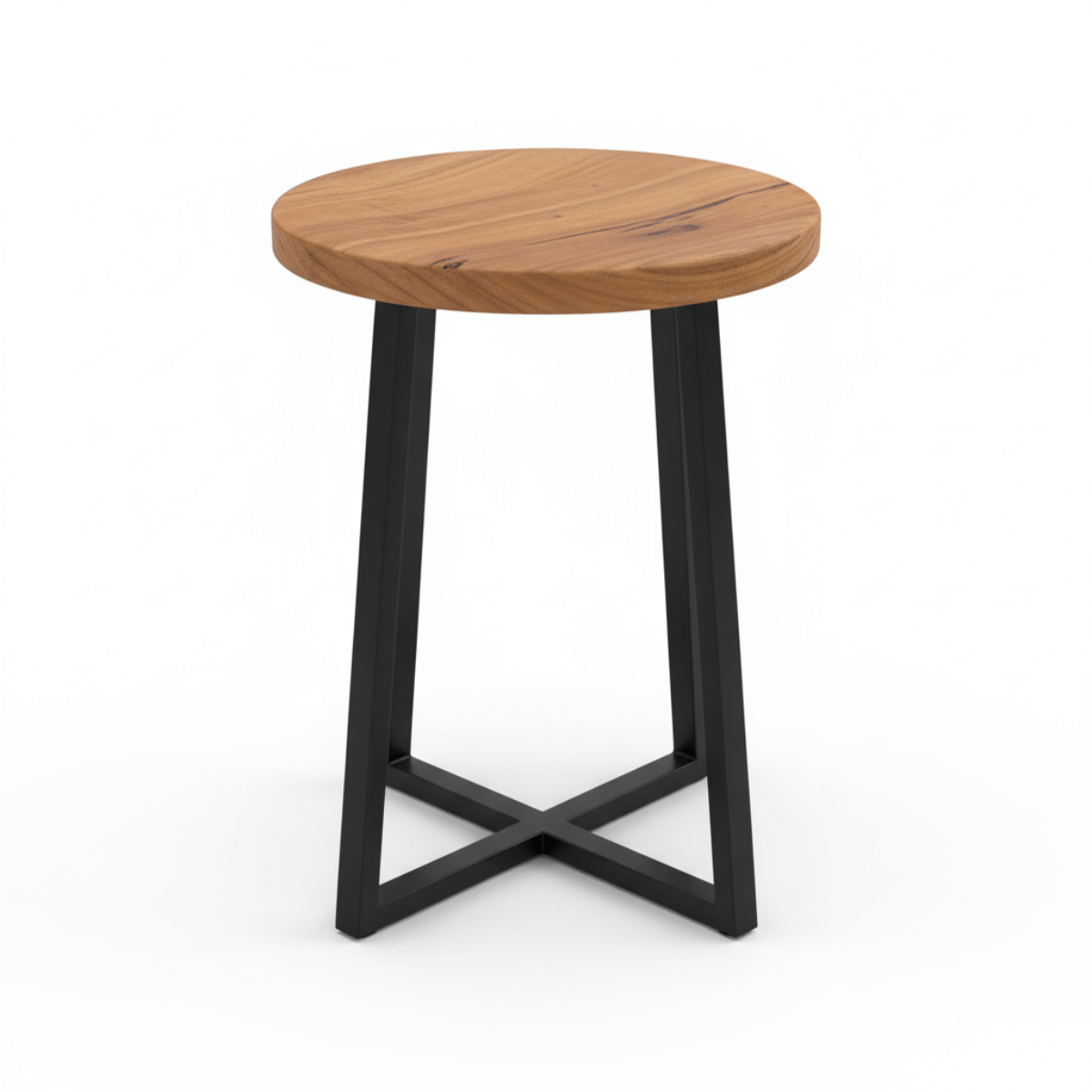
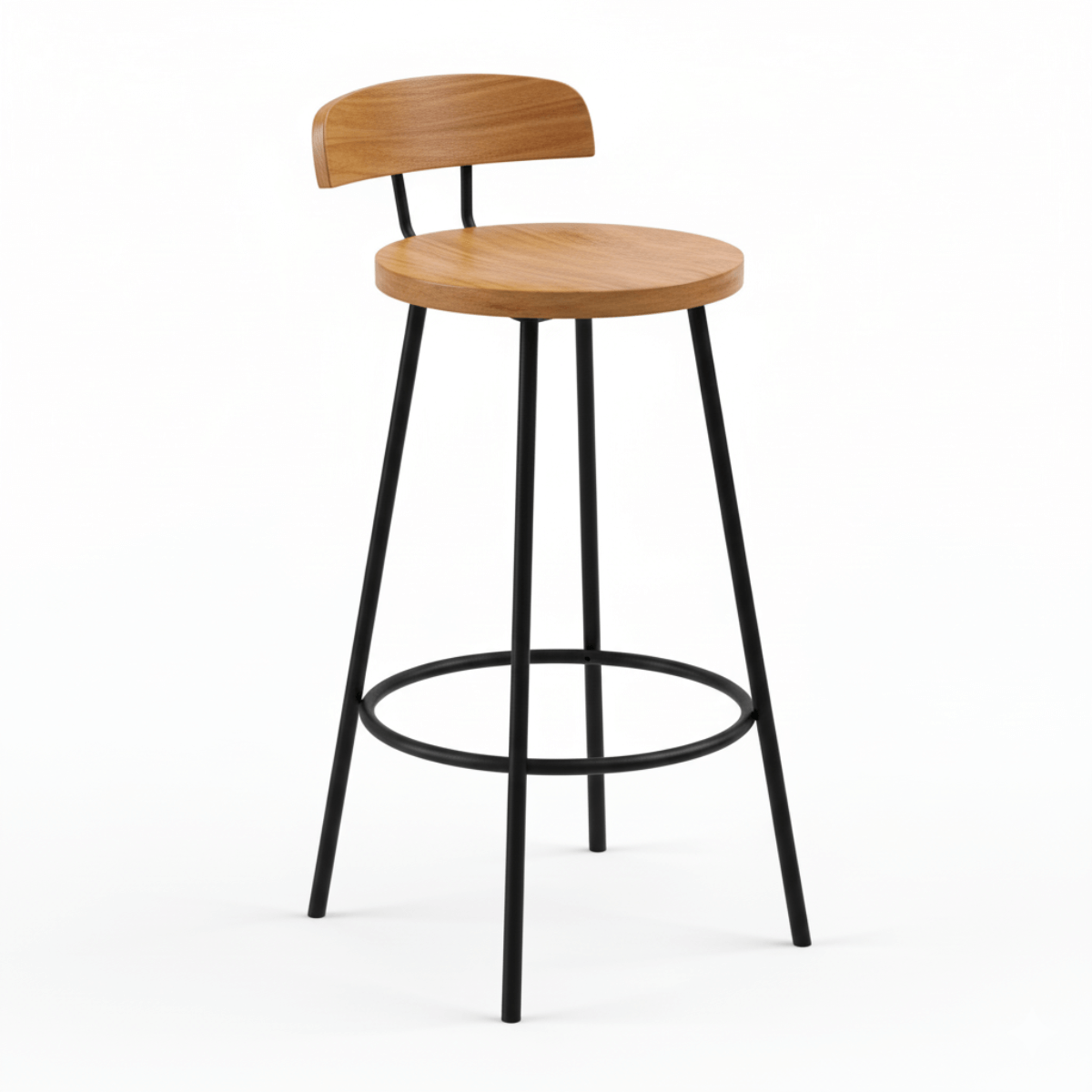


मैचिंग फर्नीचर सेट खरीदने के दिन गए। आज, यह सब एक ऐसी जगह बनाने के बारे में है जो आपके अद्वितीय व्यक्तित्व को दर्शाती है। फर्नीचर शैलियों को मिलाकर आप एक ऐसा घर बना सकते हैं जो एक कैटलॉग से सीधा दिखने के बजाय इकट्ठा और प्रामाणिक लगता है। यह प्रवृत्ति आपको आधुनिक डिज़ाइनों को अपनाते हुए पोषित विरासत का सम्मान करने की सुविधा देती है। यदि आप कभी विभिन्न शैलियों को संयोजित करना चाहते थे, लेकिन एक अव्यवस्थित परिणाम से डरते थे, तो आप सही जगह पर हैं। यह मार्गदर्शिका आपको आत्मविश्वास के साथ फर्नीचर को मिलाने और मैच करने में मदद करने के लिए व्यावहारिक सुझाव प्रदान करेगी।
फर्नीचर शैलियों का मिश्रण क्यों काम करता है
फर्नीचर शैलियों का मिश्रण आपके घर में चरित्र और गहराई भरने का एक शक्तिशाली तरीका है। यह एक स्तरित, क्यूरेटेड लुक बनाकर एक कमरे को एक-आयामी महसूस करने से रोकता है। उदाहरण के लिए, एक चिकने, आधुनिक सोफे को एक विंटेज आर्मचेयर के साथ जोड़कर, आप पुराने और नए के बीच एक गतिशील बातचीत बनाते हैं। आंतरिक डिजाइन के लिए यह दृष्टिकोण आपको अपनी यात्रा और स्वाद को प्रदर्शित करने की अनुमति देता है, अपने सजावट के माध्यम से एक कहानी बताता है। परिणाम एक ऐसी जगह है जो व्यक्तिगत, दिलचस्प और विचारपूर्वक इकट्ठा की गई लगती है, न कि मंचित।
एक स्पष्ट दृष्टिकोण से शुरुआत करें
इससे पहले कि आप टुकड़े खरीदना शुरू करें, एक स्पष्ट दृष्टिकोण होना आवश्यक है। एक व्यापक थीम तय करें जो आपकी पसंद का मार्गदर्शन करेगी, जैसे "आधुनिक देहाती," "बोहो-मिनिमलिस्ट," या "समकालीन क्लासिक।" यह थीम आपके उत्तरी सितारे के रूप में काम करेगी, यह सुनिश्चित करेगी कि मिश्रण में विभिन्न शैलियों के बावजूद, समग्र माहौल सुसंगत रहे। आपके इंटीरियर डिजाइन शैली के मिश्रण के लिए एक मार्गदर्शक अवधारणा होने से आपकी जगह बेतरतीब महसूस नहीं होती है और हर टुकड़े को ऐसा महसूस करने में मदद मिलती है कि वह वहीं का है।
पहले एक प्रभावशाली शैली चुनें
अव्यवस्थित रूप से बचने के लिए, 70/30 नियम का पालन करें: एक शैली को कमरे के लगभग 70% हिस्से पर हावी होने दें, और शेष 30% के लिए एक द्वितीयक शैली का उपयोग करें। यह रचनात्मक लहजे की अनुमति देते हुए एक मजबूत नींव बनाता है। उदाहरण के लिए, यदि आप आधुनिक और पारंपरिक फर्नीचर का मिश्रण कर रहे हैं, तो आपके लिविंग रूम में एक आधुनिक सोफा, कॉफी टेबल और मीडिया यूनिट (70%) हो सकता है, जिसमें एक पारंपरिक आर्मचेयर और विंटेज गलीचा उच्चारण टुकड़े (30%) के रूप में हों। यह सरल नियम संरचना प्रदान करता है और सुनिश्चित करता है कि आपकी उदार पसंदें जानबूझकर दिखें।
सामंजस्य बनाने के लिए रंग का उपयोग करें
विभिन्न फर्नीचर शैलियों वाले कमरे को एकजुट करने के लिए रंग सबसे प्रभावी उपकरणों में से एक है। एक सुसंगत रंग पैलेट से चिपके रहने से सब कुछ सहजता से जुड़ सकता है। सफेद, बेज, ग्रे और काले जैसे तटस्थ आधार रंग विभिन्न फर्नीचर टुकड़ों को शांतिपूर्वक एक साथ रहने में मदद करने के लिए उत्कृष्ट हैं। फिर आप कुशन, थ्रो, कलाकृति और सजावट जैसी छोटी वस्तुओं के माध्यम से उच्चारण रंगों के पॉप पेश कर सकते हैं। एक परिभाषित पैलेट के भीतर फर्नीचर के रंगों और बनावटों को मिलाकर, आप एक सामंजस्यपूर्ण और देखने में मनभावन स्थान बनाते हैं।
आकार, बनावट और सामग्री को संतुलित करें
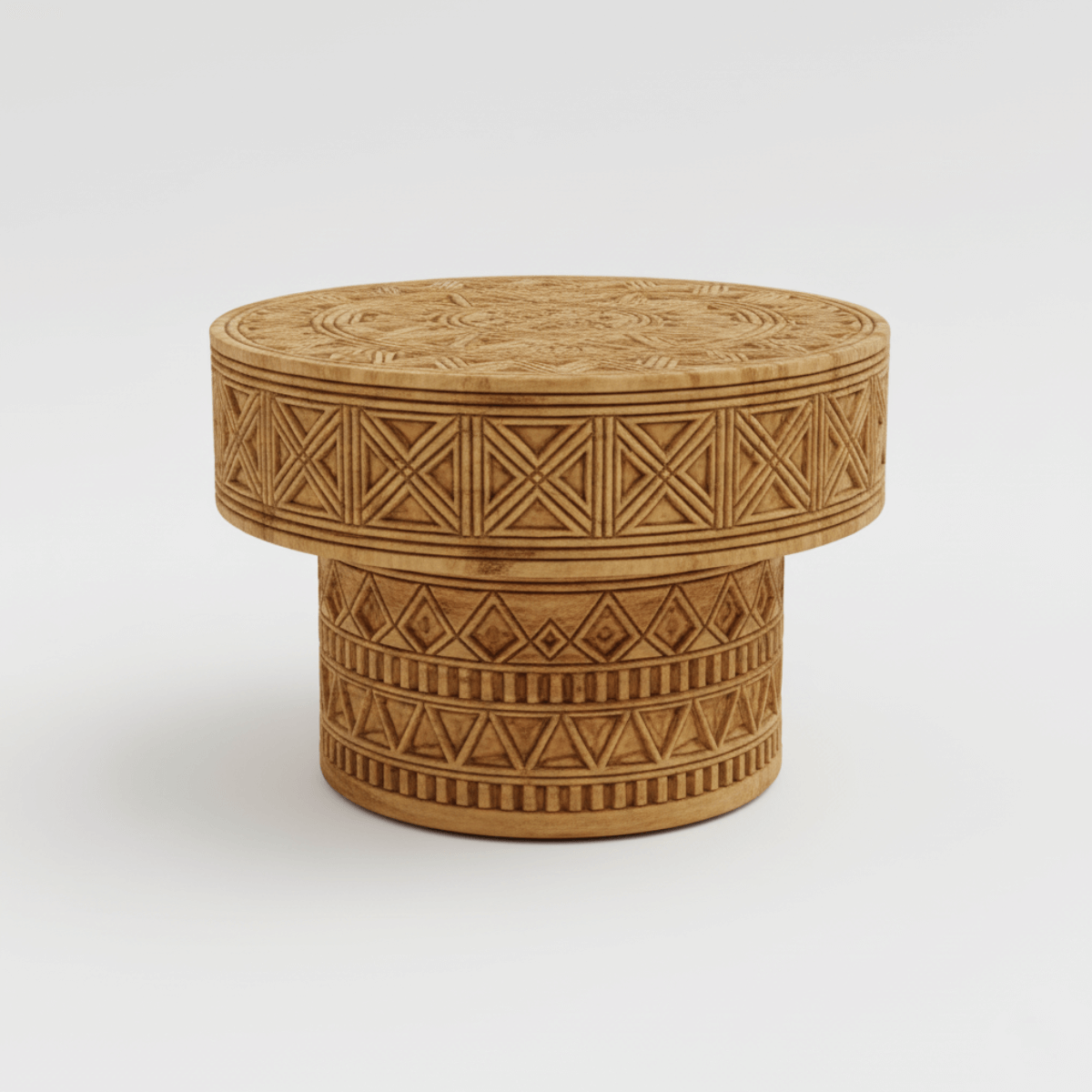
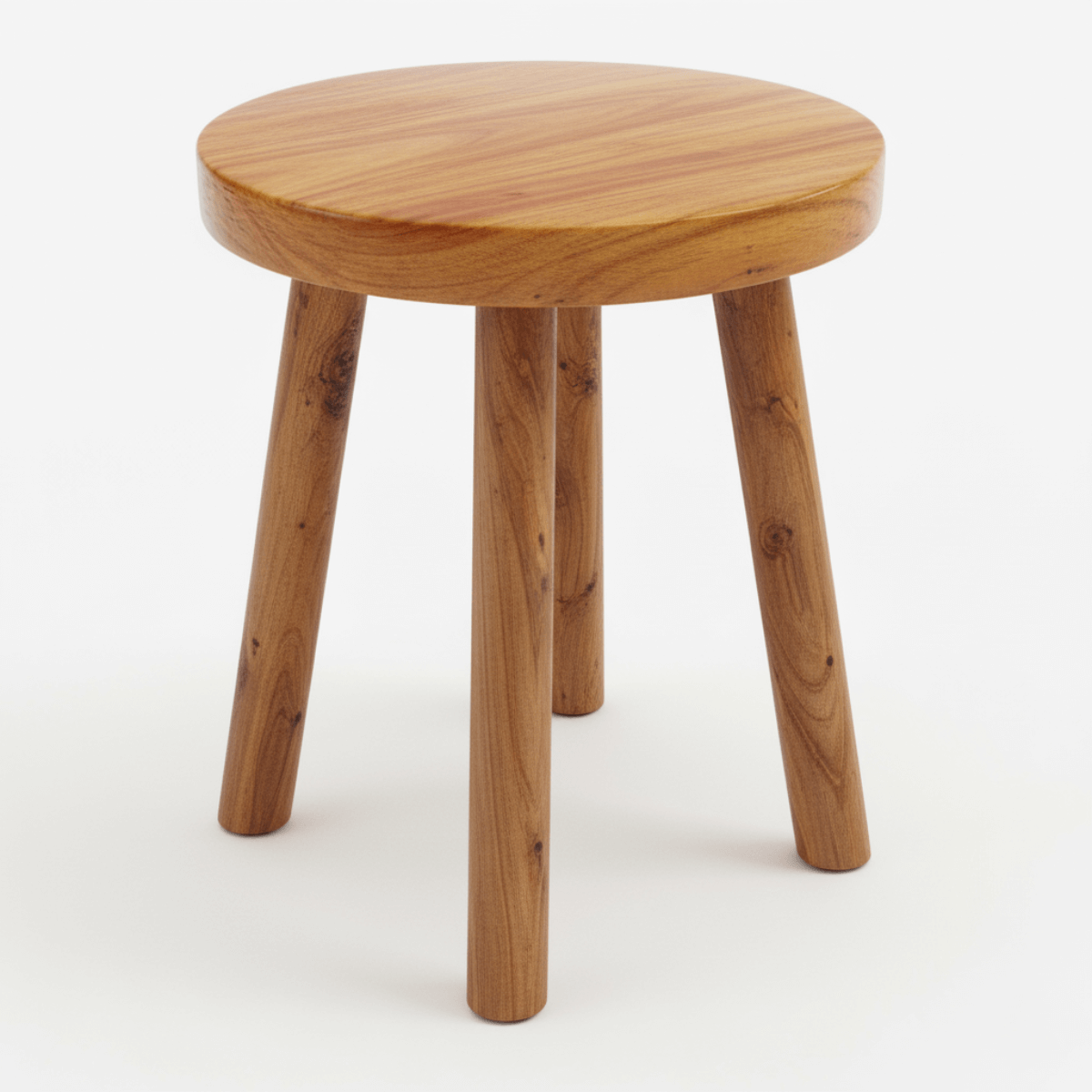
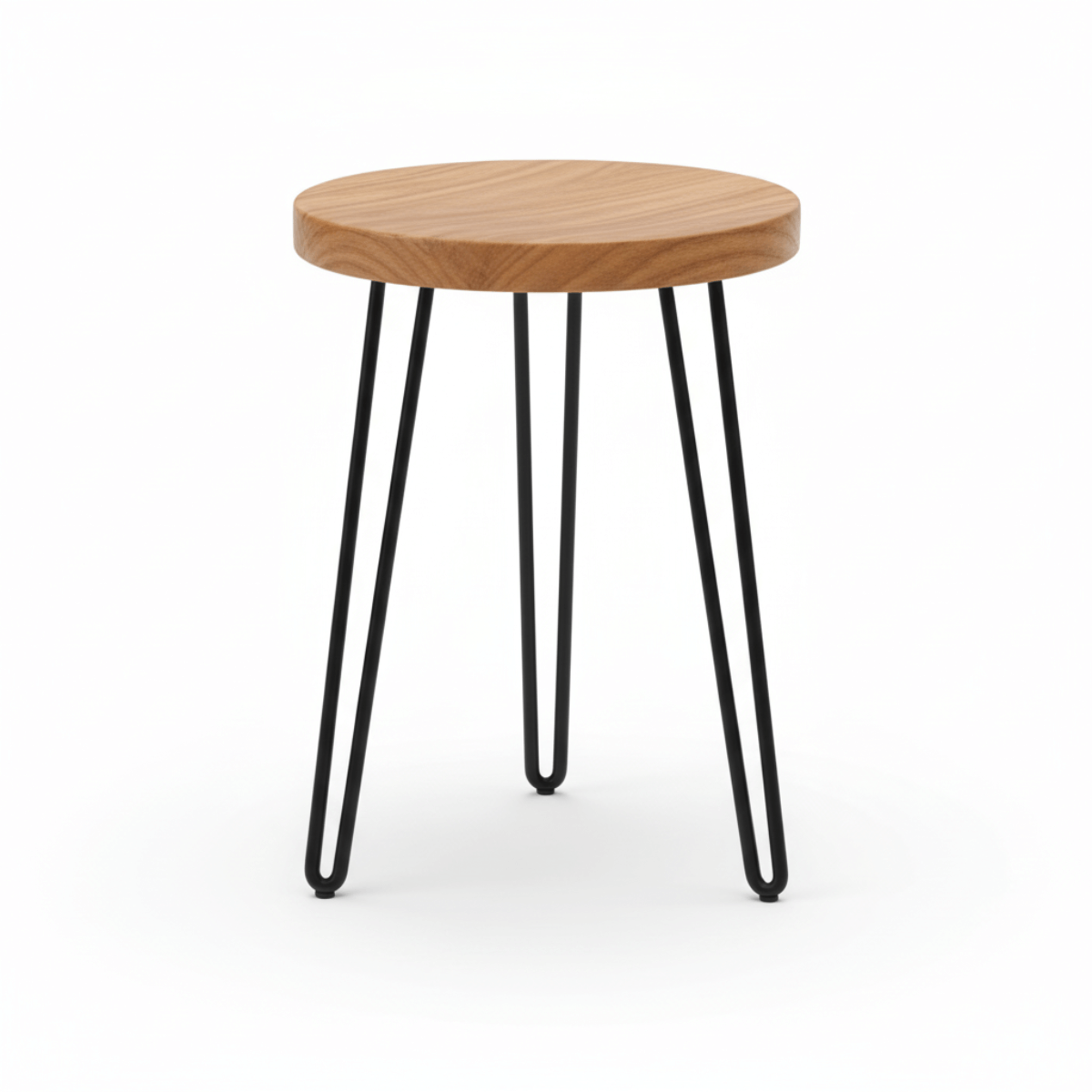
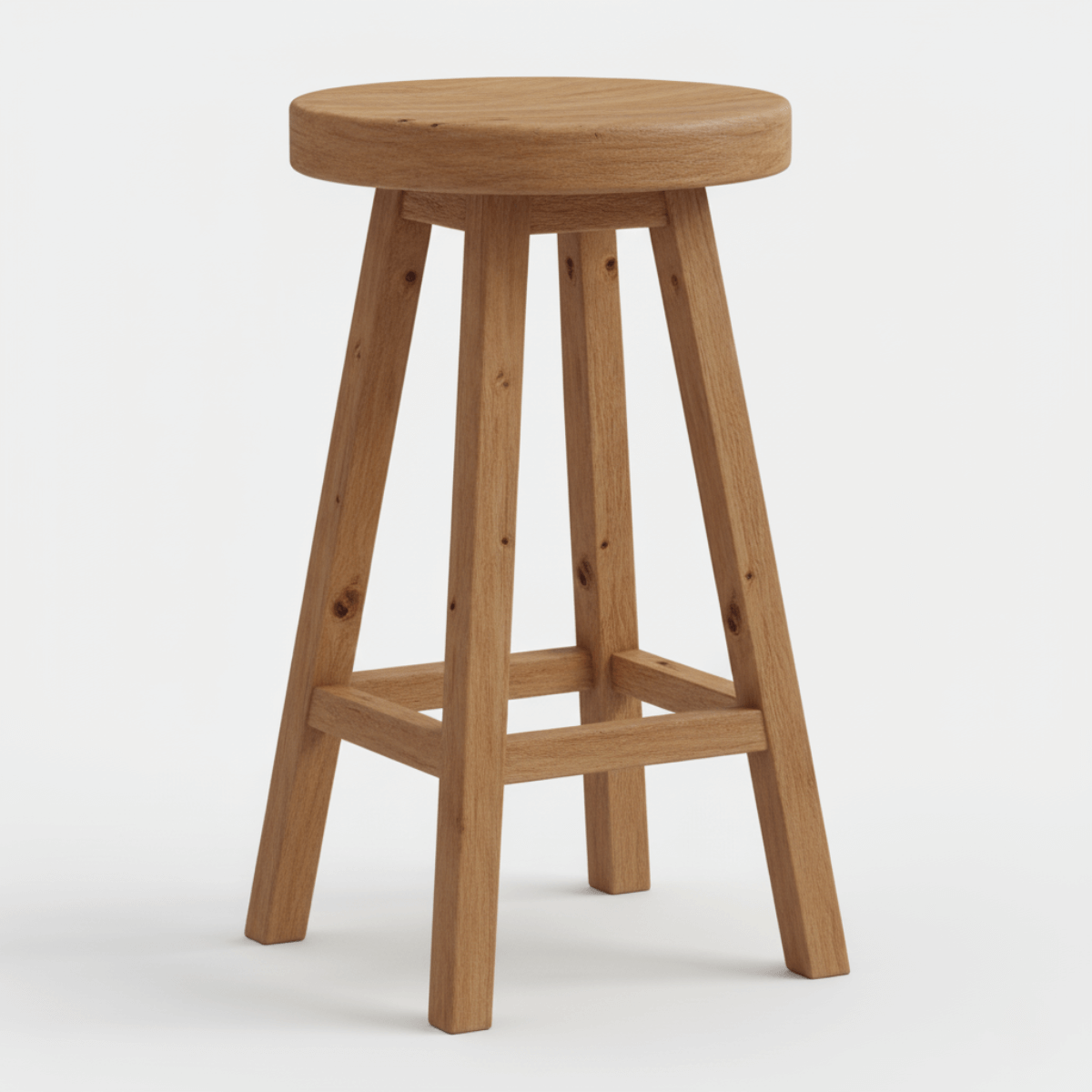
संतुलित रूप बनाने में सिर्फ रंग से कहीं अधिक शामिल है। आकार, बनावट और सामग्रियों के परस्पर क्रिया पर ध्यान दें। सद्भाव की भावना पैदा करने के लिए घुमावदार सिल्हूटों को सीधी रेखाओं के साथ मिलाएं। उदाहरण के लिए, एक आयताकार डाइनिंग टेबल को गोल कुर्सियों के साथ जोड़ें। अपने उदार गृह सजावट में दृश्य रुचि और गहराई जोड़ने के लिए धातु, लकड़ी, रतन और कांच जैसी विभिन्न सामग्रियों का परिचय दें। कुंजी बहुत अधिक बोल्ड तत्वों को एक साथ जोड़ने से बचना है। एक समृद्ध, स्तरित इंटीरियर प्राप्त करने के लिए चिकनी सतहों को देहाती बनावट और नरम कपड़ों को संरचित रूपों के साथ संतुलित करें।
सब कुछ एक साथ जोड़ने के लिए एंकर पीस का उपयोग करें
एंकर पीस बड़े, स्टेटमेंट आइटम होते हैं जो कमरे की शैली को परिभाषित करने और विपरीत तत्वों को एक साथ जोड़ने में मदद करते हैं। एक बड़ा एरिया रग, एक नाटकीय प्रकाश व्यवस्था, या सोफे या हेडबोर्ड जैसे फर्नीचर का एक महत्वपूर्ण टुकड़ा एक दृश्य एंकर के रूप में कार्य कर सकता है। ये फर्नीचर शैली संयोजन अंतरिक्ष को जमीनी बनाने में मदद करते हैं और अन्य, अधिक विविध टुकड़ों को जुड़ा हुआ महसूस कराते हैं। उदाहरण के लिए, एक फ़ारसी गलीचा एक आधुनिक सोफे और एक प्राचीन साइड टेबल को खूबसूरती से एकजुट कर सकता है, जिससे दोनों शैलियों के बीच एक पुल बन सकता है।
पुनरावर्ती तत्वों को शामिल करें
पुनरावृत्ति एक सरल लेकिन शक्तिशाली डिजाइन सिद्धांत है जो एक मिश्रित-शैली वाले कमरे को जानबूझकर और सुसंगत महसूस करा सकता है। पूरे स्थान में एक विशिष्ट रंग, आकार, सामग्री या पैटर्न को दोहराने से सब कुछ एक साथ जुड़ने में मदद मिलती है। उदाहरण के लिए, यदि आपके पास पीतल के फ्रेम वाला दर्पण है, तो आप पीतल के कैबिनेट हैंडल, एक लैंप बेस और छोटी सजावटी वस्तुओं के साथ उस धातु की फिनिश को दोहरा सकते हैं। यह सूक्ष्म पुनरावृत्ति एक दृश्य लय बनाता है जो आंख का मार्गदर्शन करता है और इंटीरियर को बेमेल दिखने से रोकता है।
व्यक्तिगत स्पर्श जोड़ें
अंत में, जगह को वास्तव में अपना बनाने के लिए व्यक्तिगत सामान जोड़ें। कलाकृति, यात्रा स्मृति चिन्ह, पारिवारिक तस्वीरें, किताबें और पौधे फर्नीचर शैलियों के बीच के अंतरों को नरम कर सकते हैं और कमरे को एकजुट कर सकते हैं। ये अद्वितीय घर स्टाइलिंग विचार आपकी कहानी बताते हैं और अंतरिक्ष में गर्मी और व्यक्तित्व भरते हैं। वस्तुओं का आपका व्यक्तिगत संग्रह एक अंतिम परत जोड़ता है जो आपके घर को जीवंत, प्यारा और आपके लिए पूरी तरह से अद्वितीय बनाता है।
आपका घर, आपकी शैली
फर्नीचर शैलियों का मिश्रण एक कला है, विज्ञान नहीं। यह एक ऐसा घर बनाने का अवसर है जो आपका अनूठा है, जिसे आप पसंद करते हैं ऐसे टुकड़ों से भरा है। एक स्पष्ट दृष्टि से शुरुआत करके, सामंजस्य बनाने के लिए रंग का उपयोग करके, और विभिन्न बनावटों और आकृतियों को संतुलित करके, आप आत्मविश्वास के साथ सजावट कर सकते हैं। प्रयोग करने से डरो मत। सबसे सुंदर घर अक्सर वे होते हैं जो एक अच्छी तरह से जिए गए जीवन को दर्शाते हैं, जिसमें खजानों का एक सुंदर और उदार मिश्रण होता है।