

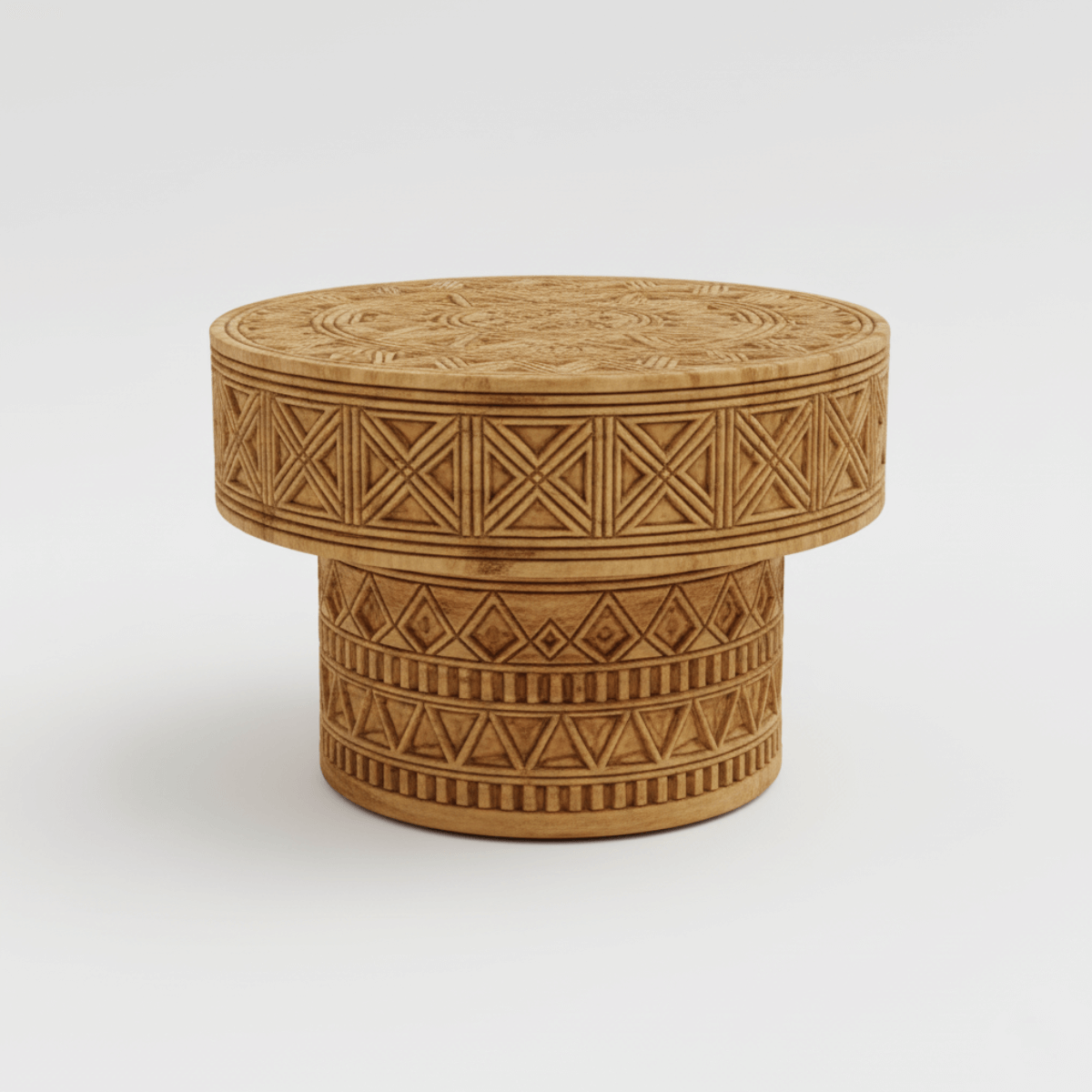
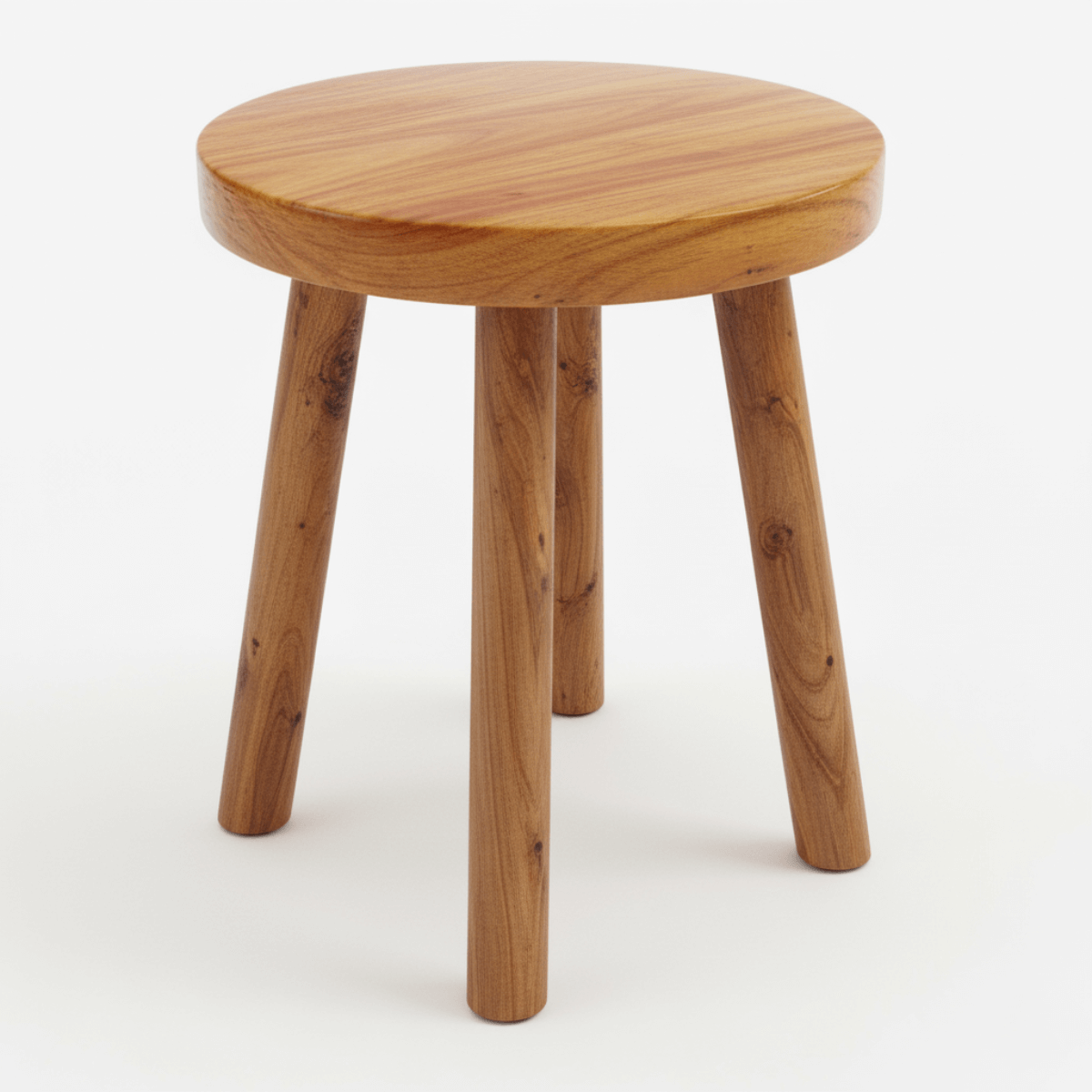
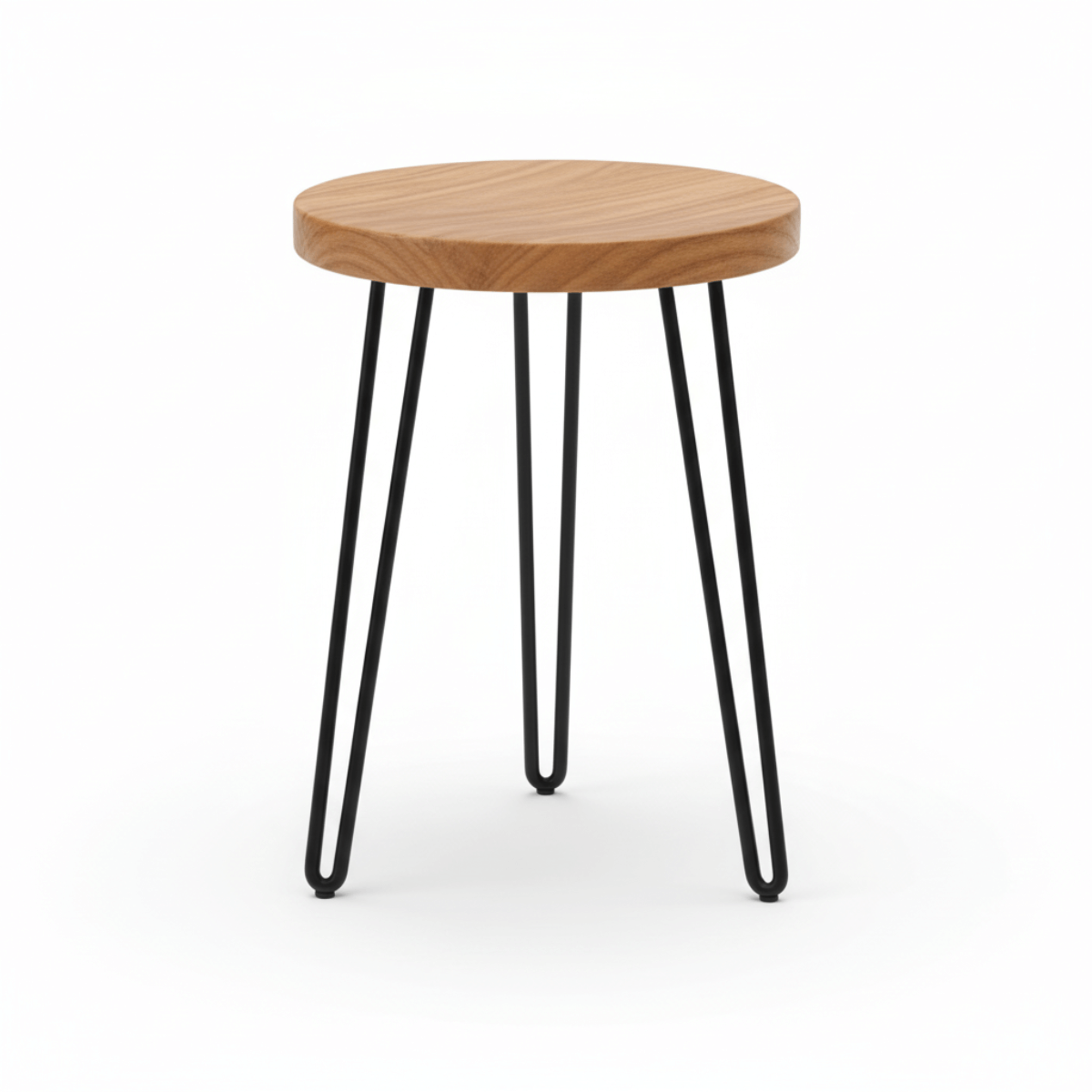
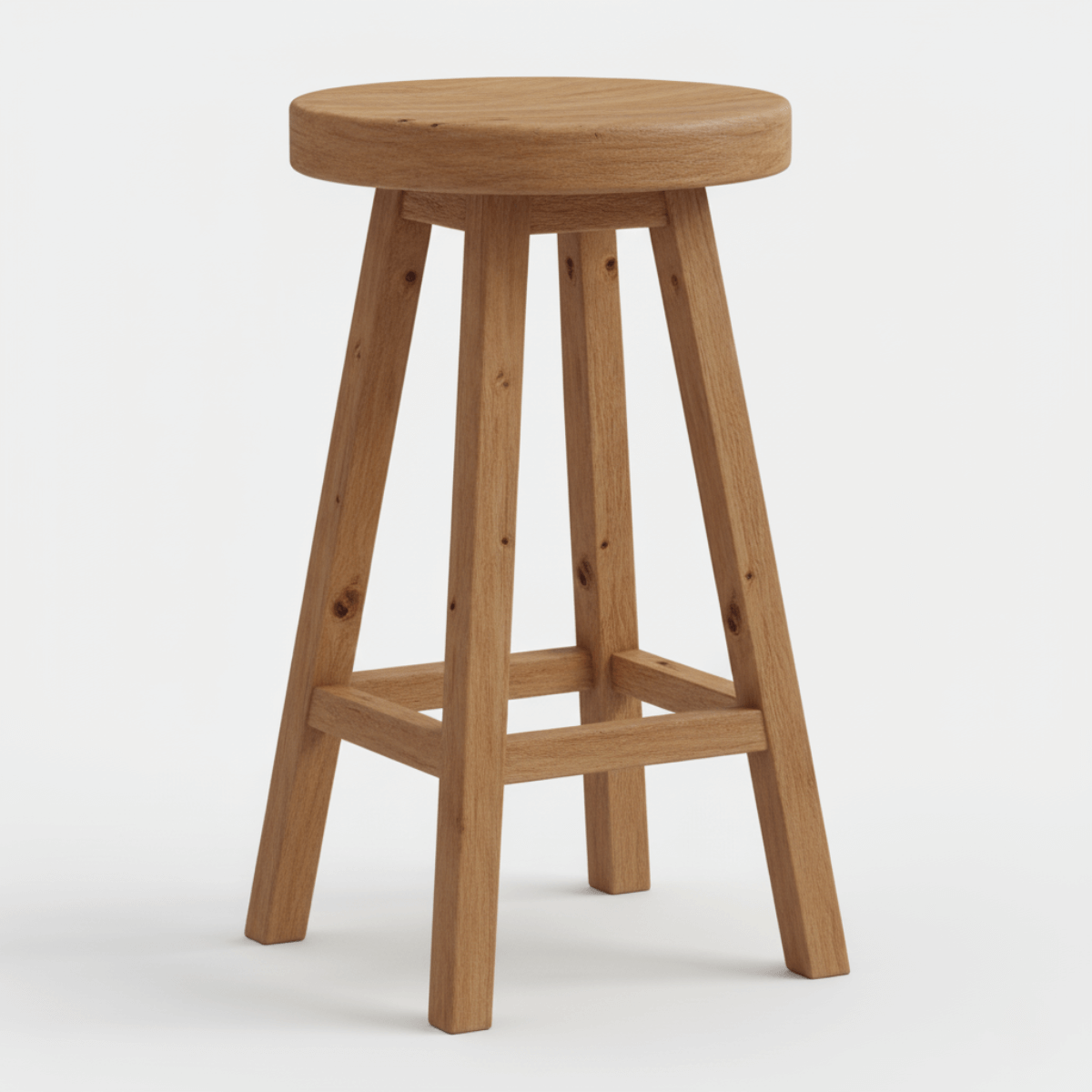
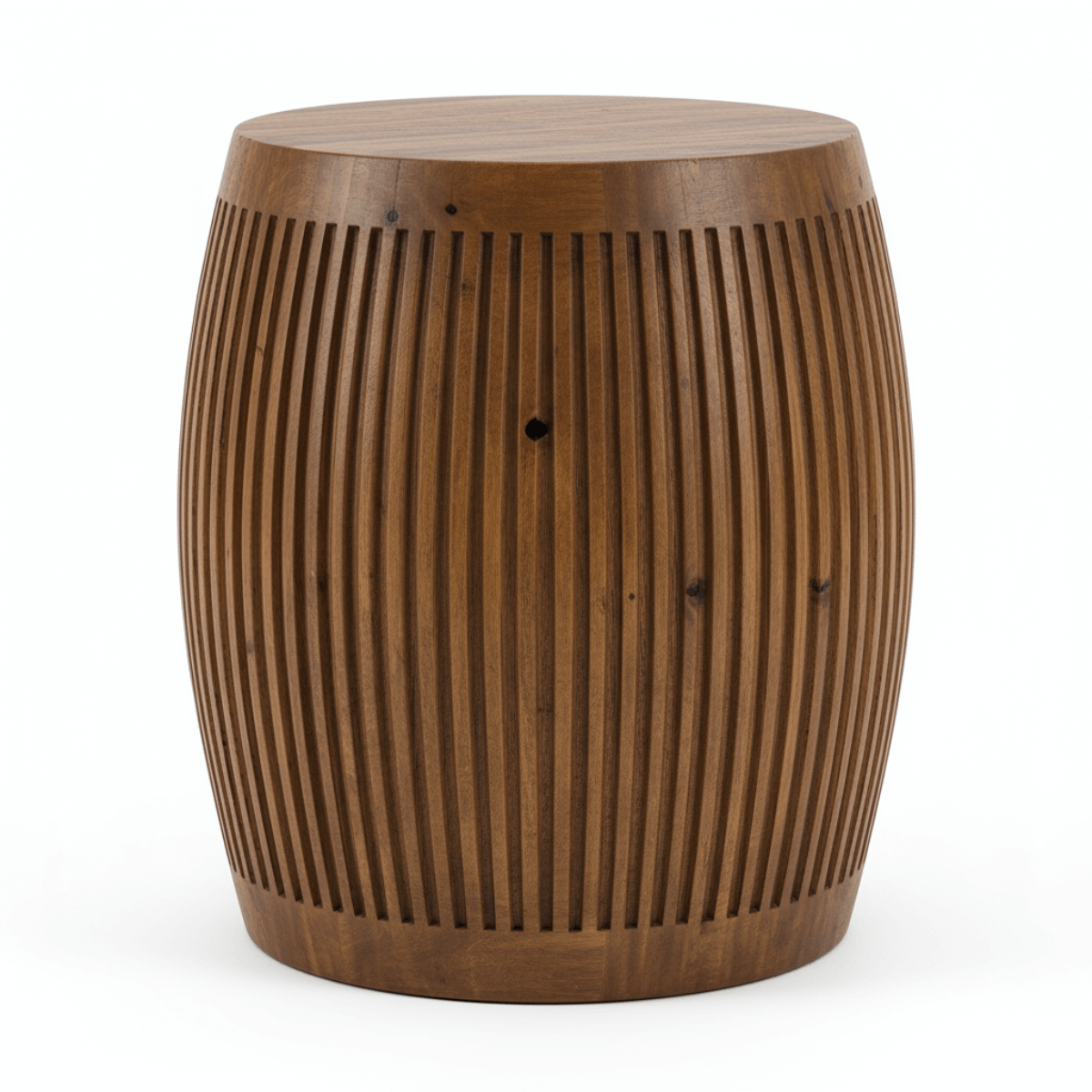
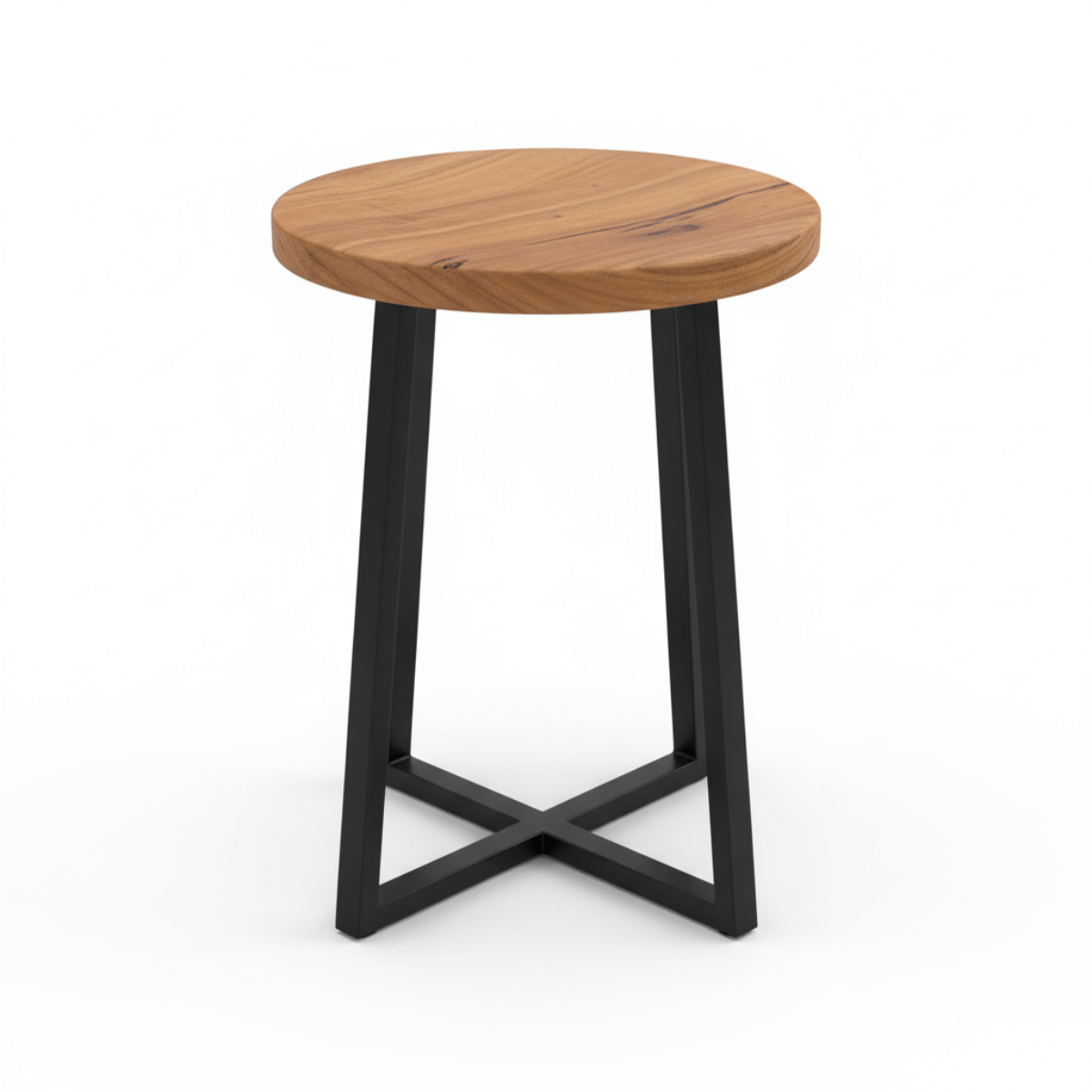
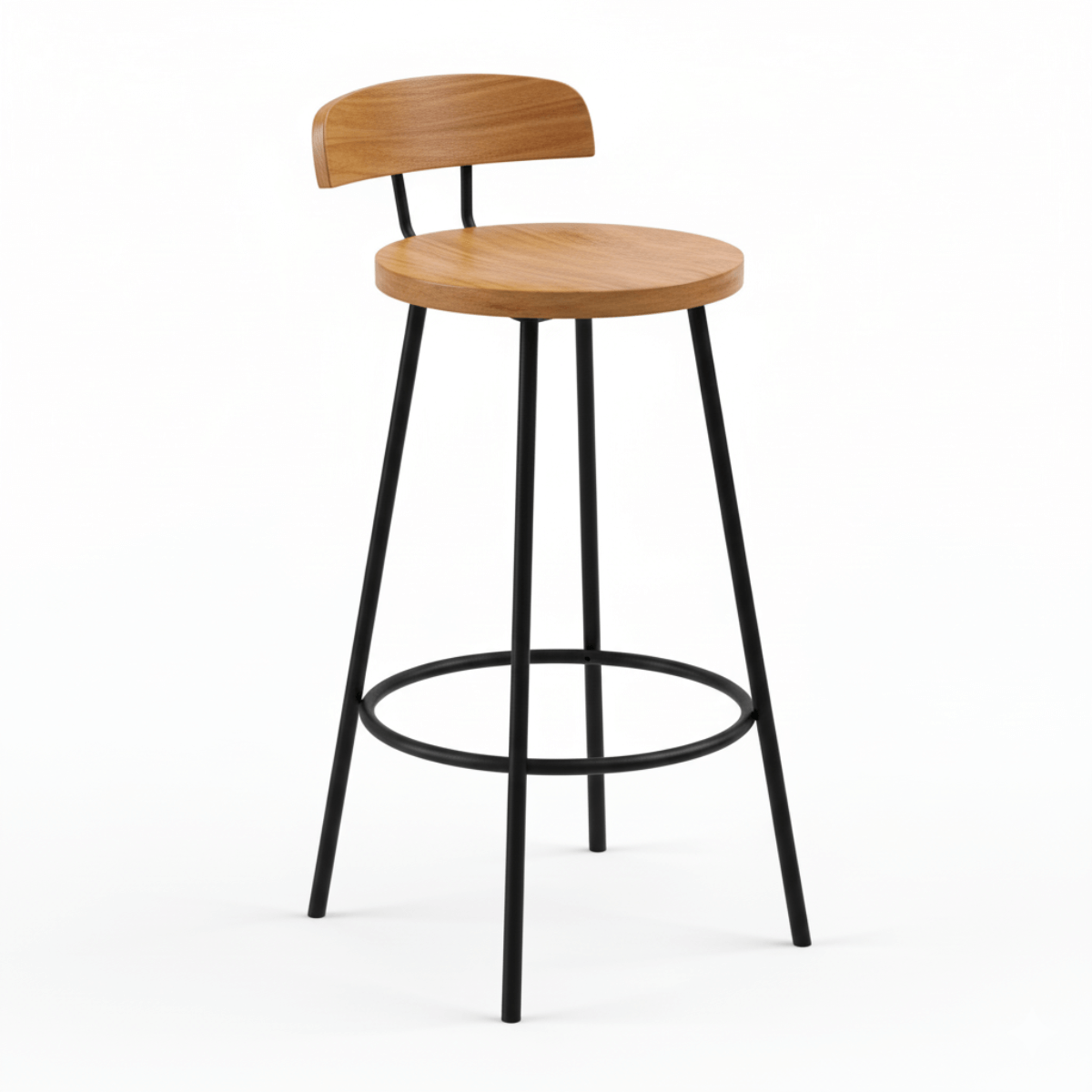


आप जिस प्रकार के फर्नीचर फ़िनिश चुनते हैं, वह सिर्फ़ यह तय नहीं करता कि आपका फर्नीचर कैसा दिखता है, बल्कि यह भी तय करता है कि वह कितने समय तक चलता है और उसे कितने रखरखाव की आवश्यकता होती है - जिससे आपके घर के लिए फर्नीचर खरीदते या उसका नवीनीकरण करते समय यह सबसे महत्वपूर्ण निर्णयों में से एक बन जाता है। चाहे आप अपनी प्राकृतिक गर्माहट के लिए मैट फ़िनिश वाले फर्नीचर को पसंद करते हों, आधुनिक सुंदरता के लिए चमकदार फर्नीचर फ़िनिश को, या विंटेज आकर्षण के लिए खराब दिखते फर्नीचर को - हर विकल्प अद्वितीय लाभ प्रदान करता है। यह मार्गदर्शिका आपको यह समझने में मदद करती है कि कौन सी फर्नीचर फ़िनिश आपकी आंतरिक शैली और जीवनशैली की ज़रूरतों से मेल खाती है।
फर्नीचर फ़िनिश क्या है?
फर्नीचर फ़िनिश लकड़ी के फर्नीचर की सतहों पर लगाया जाने वाला सुरक्षात्मक और सजावटी लेप है। इस फ़िनिश में लेक, तेल, मोम या वार्निश होता है और यह दोहरे उद्देश्यों को पूरा करता है: नमी, खरोंच और दाग से सुरक्षा प्रदान करना, जबकि आपकी इच्छित चमक का स्तर बनाना। चमक का स्तर पूरी तरह से मैट (कोई प्रतिबिंब नहीं) से लेकर हाई-ग्लॉस (अधिकतम प्रतिबिंब) तक होता है, जिसमें साटन फ़िनिश आराम से बीच में होती है।
सही फ़िनिश आपके फर्नीचर के जीवनकाल को महत्वपूर्ण रूप से बढ़ाती है। उचित सुरक्षा के बिना, लकड़ी दागदार हो सकती है, रंग बदल सकती है, या रोज़मर्रा के उपयोग से क्षतिग्रस्त हो सकती है।
मैट फ़िनिश फर्नीचर
विशेषताएँ और लाभ
मैट फ़िनिश फर्नीचर एक सपाट, गैर-परावर्तक सतह प्रदान करता है जो स्कैंडिनेवियाई, देहाती और समकालीन अंदरूनी हिस्सों के लिए एकदम सही है। यह फ़िनिश प्रकाश को परावर्तित करने के बजाय अवशोषित करती है, जिससे एक गर्म और स्वाभाविक रूप से प्रामाणिक उपस्थिति बनती है।
मुख्य लाभों में शामिल हैं:
- छोटी-मोटी खामियों, खरोंच और उंगलियों के निशानों को प्रभावी ढंग से छिपाता है
- एक प्रामाणिक, संयमित लकड़ी की उपस्थिति प्रदान करता है
- विंटेज और कंट्री-स्टाइल अंदरूनी हिस्सों के लिए आदर्श
- कम दृश्य रखरखाव की आवश्यकता होती है क्योंकि धूल और निशान कम ध्यान देने योग्य होते हैं
हालांकि, मैट फ़िनिश नमी और चिकनाई के दागों के प्रति अधिक संवेदनशील होते हैं। डाइनिंग टेबल के लिए, विशेषज्ञ अक्सर साटन फ़िनिश को एक व्यावहारिक समझौता के रूप में सुझाते हैं।
सर्वोत्तम अनुप्रयोग
बेडरूम वार्डरोब, सजावटी सामान और लिविंग रूम कैबिनेट के लिए मैट फ़िनिश का उपयोग करें जहाँ आप एक शांत, परिष्कृत रूप चाहते हैं। रसोई की मेज़ों जैसी अत्यधिक उपयोग की जाने वाली सतहों पर इस फ़िनिश से बचें जब तक कि आप नियमित रखरखाव दिनचर्या के लिए प्रतिबद्ध न हों।
चमकदार फर्नीचर फ़िनिश (हाई-ग्लॉस और साटन)
हाई-ग्लॉस बनाम साटन तुलना
चमकदार फर्नीचर फ़िनिश दो लोकप्रिय प्रकारों में आती है जो आपके स्थान में स्पष्ट रूप से अलग-अलग प्रभाव पैदा करते हैं।
हाई-ग्लॉस अधिकतम परावर्तनशीलता प्रदान करता है और फर्नीचर को एक चिकना, आधुनिक रूप देता है। दर्पण-चिकनी सतह प्रकाश को असाधारण रूप से अच्छी तरह से परावर्तित करती है, जो छोटे स्थानों के लिए एकदम सही है जिन्हें आप बड़ा दिखाना चाहते हैं। हाई-ग्लॉस अत्यधिक टिकाऊ और केवल एक नम कपड़े से साफ करने में आसान है।
नुकसान: उंगलियों के निशान और धूल तुरंत दिखाई देते हैं, और पेशेवर अनुप्रयोग की लागत अन्य फ़िनिश की तुलना में अधिक होती है।
साटन फ़िनिश आधुनिक घरों में सबसे अधिक चुना गया विकल्प है। यह मैट और हाई-ग्लॉस के बीच सूक्ष्म चमक प्रदान करता है - प्रभावशाली हुए बिना सुरुचिपूर्ण। साटन सर्वोत्तम सुविधाओं को जोड़ता है: आंशिक रूप से खामियों को छिपाने वाली परिष्कृत उपस्थिति के साथ उत्कृष्ट सुरक्षा।
प्रत्येक को कब चुनें
इसके लिए हाई-ग्लॉस चुनें:
- आधुनिक, न्यूनतम रसोईघर और समकालीन स्थान
- चमक और दृश्य विस्तार की आवश्यकता वाले छोटे कमरे
- नियमित सफाई और भारी उपयोग की आवश्यकता वाले फर्नीचर
इसके लिए साटन फ़िनिश चुनें:
- डाइनिंग टेबल और कॉफी टेबल
- क्लासिक और कालातीत आंतरिक योजनाएँ
- पारिवारिक घर जहाँ व्यावहारिक रखरखाव सबसे अधिक मायने रखता है
खराब दिखते फर्नीचर फ़िनिश (विंटेज लुक)
खराब दिखते फ़िनिश विशेषताएँ
एक खराब दिखते फर्नीचर फ़िनिश जानबूझकर नए टुकड़ों को पुराना और खराब दिखने वाला बनाता है। यह तकनीक प्रामाणिक चरित्र के साथ घटिया-ठाठ या बोहेमियन शैलियों का निर्माण करती है। विशिष्ट विशेषताओं में घिसे हुए किनारे, टूटे हुए पेंट के माध्यम से दिखाई देने वाले लकड़ी के दाने और एक मैट पैटिना शामिल हैं जो कहानियाँ कहता है।
खराब दिखते फ़िनिश अक्सर अतिरिक्त प्रामाणिकता के लिए चाक पेंट के साथ जुड़ते हैं। प्रमुख लाभ? नए खरोंच और टूट-फूट मुश्किल से दिखाई देते हैं - वे वास्तव में विंटेज चरित्र को बढ़ाते हैं बजाय इसके कि उसे कम करें।
खराब दिखते लुक बनाना
जो लोग अपना खुद का खराब दिखते फर्नीचर बनाना चाहते हैं, उनके लिए:
- अपने चुने हुए रंग में चाक पेंट से शुरू करें
- किनारों, कोनों और उभरे हुए क्षेत्रों पर रणनीतिक रूप से सैंड करें
- प्राकृतिक पेंट चिप्स बनाने के लिए पुट्टी चाकू का उपयोग करें
- सुरक्षा और गहराई के लिए मैट वैक्स के साथ समाप्त करें
पेशेवर फर्नीचर रिफ़िनिशर गाय की पूंछ (घुमावदार ब्रश के निशान) और नकली वर्म होल प्रभाव जैसी उन्नत तकनीकों का उपयोग करके प्रामाणिक खराब दिखते फ़िनिश भी लगा सकते हैं।
फर्नीचर फ़िनिश चुनना: आपके लिए सबसे अच्छा कौन सा है?
फर्नीचर फ़िनिश के प्रकार चुनते समय, कई कारक आपके निर्णय को प्रभावित करते हैं। सूचित विकल्प के लिए इस तुलना तालिका का उपयोग करें।
| फ़िनिश का प्रकार | के लिए सर्वोत्तम | रखरखाव | सौंदर्यशास्त्र |
|---|---|---|---|
| मैट | बेडरूम, सजावटी सामान | मध्यम | प्राकृतिक, गर्म |
| साटन | डाइनिंग टेबल, अधिक उपयोग वाले फर्नीचर | कम | सुरुचिपूर्ण, बहुमुखी |
| हाई-ग्लॉस | आधुनिक रसोईघर, छोटे स्थान | कम | चिकना, समकालीन |
| खराब दिखते | विंटेज अंदरूनी हिस्से, बोहेमियन शैली | बहुत कम | चरित्रपूर्ण, प्रामाणिक |
महत्वपूर्ण विचार:
- प्राकृतिक प्रकाश व्यवस्था: चमकदार फ़िनिश प्रकाश को परावर्तित करते हैं; मैट इसे अवशोषित करता है
- पारिवारिक जीवनशैली: बच्चों और पालतू जानवरों के साथ, साटन या खराब दिखते फ़िनिश अधिक व्यावहारिक साबित होते हैं
- आंतरिक डिजाइन शैली: कंट्री स्टाइल मैट या विंटेज के अनुकूल हैं; आधुनिक को चमक की आवश्यकता होती है
- फर्नीचर का कार्य: डाइनिंग टेबल हमेशा सुरक्षात्मक कोटिंग परतों से लाभान्वित होते हैं
प्रत्येक फ़िनिश प्रकार के अनुसार रखरखाव
मैट फ़िनिश फर्नीचर के लिए: सूखे कपड़े से नियमित रूप से धूल झाड़ें। जब भी संभव हो गीली सफाई को कम करें। जिद्दी दागों के लिए, विशेष मैट पॉलिश उत्पादों का उपयोग करें। इष्टतम सुरक्षा और उपस्थिति के लिए सालाना ताज़ा वैक्स लगाएं।
चमकदार फर्नीचर फ़िनिश के लिए: हाई-ग्लॉस और साटन बहुत रखरखाव-अनुकूल हैं। नम माइक्रोफाइबर कपड़े और हल्के साबुन के घोल से साफ करें। कभी भी अपघर्षक क्लीनर या खुरदरी सामग्री का उपयोग न करें। विशेष रूप से हाई-ग्लॉस के लिए, विशेषज्ञ दर्पण जैसी चमक बनाए रखने के लिए विशेष फर्नीचर पॉलिश की सलाह देते हैं।
खराब दिखते फर्नीचर फ़िनिश के लिए: खराब दिखते फ़िनिश की सुंदरता? उन्हें न्यूनतम रखरखाव की आवश्यकता होती है। सूखे कपड़े से धूल झाड़ें और इस तथ्य को स्वीकार करें कि नए खरोंच केवल प्रामाणिक चरित्र को बढ़ाते हैं। दीर्घायु के लिए मैट सीलिंग वैक्स से सुरक्षित रखें।
आपके घर के लिए एकदम सही फर्नीचर फ़िनिश
मैट और चमकदार फर्नीचर के बीच का अंतर सौंदर्य प्रसाधन से परे है - यह रखरखाव आवश्यकताओं, वातावरण और कार्यक्षमता को प्रभावित करता है। मैट फ़िनिश गर्माहट प्रदान करते हैं और खामियों को छिपाते हैं, चमकदार फ़िनिश आधुनिक सुंदरता और सरल सफाई प्रदान करते हैं, जबकि खराब दिखते लुक चरित्र और कहानी कहने वाले तत्व जोड़ते हैं।
मेरे इंटीरियर के लिए कौन सी फर्नीचर फ़िनिश उपयुक्त है? अपनी जीवनशैली, डिजाइन वरीयताओं और रखरखाव प्रतिबद्धता के स्तर की जांच करके इसका उत्तर दें। व्यस्त परिवारों के लिए, साटन फ़िनिश अक्सर सुनहरा मध्य मार्ग साबित होता है। प्राकृतिक प्रामाणिकता प्रेमी मैट चुनते हैं। डिजाइन उत्साही हाई-ग्लॉस परिष्कार का विकल्प चुनते हैं।
पेशेवर फर्नीचर रिफ़िनिशिंग पर विचार कर रहे हैं? विशेषज्ञ रिफ़िनिशर सभी चमक स्तरों की पेशकश करते हैं और आपके विशिष्ट टुकड़ों और आवश्यकताओं के लिए सर्वोत्तम विकल्प पर सलाह दे सकते हैं। सही फ़िनिश पसंद के साथ, आपका फर्नीचर दशकों तक सुंदर बना रहता है - एक ऐसा निवेश जो सौंदर्यशास्त्र और स्थायित्व दोनों में लाभ देता है।
अक्सर पूछे जाने वाले प्रश्न:
प्रश्न: डाइनिंग टेबल के लिए मैट या ग्लॉस बेहतर है?
उत्तर: नमी और दाग के खिलाफ बेहतर सुरक्षा के कारण डाइनिंग टेबल के लिए साटन या हाई-ग्लॉस सबसे अच्छा काम करता है।
प्रश्न: क्या मैं खुद खराब दिखते लुक बना सकता हूँ?
उत्तर: हाँ, चाक पेंट, सैंडपेपर और एक पुट्टी चाकू से आप घर पर पेशेवर दिखने वाले विंटेज फ़िनिश प्राप्त कर सकते हैं।
प्रश्न: मुझे मैट फर्नीचर का रखरखाव कितनी बार करना चाहिए?
उत्तर: आदर्श रूप से, इष्टतम सुरक्षा और उपस्थिति प्रतिधारण के लिए सालाना ताज़ा वैक्स की एक परत लगाएं।