



परिचय: बदलता वैश्विक फर्नीचर परिदृश्य
दुनिया भर में फर्नीचर डिज़ाइन विकसित हो रहा है क्योंकि उपभोक्ता यह फिर से परिभाषित कर रहे हैं कि उनके रहने और काम करने की जगह कैसी होनी चाहिए। संयुक्त राज्य अमेरिका, यूनाइटेड किंगडम, नीदरलैंड और कनाडा जैसे प्रमुख बाजारों में, फर्नीचर को अब केवल एक कार्यात्मक आवश्यकता के रूप में नहीं देखा जाता है, बल्कि जीवन शैली और व्यक्तिगत पहचान के विस्तार के रूप में देखा जाता है। आज के खरीदार गुणवत्ता, स्थिरता और शिल्प कौशल के प्रति अधिक जागरूक हैं, ऐसे टुकड़े चुन रहे हैं जो दीर्घकालिक मूल्य बनाए रखते हुए भावनात्मक आराम पैदा करते हैं। ये बाजार वैश्विक डिजाइन दिशाओं को प्रभावित करते हैं, जिससे निर्माताओं और निर्यातकों के लिए बदलती प्राथमिकताओं को समझना आवश्यक हो जाता है।
आधुनिक फर्नीचर विकल्पों को चलाने वाली स्थिरता
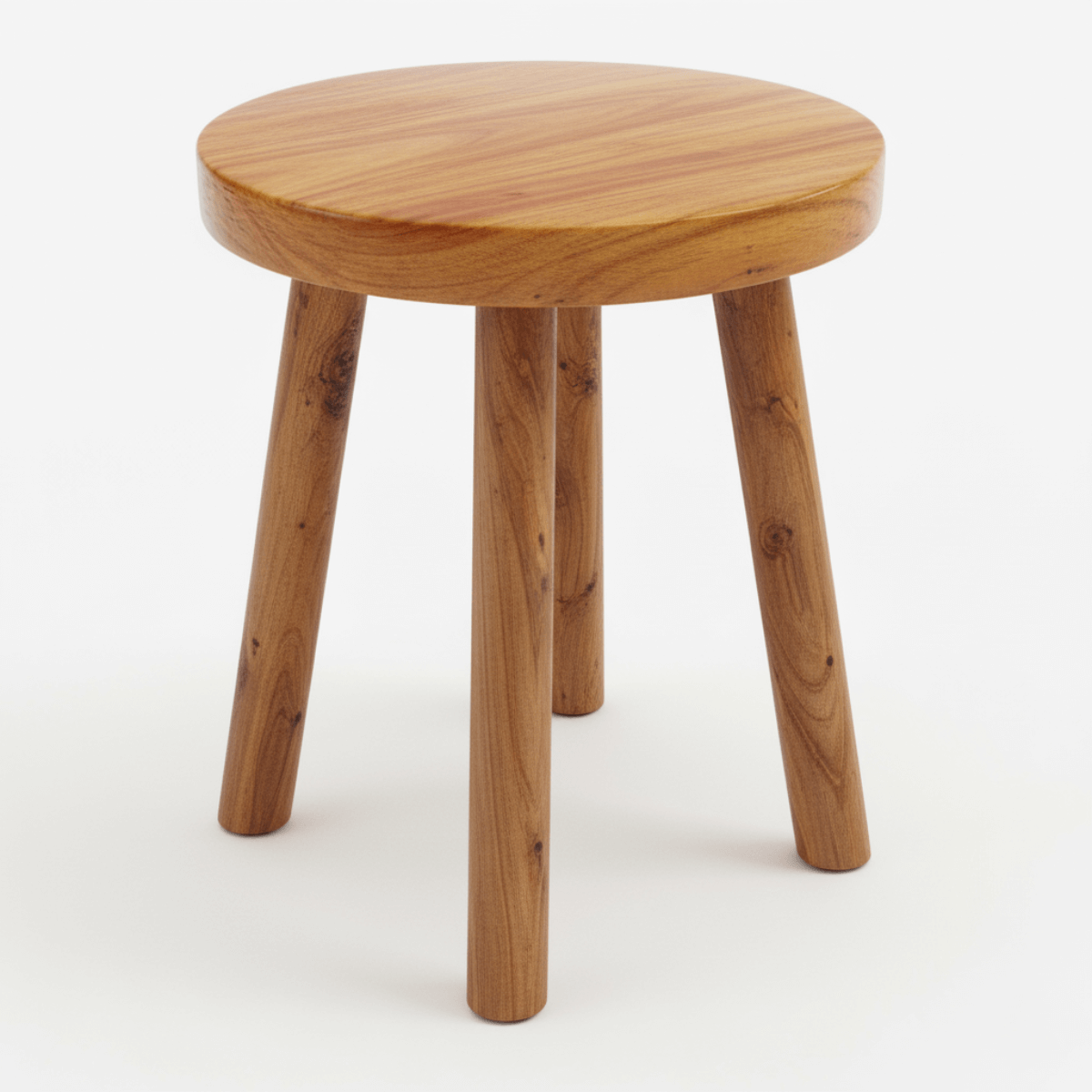
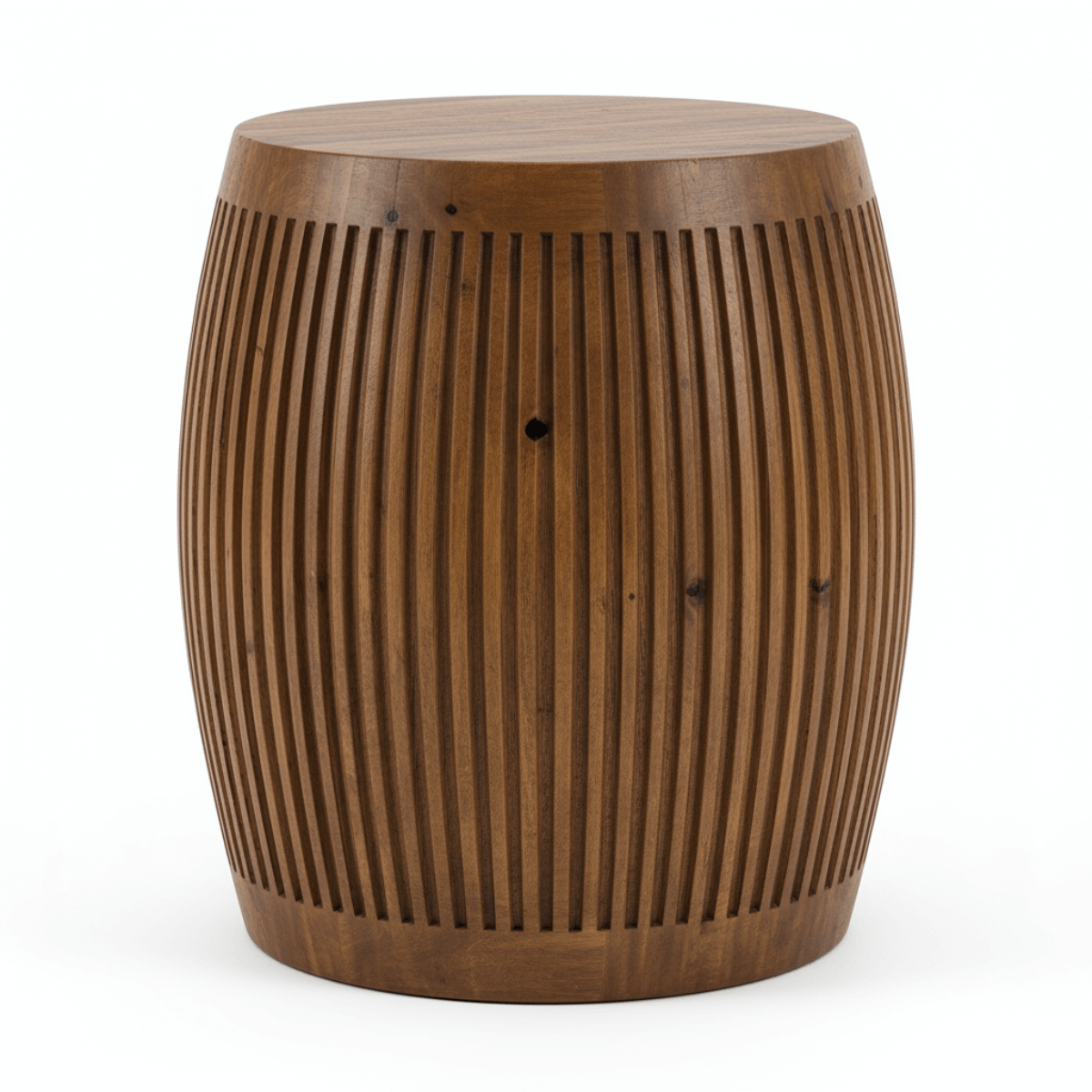
इन क्षेत्रों में फर्नीचर की मांग को आकार देने वाली सबसे मजबूत ताकतों में से एक स्थिरता है। उपभोक्ता सक्रिय रूप से डिस्पोजेबल फर्नीचर से दूर हो रहे हैं और ऐसे टुकड़ों में निवेश कर रहे हैं जो लंबे समय तक चलते हैं और पर्यावरणीय प्रभाव को कम करते हैं। विशेष रूप से नीदरलैंड और कनाडा में, पर्यावरण के प्रति जिम्मेदार उत्पादन एक प्रमुख खरीद कारक बन गया है, जबकि अमेरिका और ब्रिटेन में खरीदार तेजी से प्राकृतिक सामग्रियों से बने फर्नीचर को पसंद करते हैं जो समय के साथ खूबसूरती से पुराने हो जाते हैं। ठोस लकड़ी के फर्नीचर ने फिर से लोकप्रियता हासिल की है क्योंकि यह स्थायित्व, प्रामाणिकता और जिम्मेदार खपत का प्रतिनिधित्व करता है। जोर अब बार-बार बदलने पर नहीं, बल्कि विचारशील स्वामित्व पर है। पिंडल हैंडीक्राफ्ट का हस्तनिर्मित लकड़ी के फर्नीचर पर ध्यान स्वाभाविक रूप से इस वैश्विक आंदोलन के साथ संरेखित होता है, जो ऐसे उत्पाद प्रदान करता है जो दीर्घायु को पर्यावरण के प्रति जागरूक शिल्प कौशल के साथ जोड़ते हैं।
वार्म मिनिमलिज्म का उदय
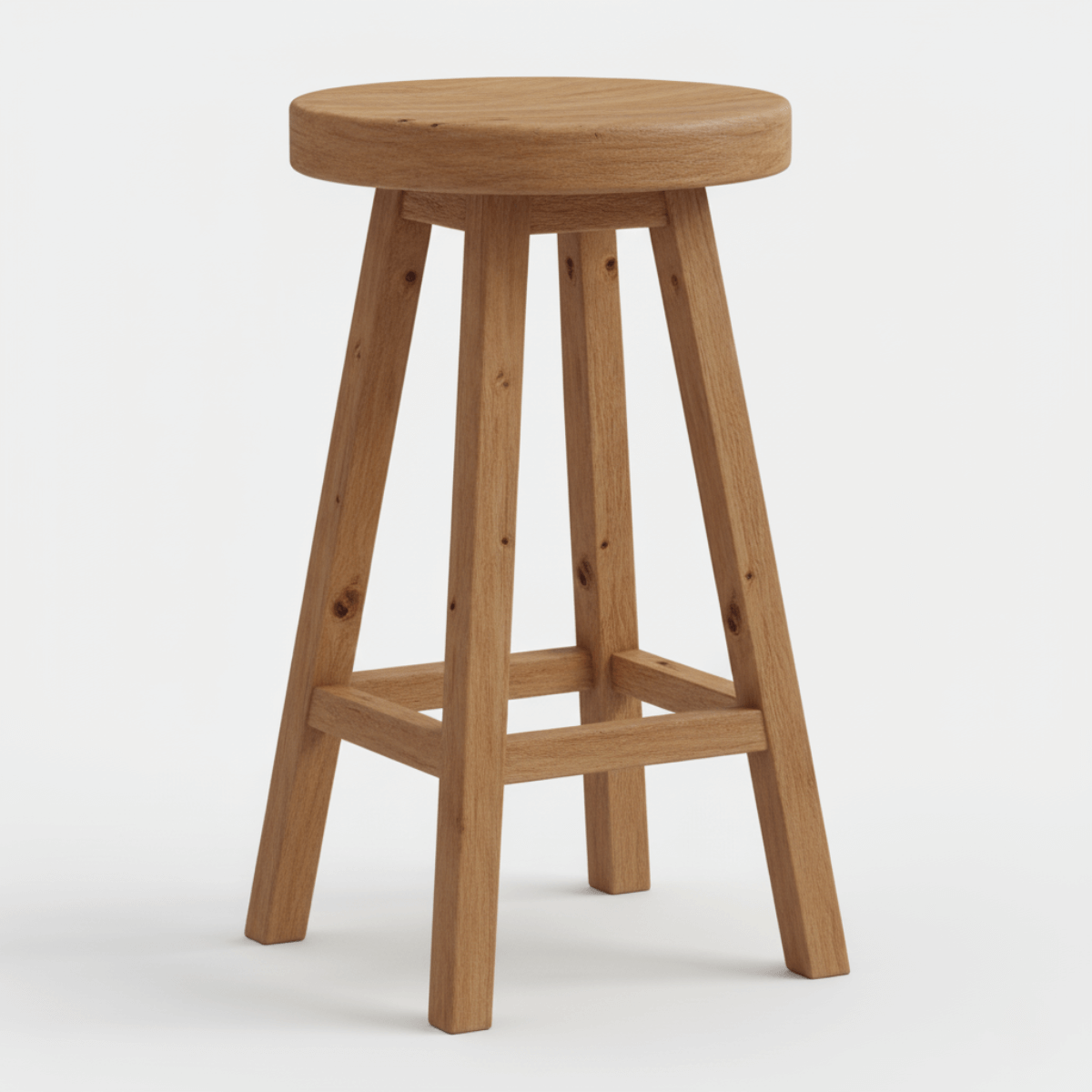
पूरे यूरोप और उत्तरी अमेरिका में मिनिमलिज्म अंदरूनी हिस्सों को प्रभावित करना जारी रखता है, लेकिन यह एक गर्म और अधिक आकर्षक रूप में विकसित हुआ है। आधुनिक घर अब ठंडे या अत्यधिक कठोर स्थानों को गले नहीं लगाते हैं। इसके बजाय, डिजाइनर प्राकृतिक बनावट और सूक्ष्म विवरणों से समृद्ध शांत वातावरण बना रहे हैं। यूके और डच बाजारों में, साफ लाइनों और संतुलित अनुपातों वाले फर्नीचर को अत्यधिक पसंद किया जाता है, जिससे लकड़ी जैसी सामग्री दृश्य हाइलाइट बन जाती है। वार्म मिनिमलिज्म शून्यता के बजाय आराम, सादगी और सद्भाव पर केंद्रित है। फर्नीचर के टुकड़ों को परिष्कृत फिर भी सुलभ महसूस करने के लिए डिज़ाइन किया गया है, जो ऐसे अंदरूनी हिस्से बनाते हैं जो विश्राम को बढ़ावा देते हैं। पिंडल हैंडीक्राफ्ट के डिज़ाइन प्राकृतिक फिनिश और कालातीत सिल्हूटों पर जोर देकर इस बदलाव को दर्शाते हैं जो समकालीन रहने वाले स्थानों के पूरक हैं।
जैविक आकार और नरम डिजाइन भाषा
पूरे संयुक्त राज्य अमेरिका और कनाडा में, फर्नीचर डिजाइन तेजी से प्रकृति में पाए जाने वाले कार्बनिक रूपों से प्रेरित है। तेज किनारों और कठोर ज्यामिति को धीरे-धीरे घुमावदार सिल्हूट और बहने वाली संरचनाओं से बदला जा रहा है जो एक नरम दृश्य अनुभव बनाते हैं। गोल डाइनिंग टेबल, मूर्तिकला बैठने की जगह, और धीरे से घुमावदार हेडबोर्ड अंदरूनी हिस्सों में योगदान करते हैं जो स्वागत योग्य और आरामदायक महसूस करते हैं। यह प्रवृत्ति ऐसे स्थानों के लिए एक व्यापक इच्छा को दर्शाती है जो यांत्रिक के बजाय मानव-केंद्रित महसूस करते हैं। हस्तनिर्मित फर्नीचर इस आंदोलन में एक महत्वपूर्ण भूमिका निभाता है क्योंकि कारीगर प्रक्रियाएं स्वाभाविक रूप से चरित्र और सूक्ष्म भिन्नता को पेश करती हैं। शिल्प कौशल के प्रति अपने समर्पण के माध्यम से, पिंडल हैंडीक्राफ्ट ऐसा फर्नीचर बनाता है जो आधुनिक सौंदर्यशास्त्र को प्राकृतिक अभिव्यक्ति के साथ संतुलित करता है।
सामग्री कहानी और बनावट की गहराई
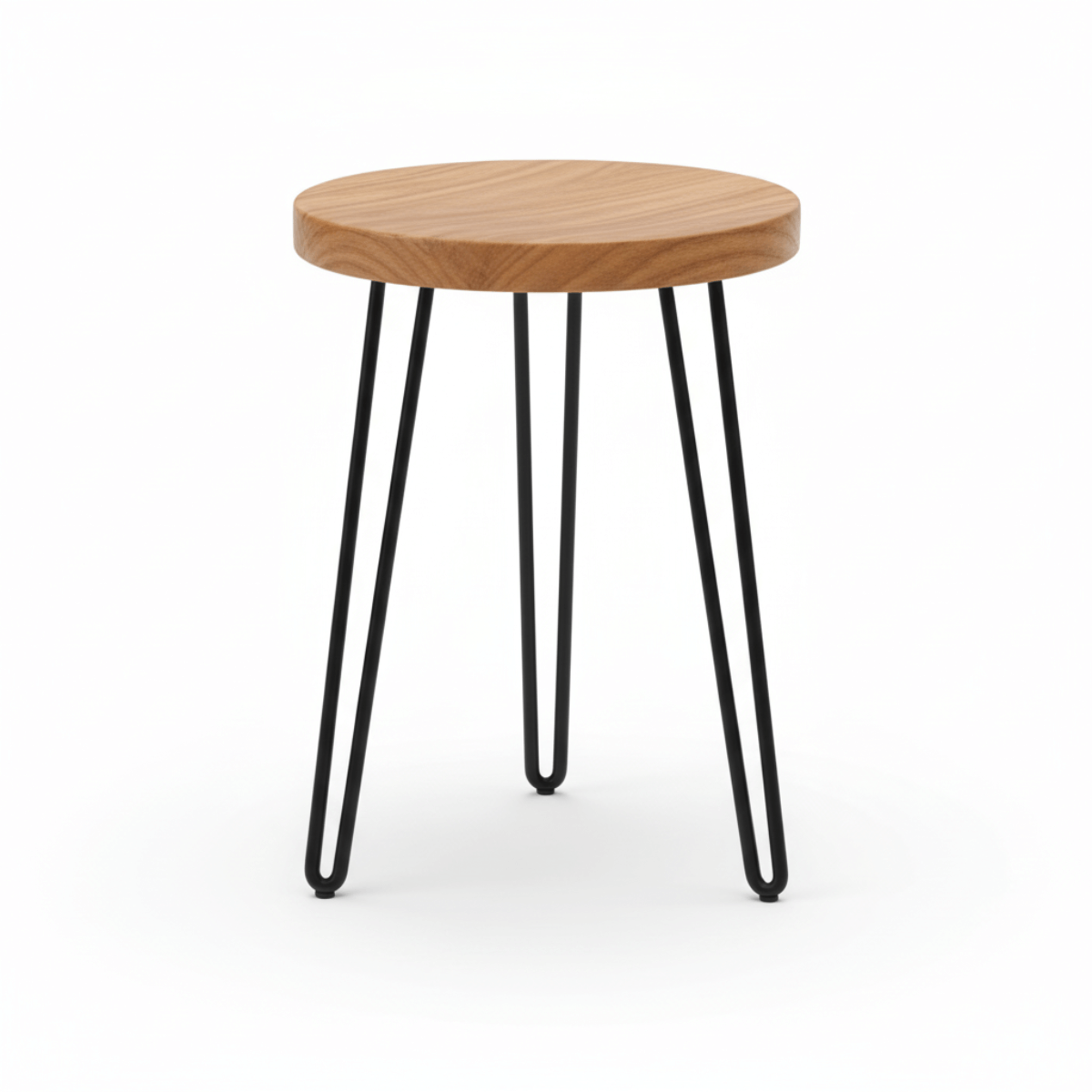
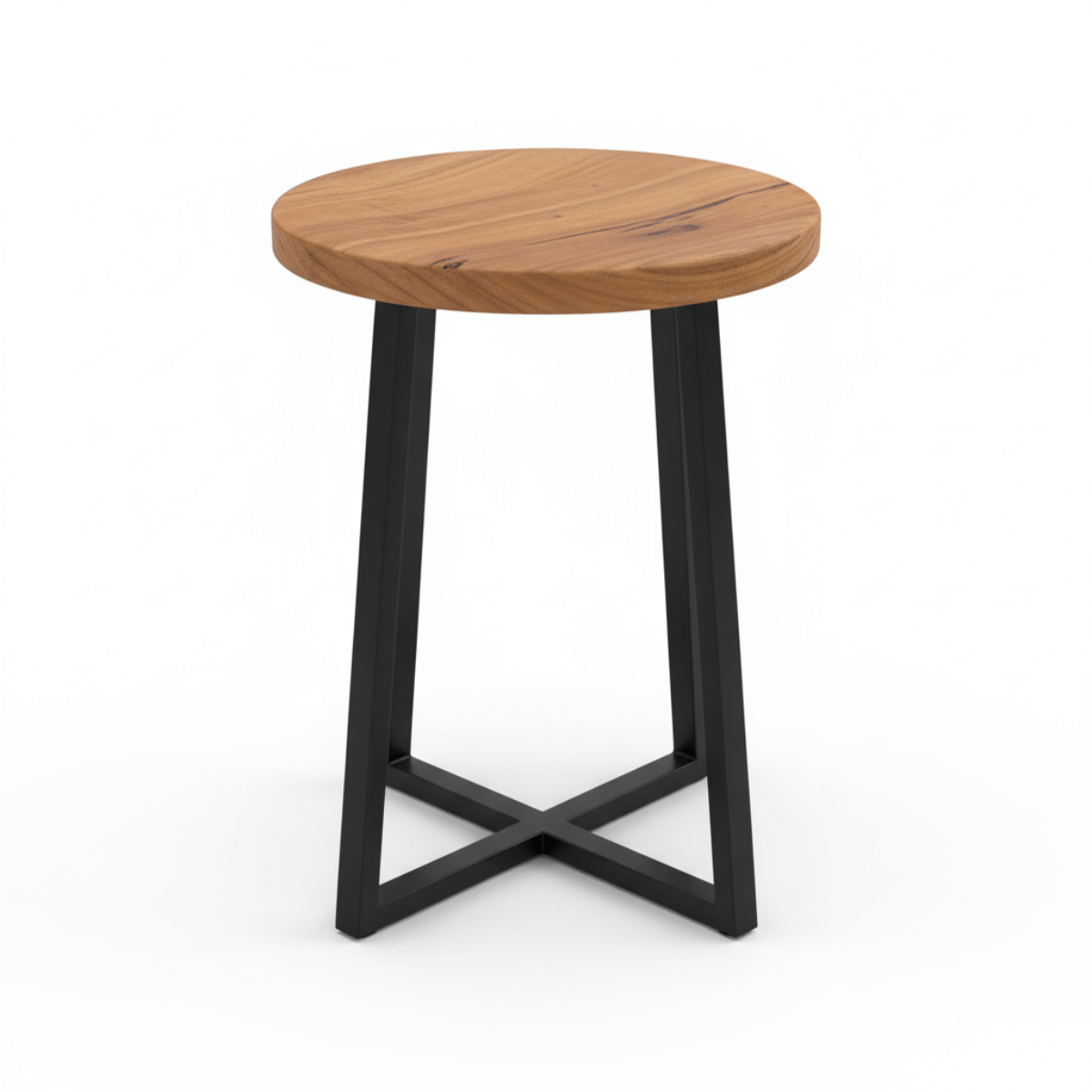
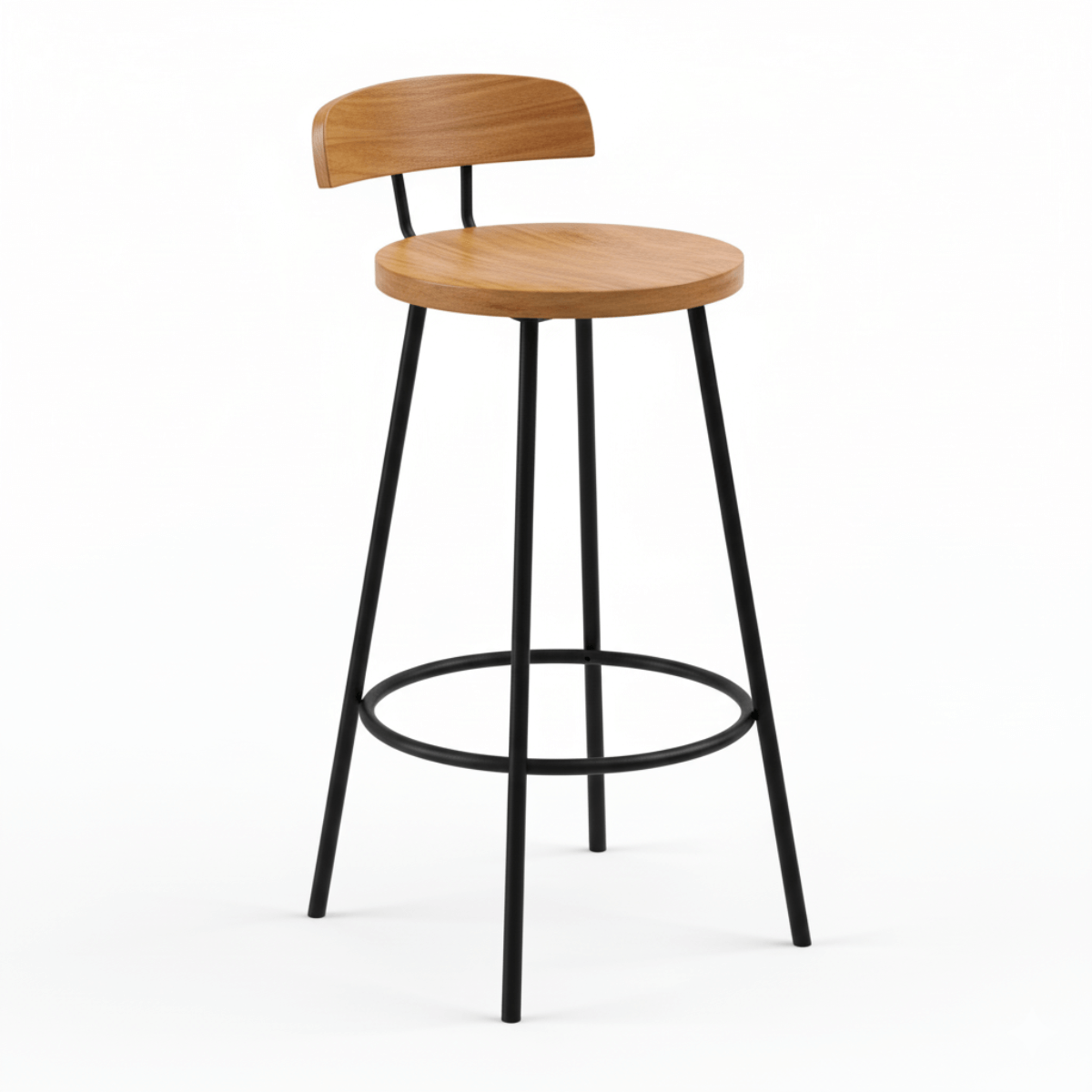
इन बाजारों में एक और परिभाषित प्रवृत्ति बनावट और सामग्री विरोधाभास के लिए बढ़ती प्रशंसा है। अंदरूनी भाग समान फिनिश से आगे बढ़ रहे हैं और ऐसे संयोजनों को गले लगा रहे हैं जो दृश्य समृद्धि जोड़ते हैं। धातु के लहजे के साथ लकड़ी, बुने हुए बेंत के तत्व, और फर्नीचर डिजाइन में एकीकृत प्राकृतिक कपड़े गहराई की परतें बनाते हैं जो रिक्त स्थान को अधिक गतिशील महसूस कराते हैं। नीदरलैंड और यूके में स्कैंडिनेवियाई प्रभाव हल्के स्वर और जैविक बनावट को प्रोत्साहित करते हैं, जबकि उत्तरी अमेरिकी अंदरूनी हिस्से अक्सर समकालीन औद्योगिक विवरणों के साथ देहाती गर्मी को जोड़ते हैं। फर्नीचर की अब केवल उसके आकार के लिए ही नहीं, बल्कि सामग्री के माध्यम से बताई गई कहानी के लिए भी सराहना की जाती है। पारंपरिक वुडवर्किंग में पिंडल हैंडीक्राफ्ट की विशेषज्ञता प्रत्येक टुकड़े को प्राकृतिक सामग्रियों की सुंदरता को उजागर करने की अनुमति देती है, जबकि विविध अंतरराष्ट्रीय शैलियों के अनुकूल होती है।
आधुनिक जीवन के लिए डिज़ाइन किया गया फर्नीचर
शहरी जीवन शैली ने फर्नीचर वरीयताओं को महत्वपूर्ण रूप से प्रभावित किया है, विशेष रूप से लंदन, टोरंटो और न्यूयॉर्क जैसे शहरों में जहां अंतरिक्ष दक्षता आवश्यक है। आज के घर कई उद्देश्यों की पूर्ति करते हैं, जो कार्यस्थल, मनोरंजन क्षेत्र और व्यक्तिगत विश्राम स्थल के रूप में कार्य करते हैं। नतीजतन, खरीदार ऐसे फर्नीचर की तलाश करते हैं जो सौंदर्य अपील को बनाए रखते हुए दैनिक जीवन में सहज रूप से एकीकृत हो। अच्छी तरह से डिज़ाइन किया गया लकड़ी का फर्नीचर जो आराम, अनुकूलनशीलता और दृश्य संतुलन प्रदान करता है, तेजी से वांछनीय हो गया है। अंदरूनी हिस्सों को अभिभूत करने के बजाय, फर्नीचर से अपेक्षा की जाती है कि वह लालित्य को संरक्षित करते हुए कार्यक्षमता को बढ़ाए। पिंडल हैंडीक्राफ्ट स्थायित्व शिल्प कौशल के साथ व्यावहारिकता को संयोजित करने वाले डिजाइन बनाकर इस मांग का जवाब देता है।
स्टेटमेंट क्राफ्ट्समैनशिप की वापसी
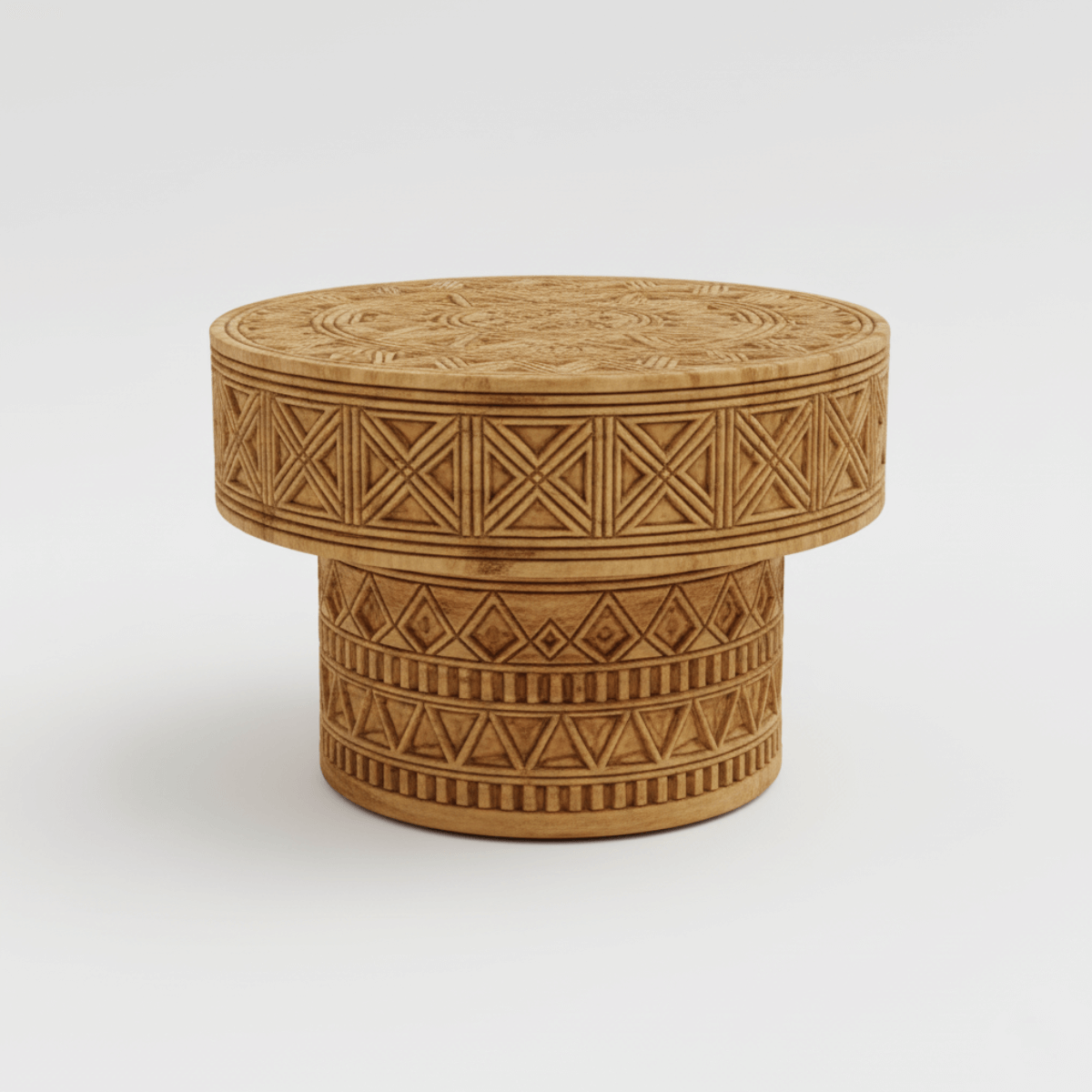
जबकि न्यूनतम अंदरूनी भाग लोकप्रिय बने हुए हैं, बयान फर्नीचर के टुकड़ों के लिए बढ़ती प्रशंसा है जो कलात्मकता को प्रदर्शित करते हैं। कई घर के मालिक अब एक विशिष्ट तत्व में निवेश करना पसंद करते हैं जो एक कमरे को लंगर डालता है और व्यक्तित्व को दर्शाता है। एक हस्तनिर्मित डाइनिंग टेबल या एक खूबसूरती से विस्तृत कैबिनेट अक्सर एक स्थान का भावनात्मक केंद्रबिंदु बन जाता है। यह प्रवृत्ति हस्तनिर्मित फर्नीचर और इसके पीछे के मानवीय कौशल के लिए एक नए सम्मान का संकेत देती है। उपभोक्ता तेजी से प्रामाणिकता की ओर आकर्षित हो रहे हैं, ऐसे टुकड़ों को महत्व दे रहे हैं जो बड़े पैमाने पर उत्पादित होने के बजाय अद्वितीय महसूस करते हैं। पिंडल हैंडीक्राफ्ट पारंपरिक शिल्प कौशल को संरक्षित करते हुए समकालीन वैश्विक अंदरूनी हिस्सों के लिए उपयुक्त फर्नीचर डिजाइन करके इस दर्शन को अपनाता है।
प्रकृति-प्रेरित रंग और भावनात्मक आराम
अमेरिका, ब्रिटेन, नीदरलैंड और कनाडा में रंग वरीयताएँ अंदरूनी हिस्सों और कल्याण के बीच एक मजबूत संबंध प्रकट करती हैं। प्रकृति से प्रेरित मिट्टी के स्वर ठंडे पैलेट की जगह ले रहे हैं, ऐसे स्थान बना रहे हैं जो शांत और पुनर्स्थापनात्मक महसूस करते हैं। गर्म लकड़ी के फिनिश इन रंगों के पूरक हैं, इस विचार को सुदृढ़ करते हैं कि फर्नीचर को दृश्य अपील के साथ-साथ भावनात्मक आराम में भी योगदान देना चाहिए। जैसे-जैसे लोग घर पर अधिक समय बिताते हैं, फर्नीचर ऐसे वातावरण को आकार देने में महत्वपूर्ण भूमिका निभाता है जो विश्राम और संतुलन को प्रोत्साहित करते हैं। प्राकृतिक सामग्री और सूक्ष्म फिनिश ऐसे अंदरूनी हिस्से बनाने में मदद करते हैं जो प्रवृत्ति-संचालित होने के बजाय कालातीत महसूस करते हैं।
अनुकूलन और वैश्विक खरीदार अपेक्षाएं
अंतर्राष्ट्रीय बाजारों में एक और महत्वपूर्ण बदलाव अनुकूलन की बढ़ती मांग है। खरीदार तेजी से ऐसा फर्नीचर चाहते हैं जो उनकी व्यक्तिगत जरूरतों और स्थानिक आवश्यकताओं को दर्शाता हो। होटल, डिजाइनर और घर के मालिक समान रूप से अनुकूलनीय समाधान पसंद करते हैं जो गुणवत्ता से समझौता किए बिना निजीकरण की अनुमति देते हैं। यह परिवर्तन कुशल शिल्प कौशल द्वारा समर्थित लचीले विनिर्माण के महत्व को उजागर करता है। पिंडल हैंडीक्राफ्ट की पारंपरिक तकनीकों को आधुनिक उत्पादन समझ के साथ संयोजित करने की क्षमता ब्रांड को लगातार डिजाइन अखंडता बनाए रखते हुए विविध वैश्विक अपेक्षाओं को पूरा करने की अनुमति देती है।
निष्कर्ष: फर्नीचर के भविष्य को आकार देना शिल्प कौशल
संयुक्त राज्य अमेरिका, यूनाइटेड किंगडम, नीदरलैंड और कनाडा में उभरते फर्नीचर रुझान सार्थक, स्थायी डिजाइन की दिशा में एक साझा दिशा प्रकट करते हैं। स्थिरता, आराम, प्रामाणिकता और शिल्प कौशल अस्थायी रुझानों की तुलना में अधिक महत्वपूर्ण होते जा रहे हैं। उपभोक्ता ऐसे फर्नीचर में निवेश कर रहे हैं जो एक कहानी बताता है और गुणवत्ता और कल्याण पर केंद्रित जीवन शैली का समर्थन करता है। इस विकसित होते वैश्विक परिदृश्य में, पिंडल हैंडीक्राफ्ट एक ऐसे ब्रांड के रूप में खड़ा है जो विरासत शिल्प कौशल को समकालीन डिजाइन जरूरतों के साथ जोड़ता है। अंतरराष्ट्रीय रुझानों को समझते हुए पारंपरिक कलात्मकता को संरक्षित करके, कंपनी ऐसा फर्नीचर बनाना जारी रखती है जो आज प्रासंगिक और आने वाले वर्षों के लिए कालातीत महसूस करता है।