

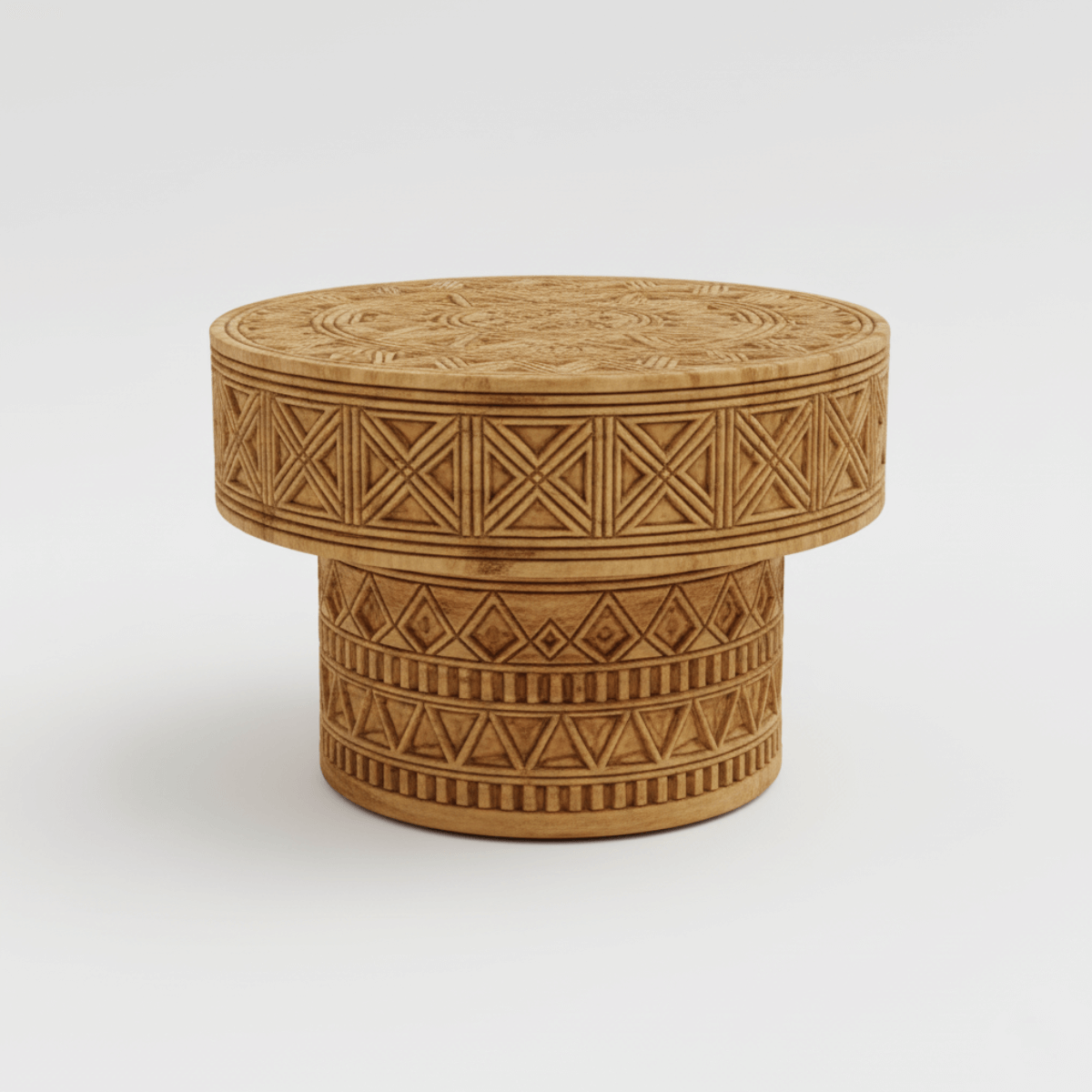
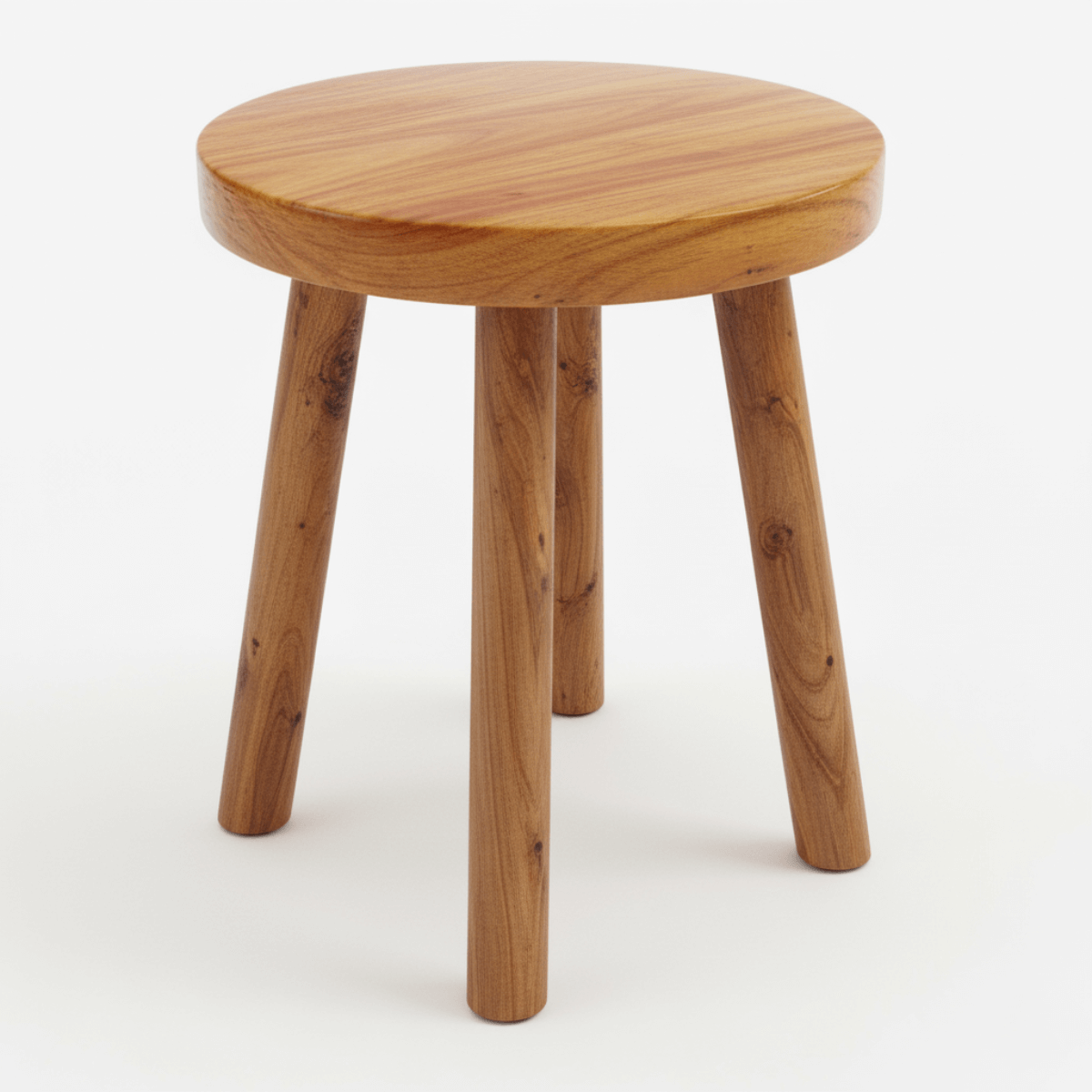
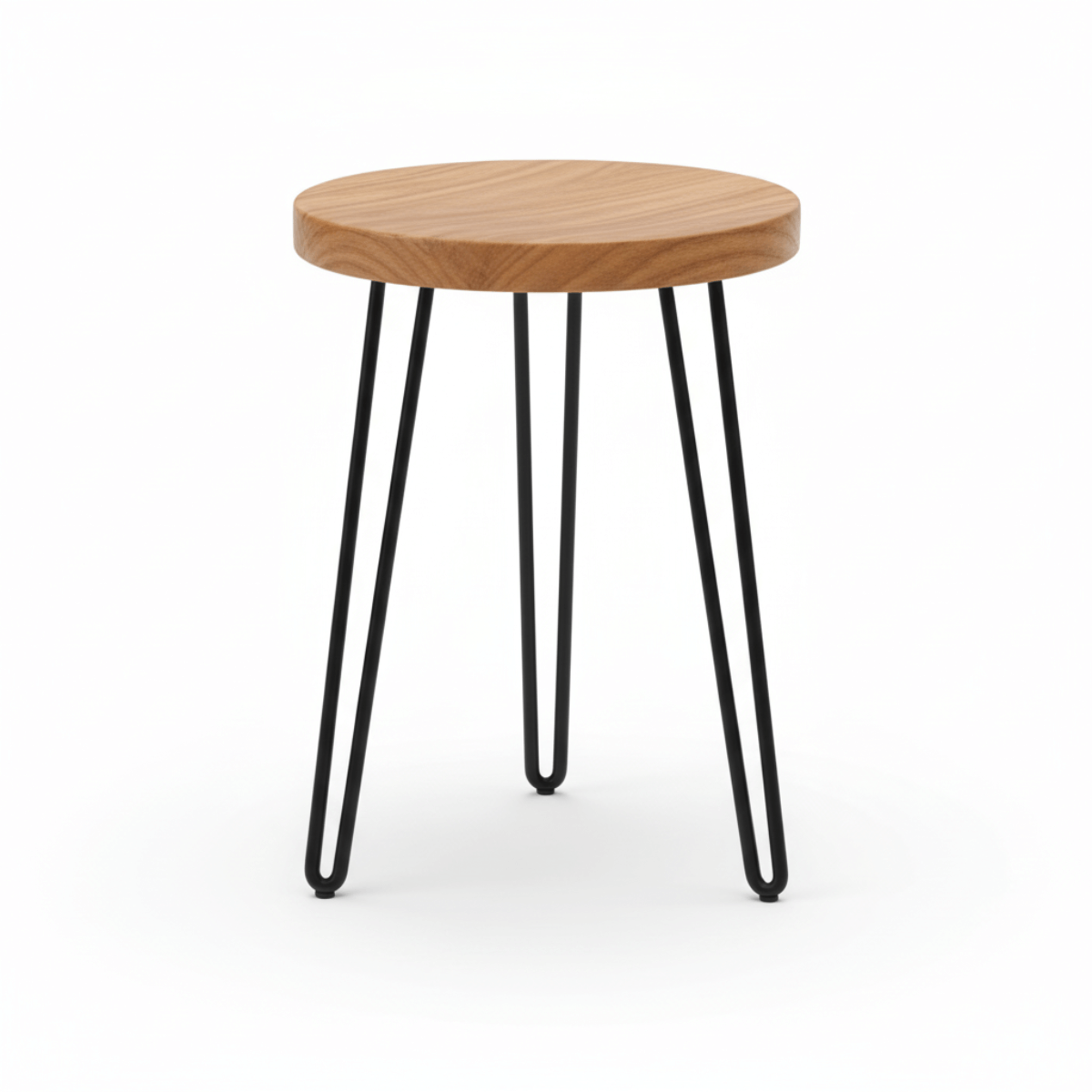
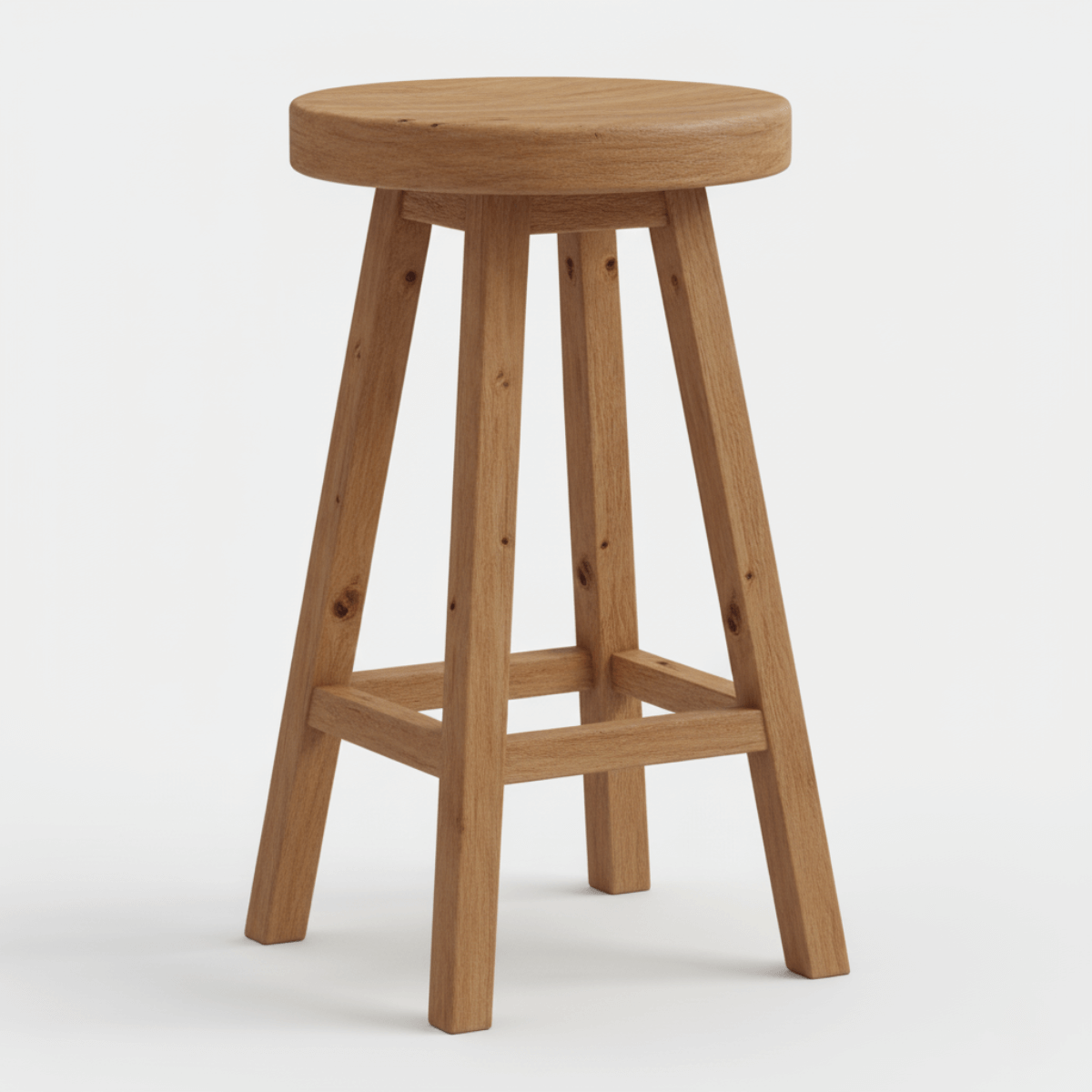
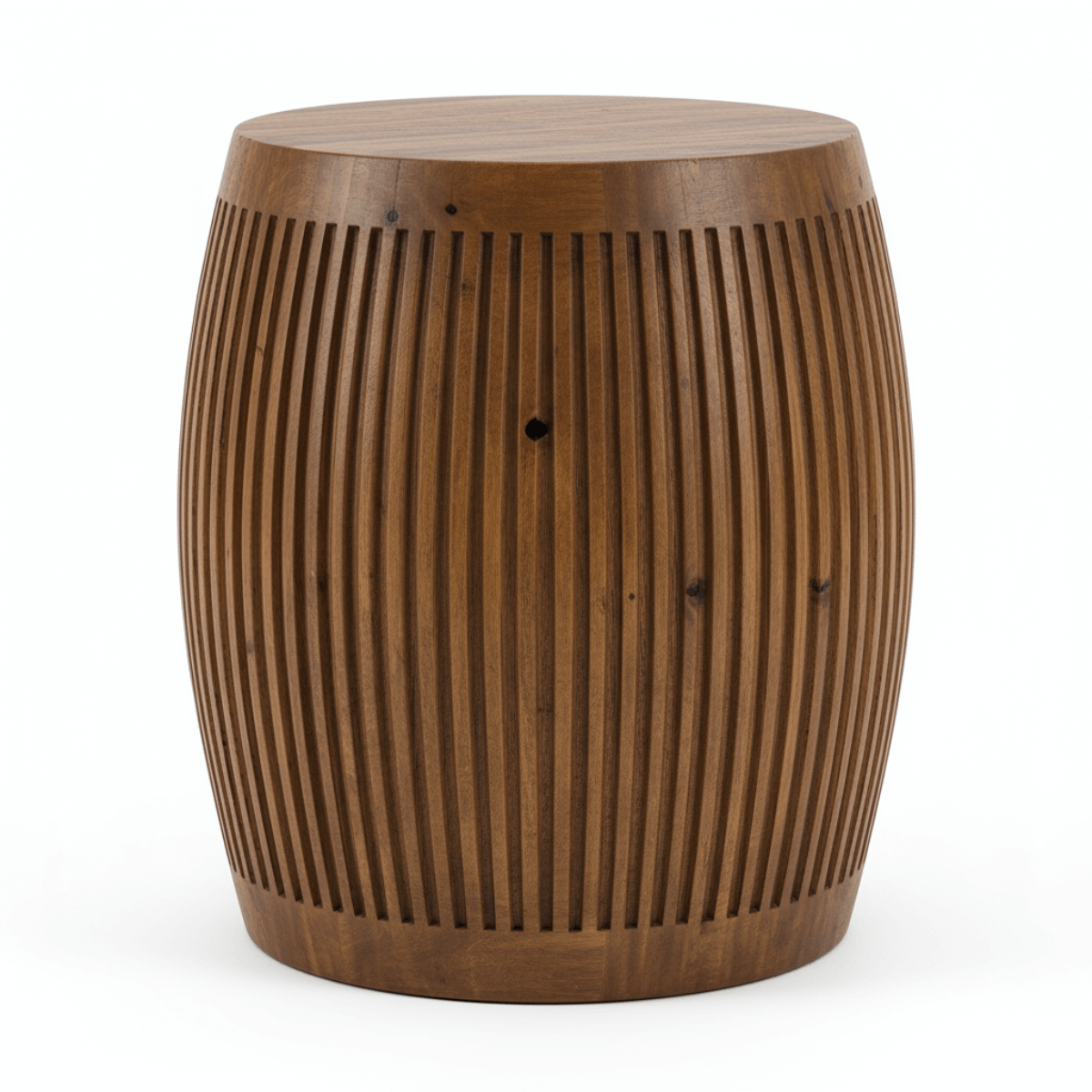
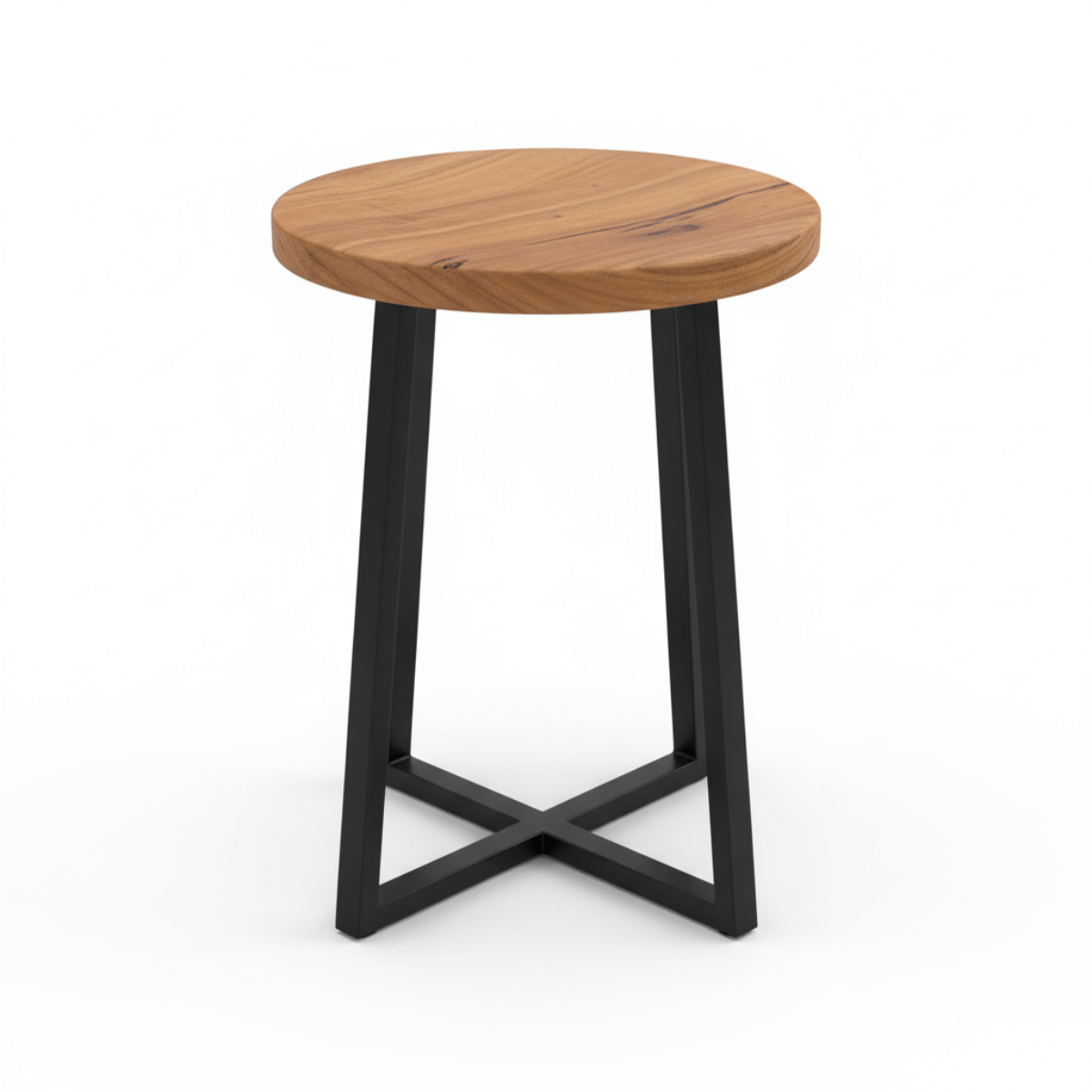
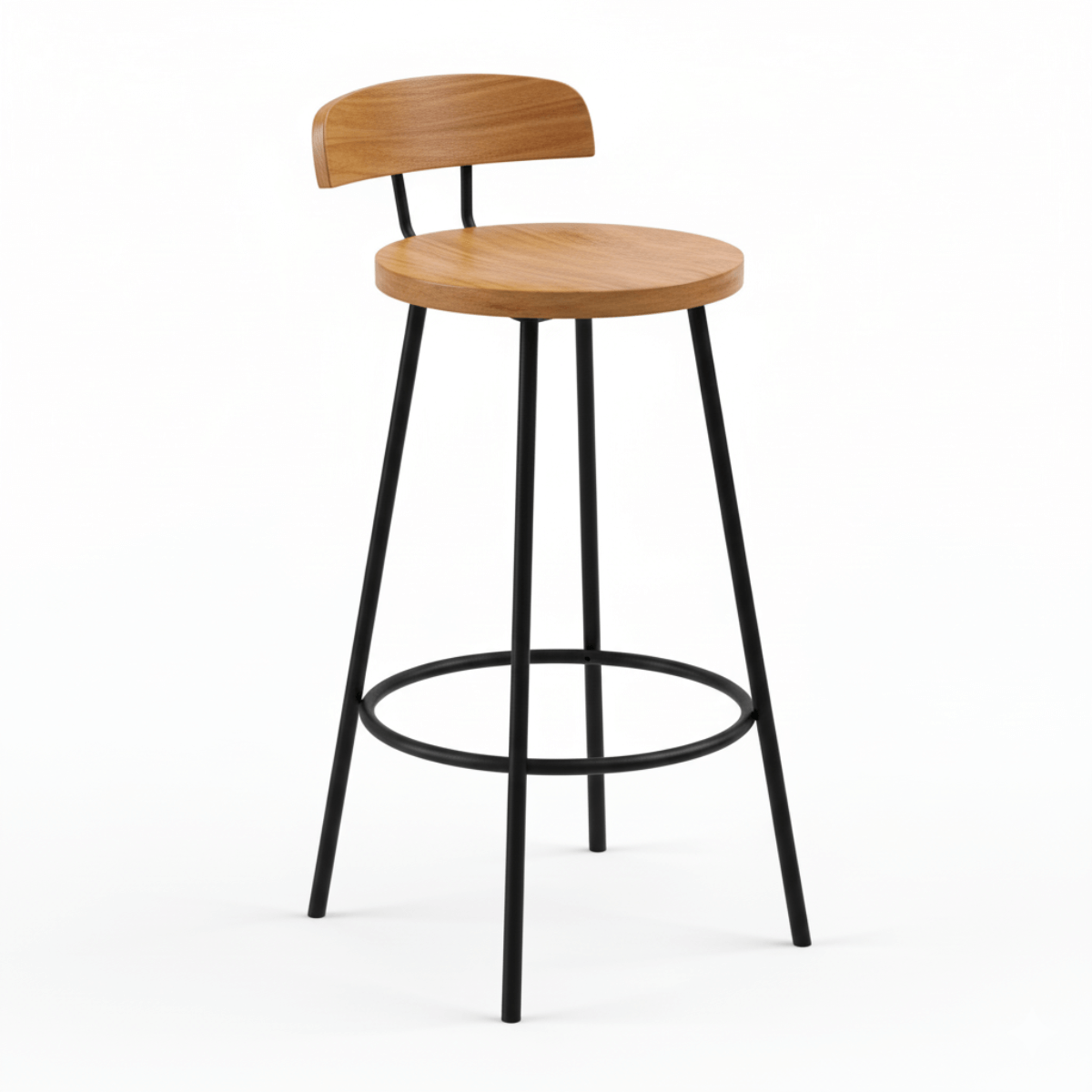


ठोस लकड़ी का फ़र्नीचर एक ऐसा निवेश है जो पीढ़ियों तक आपके घर की शोभा बढ़ा सकता है। चाहे आपने हाल ही में एक सुंदर ओक डाइनिंग टेबल, एक टीक कैबिनेट, या अपने एम्स्टर्डम अपार्टमेंट के लिए अखरोट की शेल्फिंग खरीदी हो, उचित रखरखाव को समझना आवश्यक है। यह व्यापक मार्गदर्शिका नीदरलैंड के बदलते मौसमों के दौरान आपके ठोस लकड़ी के टुकड़ों की प्राकृतिक सुंदरता और स्थायित्व को बनाए रखने में आपकी मदद करेगी।
अपने ठोस लकड़ी के फर्नीचर को समझना
रखरखाव के तरीकों में गोता लगाने से पहले, यह पहचानना महत्वपूर्ण है कि ठोस लकड़ी एक जीवित सामग्री है जो पर्यावरणीय परिवर्तनों के प्रति प्रतिक्रिया करती है। नीदरलैंड में, जहाँ केंद्रीय हीटिंग वाली शुष्क सर्दियों और नम शरद ऋतु के महीनों के बीच आर्द्रता का स्तर बदलता रहता है, आपका लकड़ी का फ़र्नीचर स्वाभाविक रूप से फैलता और सिकुड़ता है। यह विशेषता डच घर मालिकों के लिए नियमित देखभाल को और भी महत्वपूर्ण बनाती है।
ठोस लकड़ी के फर्नीचर की दैनिक देखभाल
फर्नीचर के लंबे जीवन का आधार सरल दैनिक आदतें हैं। मुलायम, रोएँ-रहित कपड़े या माइक्रोफाइबर डस्टर का उपयोग करके अपनी ठोस लकड़ी की सतहों को नियमित रूप से पोंछें। यह समय के साथ गंदगी के कणों को फिनिश को खरोंचने से रोकता है। नियमित सफाई के लिए, अपने कपड़े को पानी से थोड़ा नम करें—कभी भी पानी को सीधे लकड़ी की सतहों पर स्प्रे न करें, क्योंकि अतिरिक्त नमी फिनिश को नुकसान पहुंचा सकती है और लकड़ी के दाने में प्रवेश कर सकती है।
पानी के छल्ले और दाग को रोकने के लिए हमेशा तुरंत गिरे हुए तरल को पोंछ दें। अपने लकड़ी के मेज़ों को गर्मी से होने वाले नुकसान और नमी के निशानों से बचाने के लिए गिलास के नीचे कोस्टर और गर्म बर्तनों के नीचे प्लेसमेट का उपयोग करें। ये छोटे निवारक उपाय आपके फर्नीचर के जीवन को काफी बढ़ाते हैं।
अपने लकड़ी के फर्नीचर की गहरी सफाई
हर कुछ महीनों में गहरी सफाई सत्रों के लिए, हल्के डिश साबुन की कुछ बूंदों के साथ गर्म पानी का एक कोमल घोल तैयार करें। इस मिश्रण में एक मुलायम कपड़े को डुबोएं, इसे अच्छी तरह से निचोड़ें जब तक कि यह मुश्किल से नम न हो जाए, और दाने की दिशा का पालन करते हुए सभी लकड़ी की सतहों को पोंछ दें। किसी भी नमी के अवशेष को हटाने के लिए तुरंत एक साफ, मुलायम तौलिये से सुखाएं।
कठोर रासायनिक क्लीनर, अमोनिया-आधारित उत्पादों, या सिलिकॉन युक्त फर्नीचर पॉलिश से बचें। ये पदार्थ आपके ठोस लकड़ी के फर्नीचर से सुरक्षात्मक फिनिश को हटा सकते हैं और एक परत छोड़ सकते हैं जो धूल को आकर्षित करती है। जिद्दी दागों के लिए, प्रैक्सिस या गामा जैसे डच गृह सुधार स्टोरों पर उपलब्ध विशेष लकड़ी क्लीनर का उपयोग करने पर विचार करें।
लकड़ी की सतहों को पॉलिश करना और उनकी सुरक्षा करना
फर्नीचर मोम या पॉलिश को संयमित रूप से लगाएं—आमतौर पर अधिकांश डच घरों के लिए साल में दो से चार बार पर्याप्त होता है। विशेष रूप से ठोस लकड़ी के फर्नीचर के लिए डिज़ाइन किए गए उत्पादों का चयन करें, अधिमानतः प्राकृतिक मधुमक्खी मोम या कार्नौबा मोम युक्त। एक मुलायम कपड़े का उपयोग करके लकड़ी के दाने का पालन करते हुए एक पतली परत लगाएं, इसे अनुशंसित समय तक अंदर जाने दें, फिर एक हल्की चमक के लिए बफ करें।
तेल से उपचारित लकड़ी के फर्नीचर के लिए, जो स्कैंडिनेवियाई शैली के डच अंदरूनी हिस्सों में लोकप्रिय है, वार्षिक रूप से या जब सतह सूखी दिखाई दे, तो फर्नीचर तेल को फिर से लगाएं। यह रखरखाव नीदरलैंड के परिवर्तनशील मौसम में लकड़ी को पोषित रखता है और दरार को रोकता है।
आर्द्रता के स्तर का प्रबंधन
डच जलवायु ठोस लकड़ी के फर्नीचर की देखभाल के लिए अद्वितीय चुनौतियां प्रस्तुत करती है। सर्दियों के महीनों के दौरान जब इनडोर हीटिंग आर्द्रता को कम करता है, तो लकड़ी सूख सकती है और दरार पड़ सकती है। इसके विपरीत, बरसात के मौसम में अत्यधिक आर्द्रता सूजन और विकृति का कारण बन सकती है। सर्दियों में ह्यूमिडिफायर और नम अवधि के दौरान डीह्यूमिडिफायर का उपयोग करके इनडोर आर्द्रता के स्तर को 40-60% के बीच बनाए रखें। यह आपके फर्नीचर और आपके स्वास्थ्य दोनों के लिए एक इष्टतम वातावरण बनाता है।
फर्नीचर को सीधे गर्मी के स्रोतों जैसे रेडिएटर से दूर रखें, जो डच घरों में आम हैं। सूखने और दरार को रोकने के लिए लकड़ी के टुकड़ों को हीटिंग वेंट से कम से कम 30 सेंटीमीटर दूर रखें। इसी तरह, फर्नीचर को बड़ी खिड़कियों के पास सीधी धूप में रखने से बचें, क्योंकि यूवी किरणें समय के साथ लकड़ी के फिनिश को फीका कर सकती हैं और नुकसान पहुंचा सकती हैं।
सामान्य लकड़ी के फर्नीचर की समस्याओं का इलाज
पानी के छल्ले शायद सबसे आम समस्या है जिसका सामना डच घर मालिक करते हैं। हल्के निशानों के लिए, सफेद सिरका और जैतून के तेल के बराबर भागों के मिश्रण से नम किए गए कपड़े से धीरे से रगड़ने का प्रयास करें। खरोंचों के लिए, आपके फर्नीचर के रंग से मेल खाने वाले विशेष लकड़ी के टच-अप मार्कर या वैक्स स्टिक मामूली क्षति को प्रभावी ढंग से छिपा सकते हैं।
यदि आपके ठोस लकड़ी के फर्नीचर में जमाव से चिपचिपा अवशेष विकसित होता है, तो इसे सफेद सिरका और पानी (1:1 अनुपात) के घोल से साफ करें, फिर लकड़ी को उचित पॉलिश से पुनर्संयोजित करें। अधिक गंभीर क्षति के लिए, अपने क्षेत्र में एक पेशेवर फर्नीचर बहाली सेवा से परामर्श करें।
मौसमी रखरखाव युक्तियाँ
अपनी फर्नीचर देखभाल दिनचर्या को डच मौसमों के अनुसार समायोजित करें। शरद ऋतु और वसंत की शुरुआत में अपने लकड़ी के टुकड़ों का निरीक्षण करें जब आर्द्रता सबसे नाटकीय रूप से बदलती है। सूजन, अंतराल, या फिनिश के बिगड़ने के संकेतों की जांच करें। ये संक्रमणकालीन अवधियां गहरी सफाई और सुरक्षात्मक उपचार लागू करने के लिए आदर्श समय हैं।
नीदरलैंड में ठोस लकड़ी के फर्नीचर को बनाए रखने के लिए हमारी अद्वितीय जलवायु के अनुकूल लगातार देखभाल की आवश्यकता होती है। इन सिद्ध सफाई और रखरखाव प्रथाओं का पालन करके, गुणवत्ता वाले लकड़ी के टुकड़ों में आपका निवेश आपको दशकों की सुंदरता और कार्यक्षमता के साथ पुरस्कृत करेगा। याद रखें कि उचित देखभाल केवल संरक्षण के बारे में नहीं है - यह शिल्प कौशल और प्राकृतिक सामग्रियों का सम्मान करने के बारे में है जो ठोस लकड़ी के फर्नीचर को डच घरों के लिए एक टिकाऊ विकल्प बनाती हैं।