



India Has Quietly Become the Sourcing Decision That Retail Buyers Are Defending in Boardrooms
Over the past three years, a pattern has emerged among mid-to-large US retail chains: their merchandising and procurement teams are shifting a meaningful portion of their solid wood furniture sourcing from Southeast Asia to India. Not as a trial, but as a strategic move. The reason is not purely about cost, even though the economics are compelling. It is about what India now offers that Vietnam and China increasingly cannot — deep customization capability, genuine craft quality, and a contract furniture manufacturer ecosystem that has matured significantly.
If you are a sourcing manager, a furniture buyer, or a VP of merchandising evaluating custom furniture manufacturers wholesale for your retail program, this guide is written specifically for you. We will walk through exactly what working with a premium Indian exporter looks like — the process, the timelines, the compliance expectations, the minimum order realities, and where things go right or wrong in retail furniture programs.
Why US Retail Chains Are Partnering with Indian Custom Furniture Manufacturers
Speed-to-Market with Customization
The furniture retail cycle has compressed. Where buyers once had 18-month runway from concept to floor, many programs now operate on 10 to 12 months. What Indian manufacturers — particularly those with dedicated export operations — have built in response is a development infrastructure that can take a retailer from a sketch or mood board to an approved sample faster than most buyers expect.
A capable contract furniture manufacturer in India maintains in-house design and engineering teams, wood procurement networks, and finish development labs. This means the back-and-forth between concept and prototype does not happen via email chains across four vendors. It happens under one roof, and it is managed as a program — not as a transactional order. For a retail furniture supplier bulk program with 15 to 40 SKUs, this structural advantage compounds quickly.
Lead times from brief to approved pre-production sample typically run 4 to 6 weeks for mid-complexity items. Production lead times for bulk runs, assuming approvals are in place, generally fall between 45 and 75 days depending on volume and complexity. Container loading, export documentation, and shipping to a US port adds approximately 25 to 35 days. Total pipeline from signed purchase order to US port of entry: 90 to 120 days for most retail programs. That is competitive with any sourcing origin.
Consistent Quality Across Large SKU Orders
This is the pressure point that retail procurement teams flag most often when evaluating new suppliers. The concern is legitimate. Ordering 200 units of a dining table is a different challenge than ordering 2,000. Finish consistency, joint integrity, hardware fitment, and dimensional tolerances must hold across every piece in a bulk run, not just across the samples that earned the approval.
Indian manufacturers who supply to retail chains — rather than to the open wholesale market — operate with documented production standards, in-process QC checkpoints, and pre-shipment inspection protocols built into their standard workflow. Premium solid wood furniture exporters from India who work with US retail programs understand that a finish rejection at a DC is not a furniture problem — it is a business relationship problem. Quality systems at these manufacturers reflect that understanding.
What "Custom Furniture Manufacturing" Really Means for Retailers
When a retail buyer says "custom," it can mean three entirely different things depending on the context. Indian exporters who work professionally with retail chains understand all three and have production pathways for each.
SKU Exclusivity and Product Differentiation
The first and commercially most important dimension of custom furniture manufacturing for retail is exclusivity. Retail chains do not want their best-selling solid wood dining table to appear in a competitor's catalog. Custom wood furniture retail chain programs are built on proprietary SKUs — designs that are developed to the retailer's brief, owned by the retailer, and not available to any other buyer.
A legitimate OEM furniture manufacturer manages this through design registration, exclusive production agreements, and tooling that is specific to each retail client. When evaluating a contract furniture manufacturer India, ask specifically how they handle design exclusivity. The answer tells you a great deal about their retail-program experience.
Finish, Material, and Dimension Customization
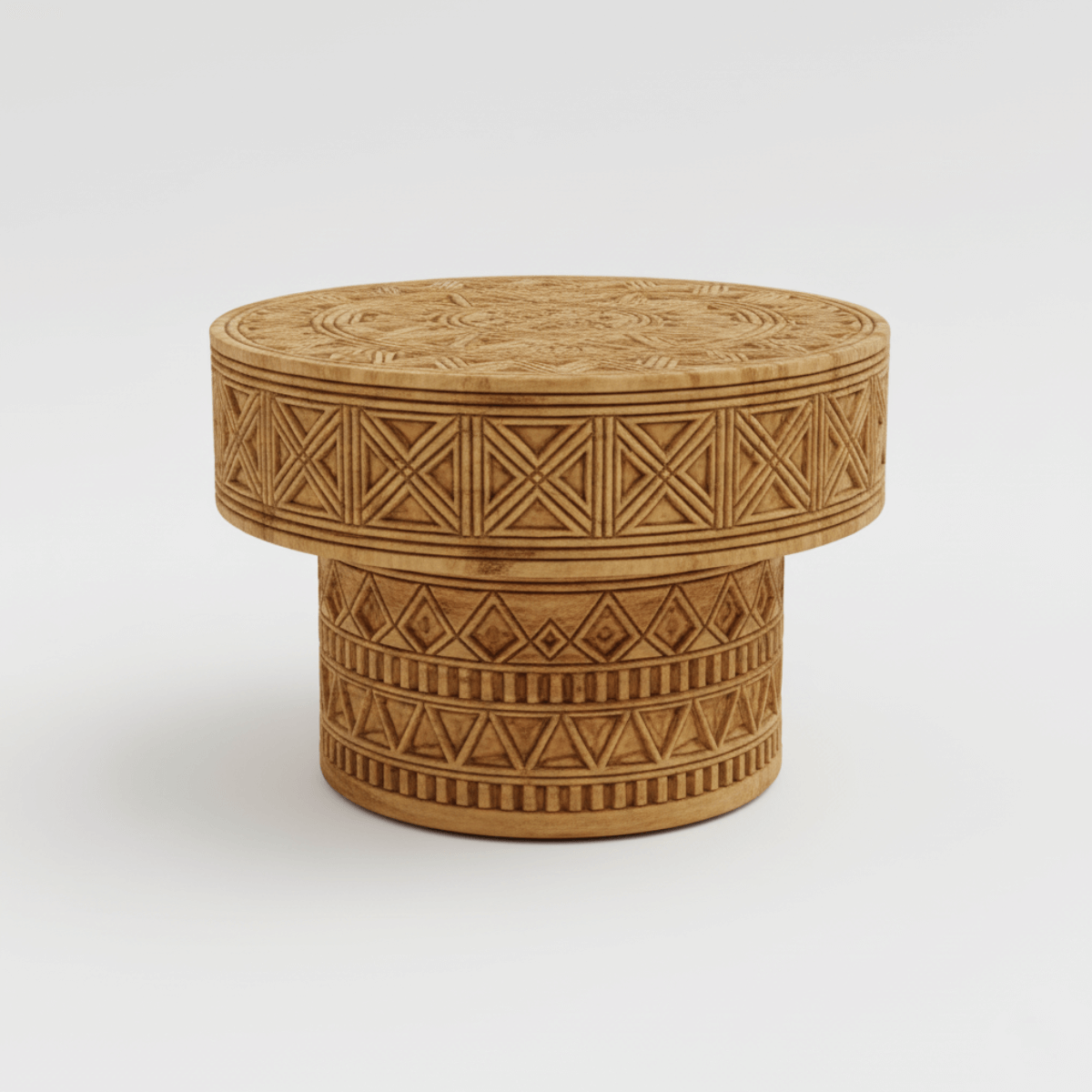
Beyond exclusivity, custom manufacturing at the retail level means adapting proven forms to specific finish, wood species, and dimensional requirements. A retail chain might need a mango wood sideboard in a sand-blast finish for their coastal collection and the same form in a natural lacquer for their urban line. A private label wood furniture USA program might specify exact inches rather than standard metric dimensions to integrate with existing planogram layouts.
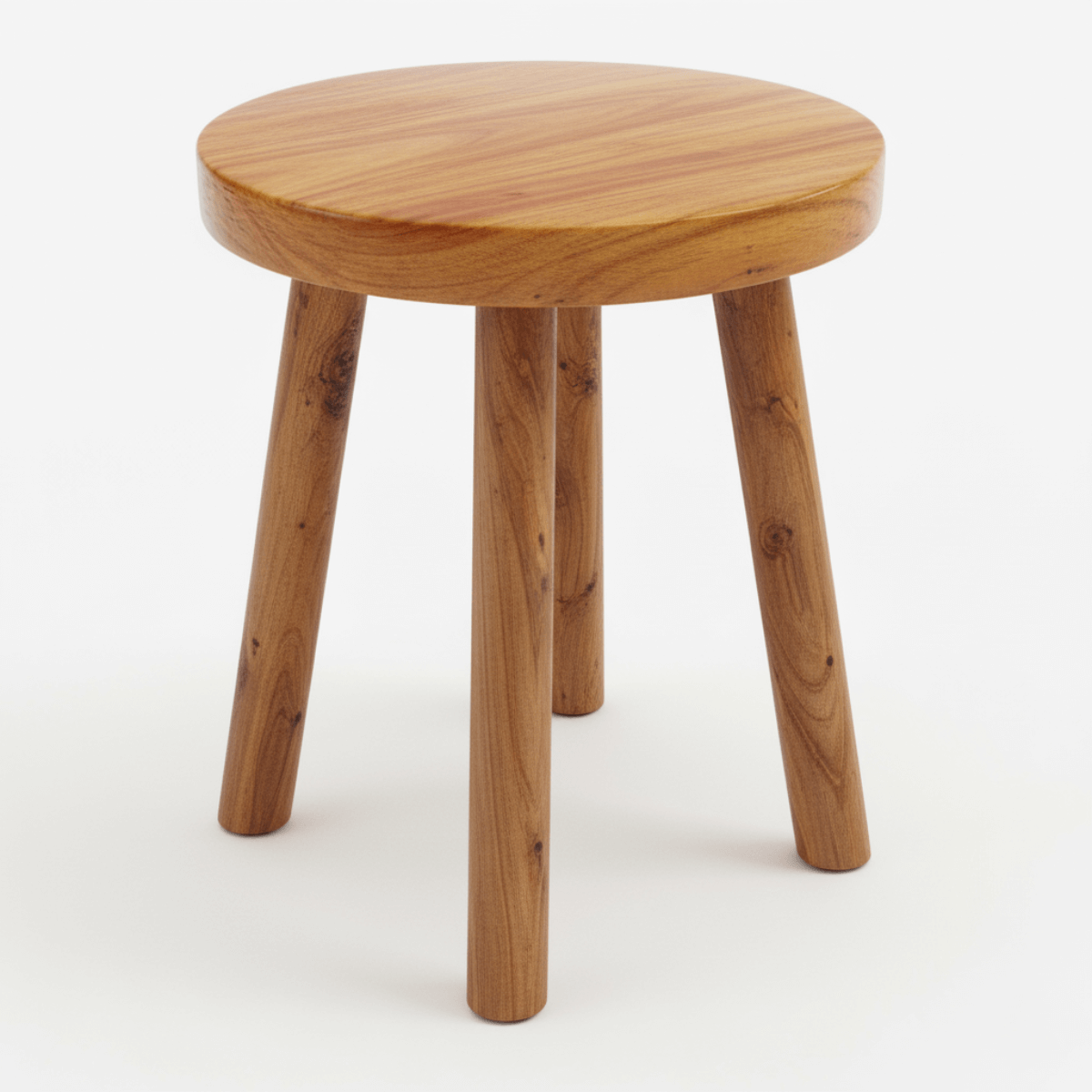
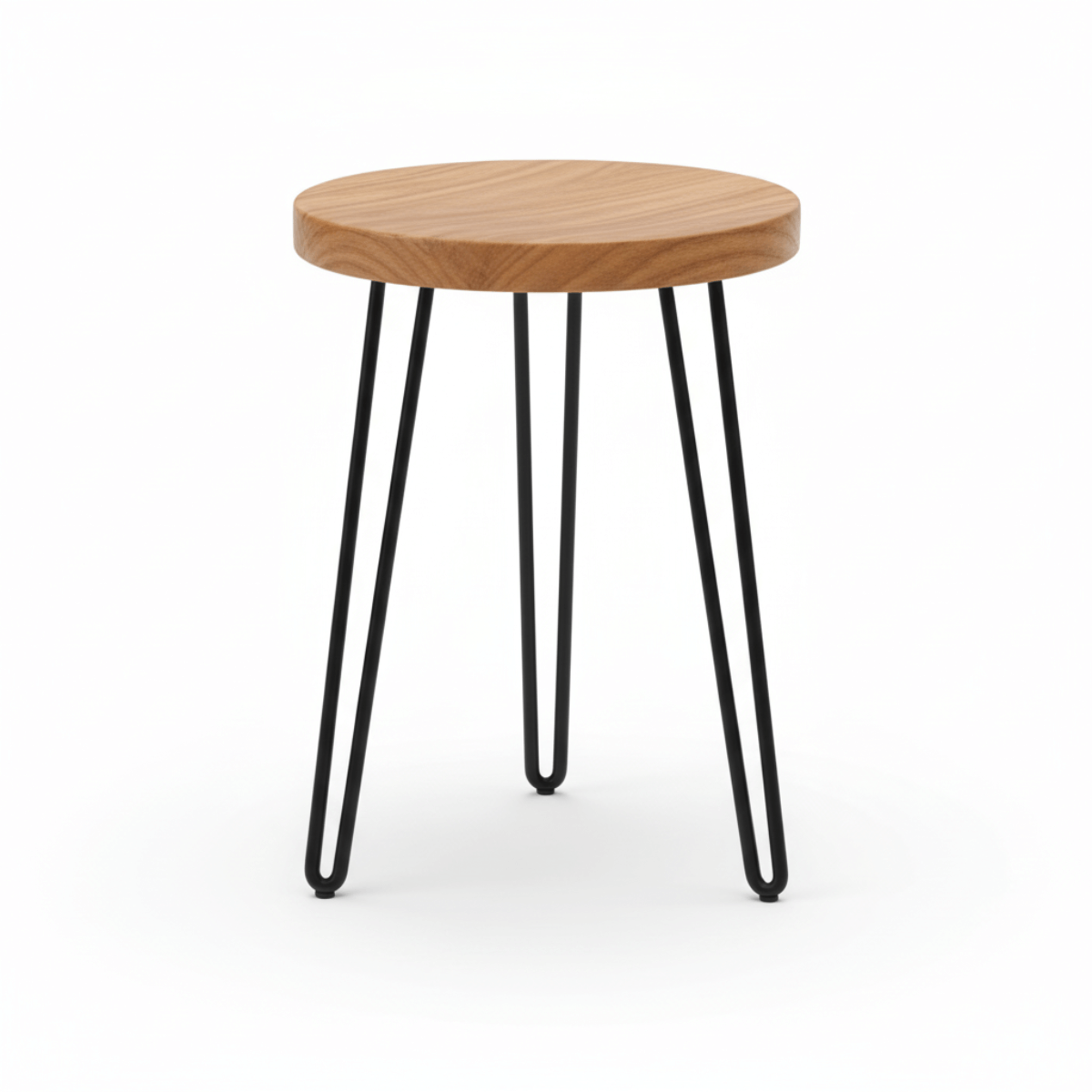
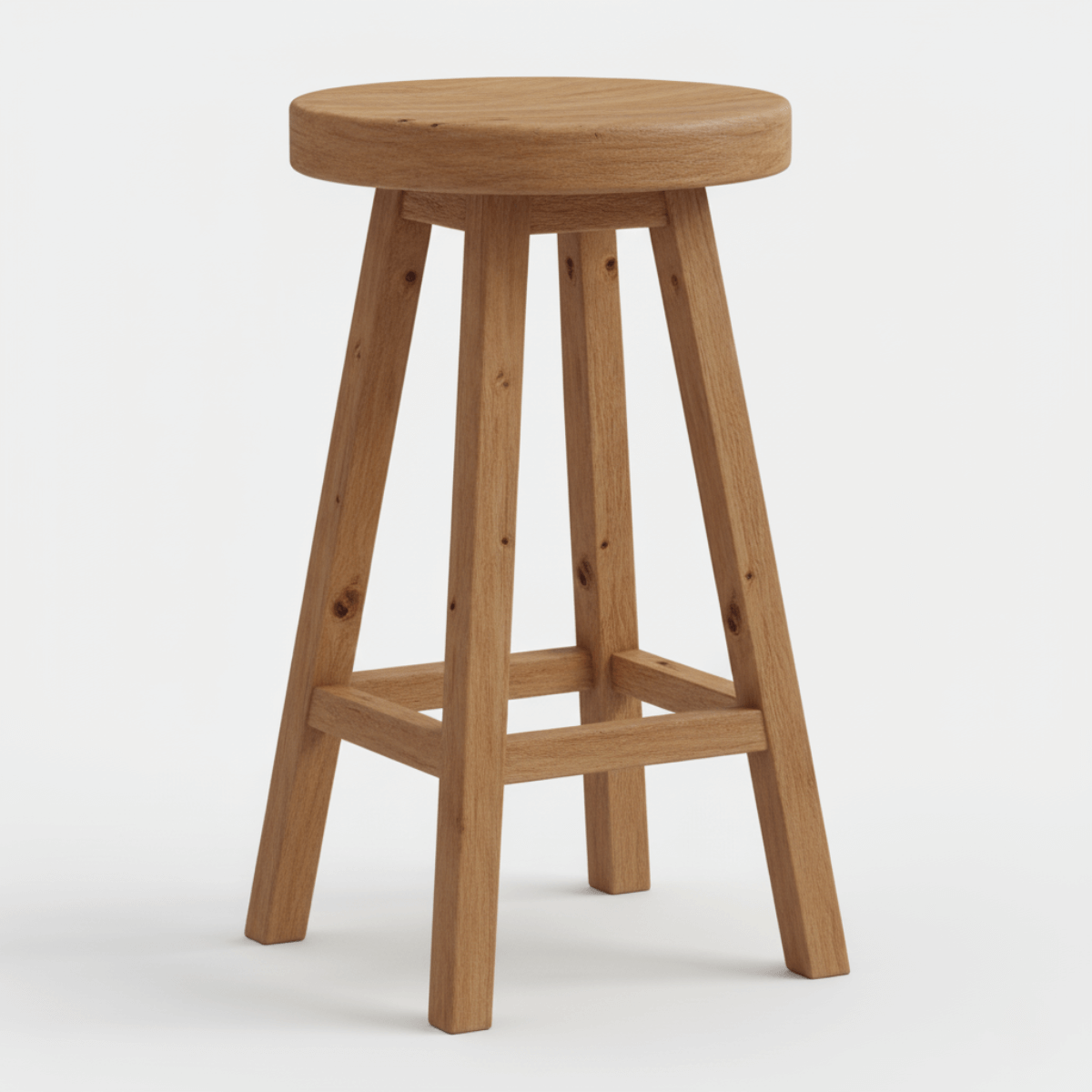
Pindel Handicraft's production capability covers this across their full dining room furniture collection, bedroom furniture range, and living room furniture line. Wood species commonly used for US retail programs include sheesham (Indian rosewood), mango wood, acacia, and teak — each with distinct grain character, density, and finish response. Finish options run from natural oiled and waxed through to lacquered, distressed, whitewashed, and sandblasted, depending on the intended retail aesthetic.
Custom Branding and Retail-Ready Packaging
A retail furniture supplier bulk program ships to distribution centers, not to end consumers, and packaging must be designed accordingly. Export packaging for US retail includes corrugated carton boxes with corner reinforcement, foam interior padding, and poly-wrap on all finished surfaces. Care instructions and assembly documents are printed in English and included per US retail buyer requirements.
For private label programs, outer carton marking, UPC barcode application, and brand label placement are managed per retailer spec sheets. Some retail programs also require inner packaging that survives the DC-to-store journey intact, including branded tissue and SKU-specific assembly bags. These are routine production requirements for manufacturers with retail export experience — and an immediate red flag to walk away if a prospective supplier presents them as exceptional or add-on services.
The Retail Furniture Sourcing Process: What to Expect
Initial Brief and Concept Development
A retail program begins with a structured brief. If your organization does not have one, a manufacturer with genuine retail experience will help you build it. The brief should capture target retail price point (working back from the manufacturer's FOB price), wood species and finish preferences, key dimensions per retail category, target consumer aesthetic, and estimated annual volume by SKU.
From the brief, the manufacturer's development team prepares line sheets, reference renders, or material boards. For programs based on retailer-originated designs, this stage involves technical drawings being shared and reviewed for production feasibility. Expect two to three rounds of development dialogue before a sample brief is finalized.
Prototype to Approval to Bulk Run
Once the sample brief is approved, the manufacturer produces a pre-production prototype — typically one physical sample per new design. This sample is shipped to the retailer or their designated QC agent for evaluation. The review covers construction quality, finish accuracy, dimensional conformance, and packaging integrity.
Revisions are common and expected. A second sample may be needed if structural changes are required. For finish adjustments alone, digital references and finish boards sent by air freight can often substitute a full second prototype, saving two to three weeks. Once the sample is approved in writing, the manufacturer locks the production specification and begins the bulk run.
Do not skip the formal written approval stage. Verbal alignment on a video call does not constitute a production specification. Insist on a signed specification sheet — finish codes, dimension tolerances, hardware part numbers, packaging specifications — before authorizing the bulk run. This document is the foundation of every QC conversation that follows.
Compliance Documentation for US Retail
US retail chains require specific documentation for import compliance, and manufacturers who regularly work in this channel maintain these as standard outputs. For wood furniture exported from India to the US, the primary documentation requirements include:
- Phytosanitary certificate confirming wood treatment and fumigation compliance (ISPM-15 for wood packaging materials)
- Certificate of Origin for US Customs and potential GSP or trade preference claims
- FSC certification if the retailer's sourcing policy requires chain-of-custody documentation for sustainably sourced wood
- TSCA compliance letter confirming that composite wood components (if used) meet formaldehyde emission standards under the Toxic Substances Control Act
- Commercial invoice, packing list, and bill of lading in formats compatible with US Customs entry requirements
Pindel Handicraft ships from multiple Indian ports including Mumbai, Chennai, and Kandla, and their export team prepares complete documentation packages as a standard part of each shipment. If your retail compliance team has specific document templates or requires third-party certifications beyond the above, raise this in the brief stage — not after the production run.
For a detailed walkthrough of the import process, refer to the complete guide to importing solid wood furniture from India to the USA published by Pindel Handicraft.
Minimum Order Quantities for Retail Chain Programs
MOQs are one of the most frequently misunderstood aspects of working with custom furniture manufacturers wholesale. Here is the reality, stated plainly.
Realistic MOQs with Examples
For standard catalog styles where the manufacturer is running against an existing jig and production setup, MOQs typically start at 20 to 50 pieces per SKU. For fully custom designs requiring new tooling, pattern development, and finish calibration, MOQs are generally 50 to 100 pieces per SKU to justify the development investment.
For a retail chain launching an opening order program, consider a realistic scenario: 8 dining room SKUs at 50 units each, 6 bedroom SKUs at 50 units each, and 4 accent pieces at 50 units each — that is 900 pieces total, likely filling two to three 40-foot containers. This is a workable retail furniture supplier bulk program that gives the manufacturer enough volume to run efficiently and gives the retailer enough inventory depth to test the line properly across 20 to 30 stores.
Programs that expect 10 units per SKU across 40 SKUs are structurally problematic for any serious manufacturer. The production changeover cost and quality risk on micro-batch runs is not manageable, and the pricing on those units will reflect it. If you are in early program testing, consider consolidating your SKU count and running deeper on fewer items rather than spreading thin across a wide catalog.
Balancing Flexibility with Production Efficiency
Replenishment orders for proven SKUs typically carry lower MOQs than opening orders, often 20 to 30 units per SKU, because the production specification is already locked and the manufacturer's team is familiar with the product. This is one of the significant advantages of a long-term retail partnership over transactional sourcing — the cost and timeline of repeat orders improves as the relationship matures.
Working with Pindel Handicraft as Your Manufacturing Partner
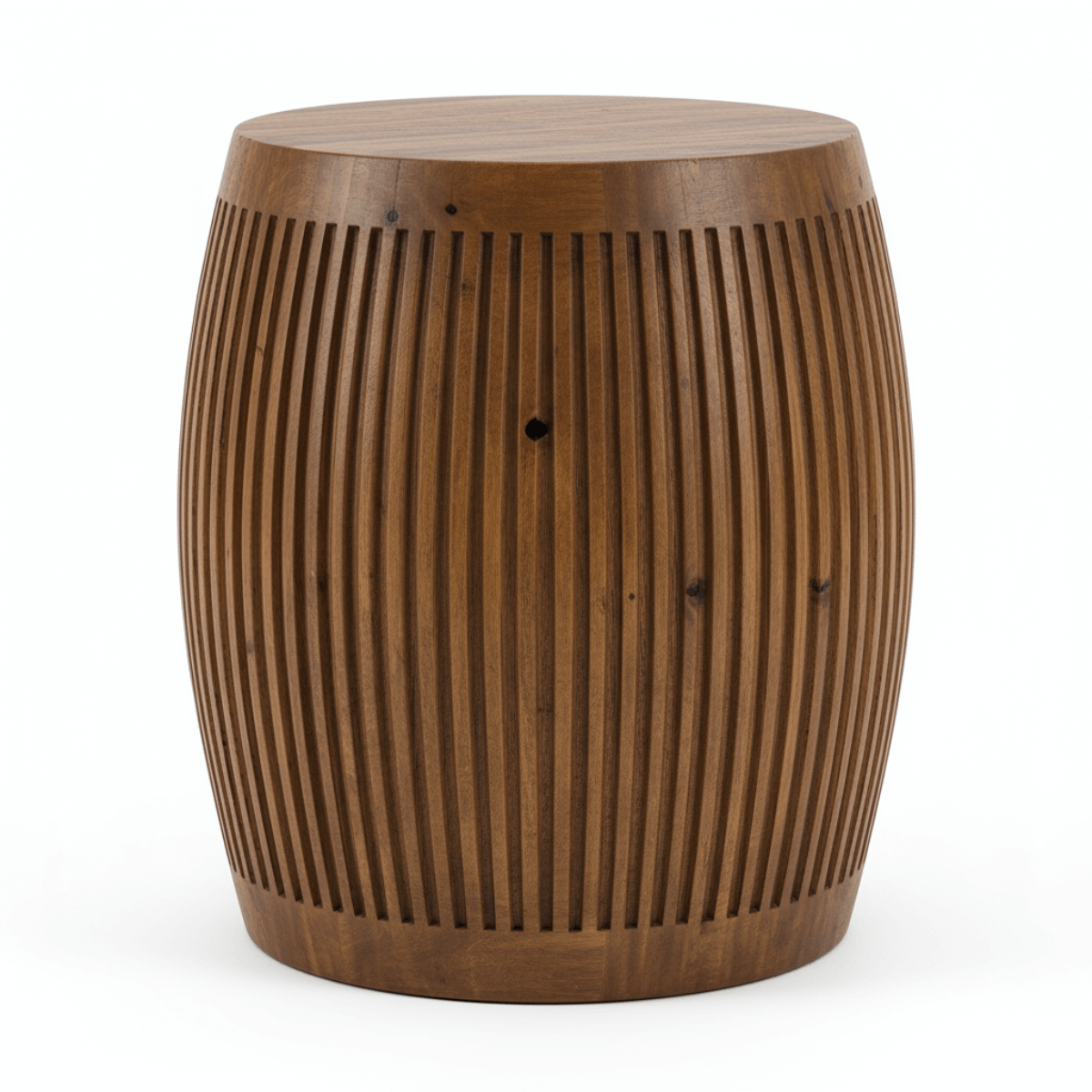
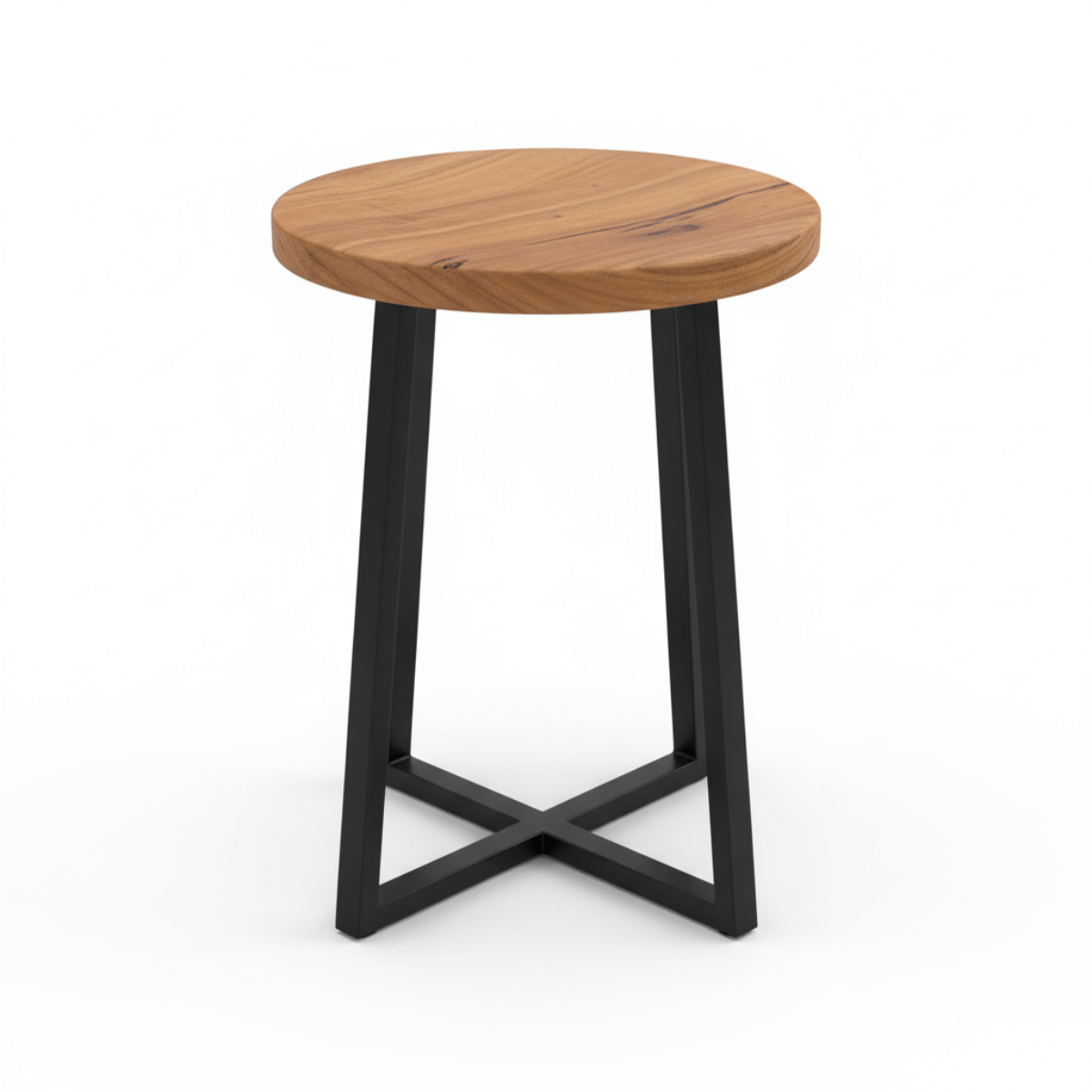
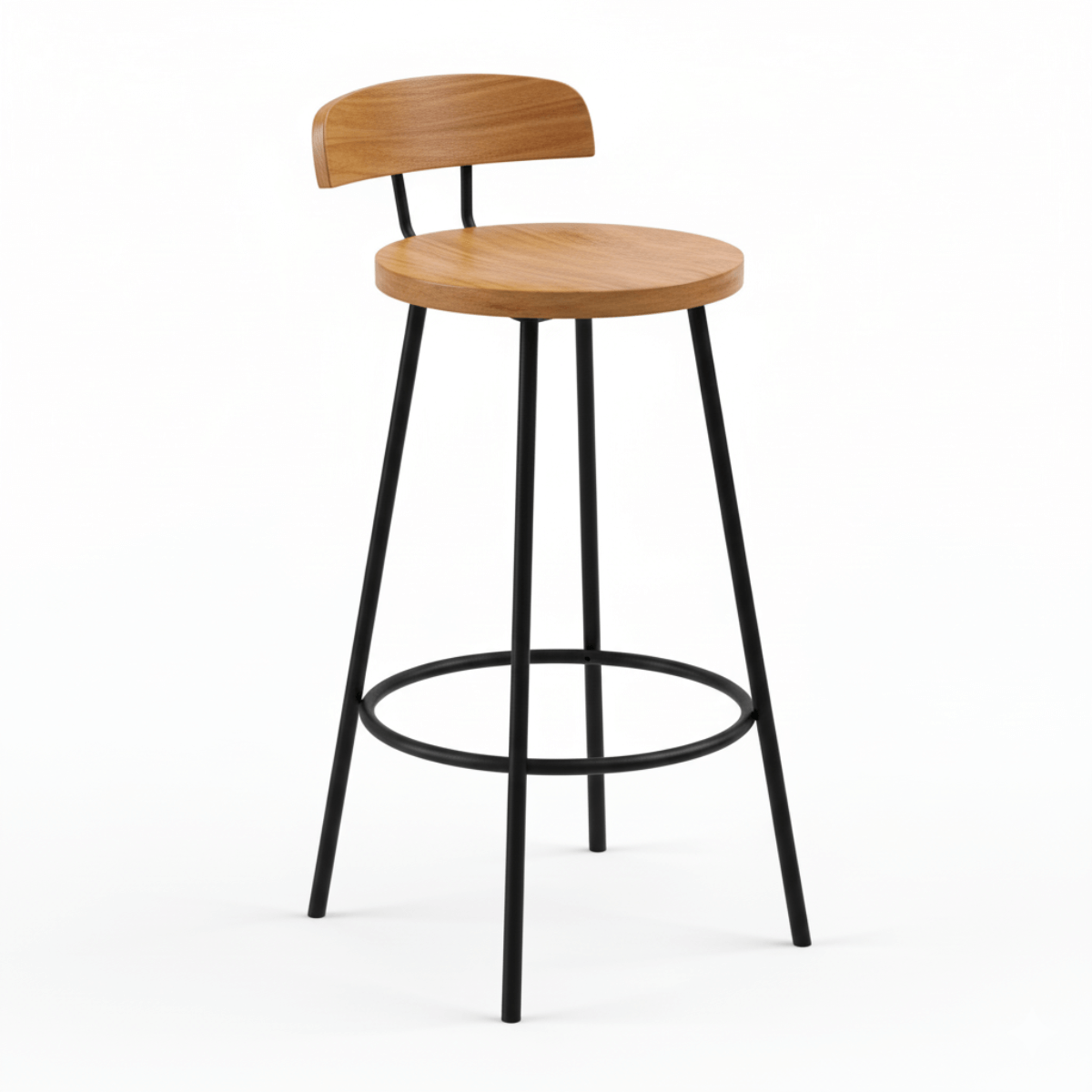
Pindel Handicraft is a premium solid wood furniture manufacturer and exporter based in Rajasthan, India, with a dedicated focus on B2B retail and wholesale programs for the US, UK, Canada, Europe, and the Middle East. Their production covers dining room furniture including dining sets, dining tables, dining chairs, sideboards, and benches; bedroom furniture including beds, bedside tables, chest of drawers, wardrobes, and dressing tables; and living room furniture including coffee tables, chairs, display cabinets, and side tables.
Their positioning is explicitly premium, not price-competitive. If you are sourcing the cheapest furniture in a category, Pindel is not the right call. If you are sourcing solid wood furniture that your retail customers will perceive as quality, that will hold up in their homes, and that will generate repeat purchase behavior and brand trust for your chain — that is where this manufacturer operates.
Dedicated Account Management for Retail Programs
Retail programs are managed by dedicated account contacts, not by a general inquiry team. This means your procurement manager or merchant communicates with a single point of contact who knows your program specs, your timeline, your approvals status, and your DC requirements. This structure matters when you have a 40-container program in motion and a question arises at 7:00 AM Eastern time.
Communication operates in English, across time zones, with structured program update cadences. Prototype status, bulk run progress, QA reports, and shipping documentation are shared proactively — not retrieved on request.
QC Process and Third-Party Inspection Options
Pindel Handicraft's in-house quality control process runs across four stages: incoming wood material inspection, in-process QC at key production milestones (joinery, sanding, finishing), pre-packing inspection against the approved sample specification, and a final pre-shipment inspection before container loading.
For retail programs where the buyer's compliance standards require independent verification, Pindel supports third-party pre-shipment inspections by agencies such as Intertek, SGS, or Bureau Veritas. The manufacturer provides inspection access and documentation cooperation as a standard service — inspection scheduling is coordinated between the buyer's nominated agency and the factory without friction.
Their commitment to consistent, shipment-ready quality is detailed further in their quality control process overview, which outlines each stage of the QA workflow.
For US retailers who want to understand the OEM manufacturing framework before committing to a program, the OEM solid wood furniture manufacturing guide for US wholesalers and retailers covers the commercial and operational structure in depth.
Case Study: Launching a 12-SKU Solid Wood Dining Program for a US Regional Retail Chain
The Requirement
A US regional home furnishings chain with 38 stores across the Southeast and Mid-Atlantic wanted to launch a proprietary solid wood dining collection for their fall floor reset. Their existing supplier in Vietnam could not offer exclusivity or the finish flexibility required. They needed 12 dining SKUs — four dining table sizes, four dining chair variants, two benches, and two sideboards — all in a single cohesive aesthetic: a farmhouse-meets-artisan look with a sandblast finish over natural mango wood.
The Customization
Working from the buyer's mood board and planogram dimensions, Pindel Handicraft's development team produced line sheets for all 12 SKUs within 10 days of the initial brief. Dimensions were adjusted to the buyer's US-standard specifications (widths in inches, not metric). The sandblast finish was developed against a physical reference sample the buyer shipped from an existing product they wanted to match. Two rounds of finish calibration brought alignment within four weeks. Pre-production samples for all 12 SKUs were shipped in week six.
Production and Delivery
The buyer approved 10 of 12 SKUs without revision; two required minor hardware adjustments. Final approvals were complete by week eight. The 1,200-unit bulk run was completed in 58 days. A third-party pre-shipment inspection by the buyer's nominated agency cleared all units. Two 40-foot containers loaded in Mumbai shipped on schedule, arriving at the buyer's Atlanta DC 28 days later — 94 days from purchase order to DC receipt.
Business Impact
The collection launched in all 38 stores with exclusive SKUs the buyer controlled. Sell-through in the first 90 days exceeded the buyer's plan by 22%. A replenishment order for the top six SKUs was placed in week 10. The buyer subsequently expanded the program to include a bedroom furniture collection and accent seating for the following season.
The Decision You Are Actually Making
Choosing a custom furniture manufacturing partner for a retail chain program is not a procurement decision in the narrow sense. It is a strategic decision about which manufacturer you want building your brand's reputation with your customers.
Indian exporters who have built genuine retail supply capabilities — with dedicated development teams, documented QC systems, compliance-ready export processes, and account management structures that function at retail pace — represent a sourcing channel that delivers on the promise of what custom furniture manufacturers wholesale should mean. Not just price. Quality, reliability, exclusivity, and a partnership structure that improves over time.
Pindel Handicraft operates in this category. Their solid wood production capability, export infrastructure, and retail program experience make them a credible manufacturing partner for US retail chains at the decision stage of a sourcing evaluation.
Take the Next Step
Schedule a Retail Sourcing Call Talk to Pindel Handicraft's team about your retail program requirements — SKU count, target aesthetics, timelines, and volume. Book your sourcing call here.
