

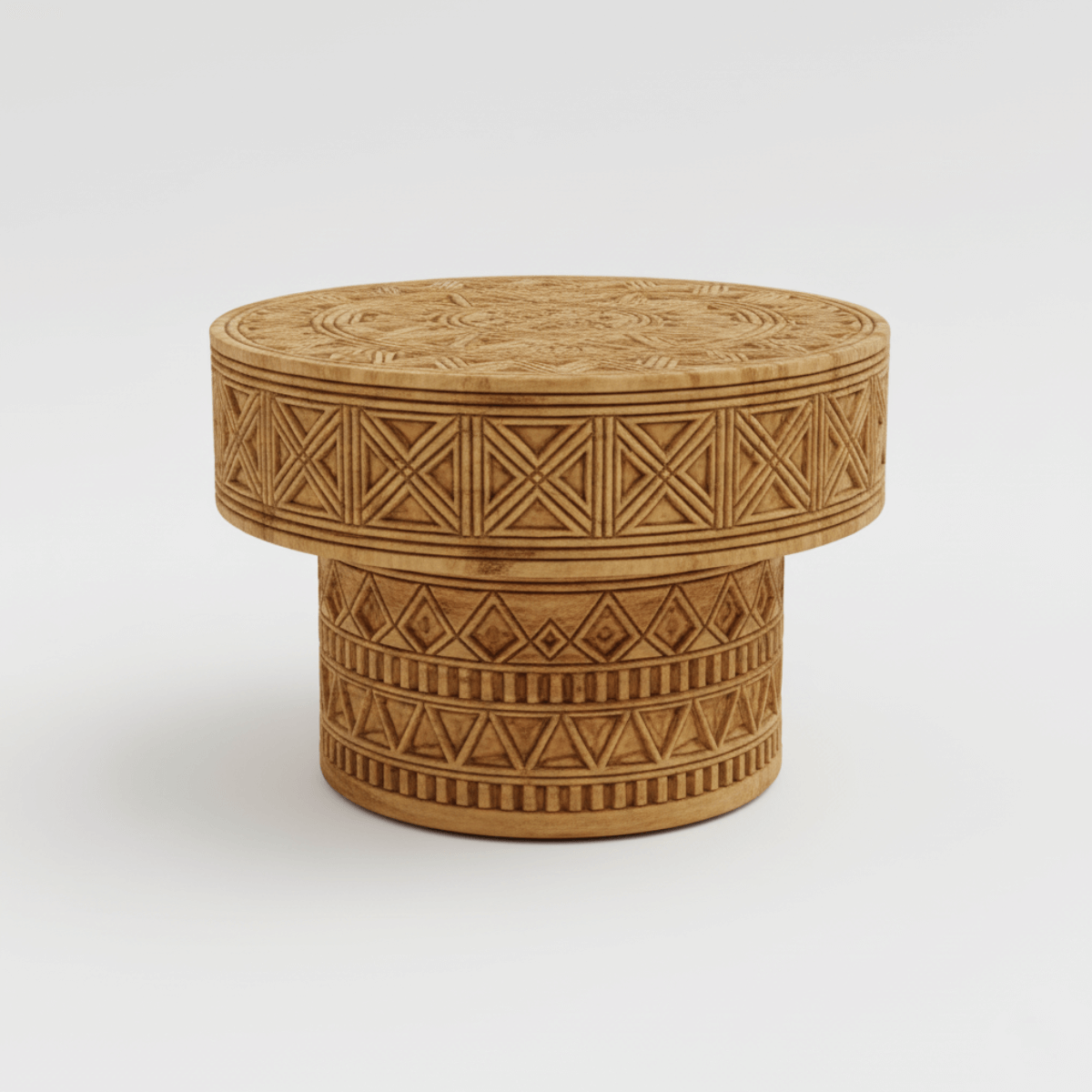
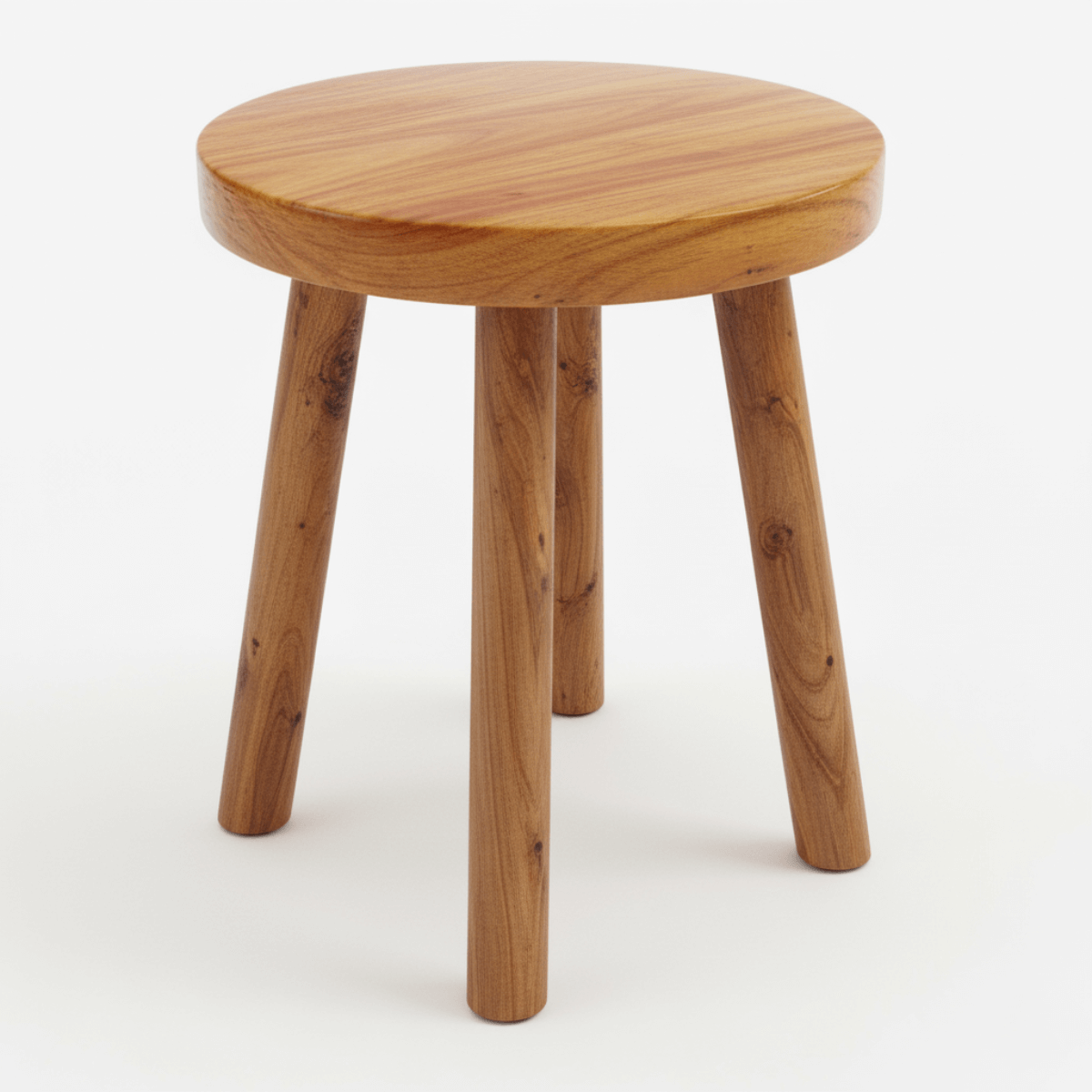
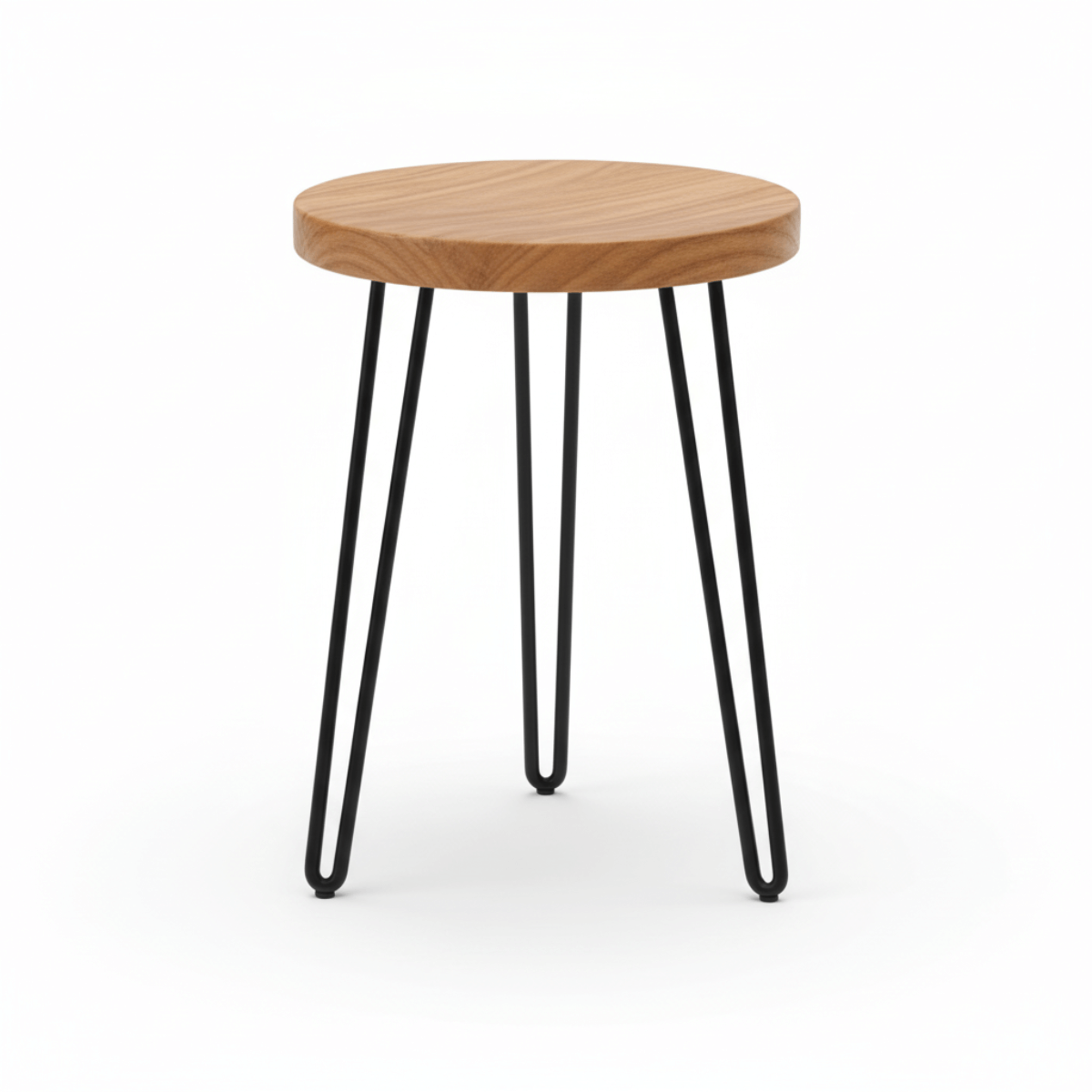
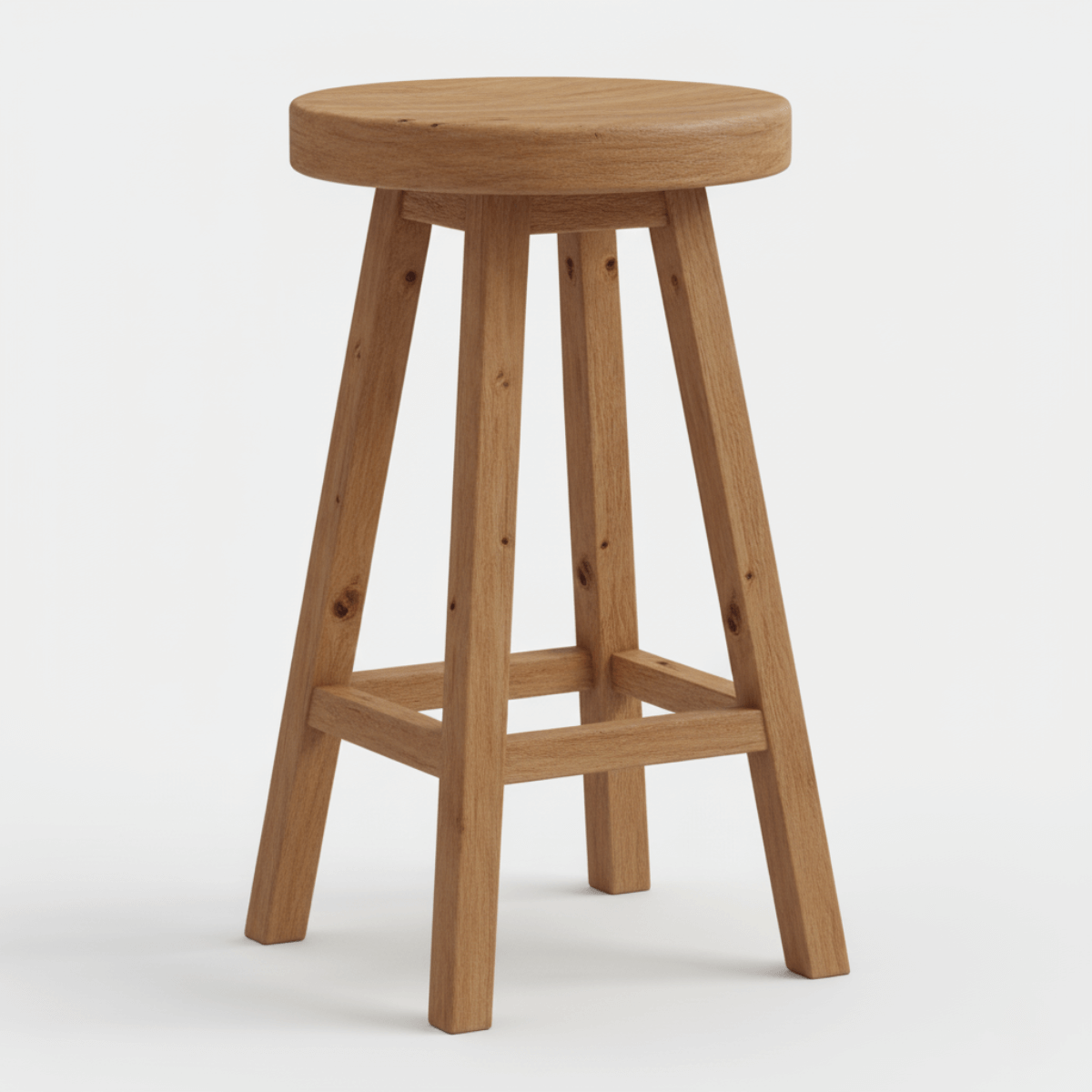
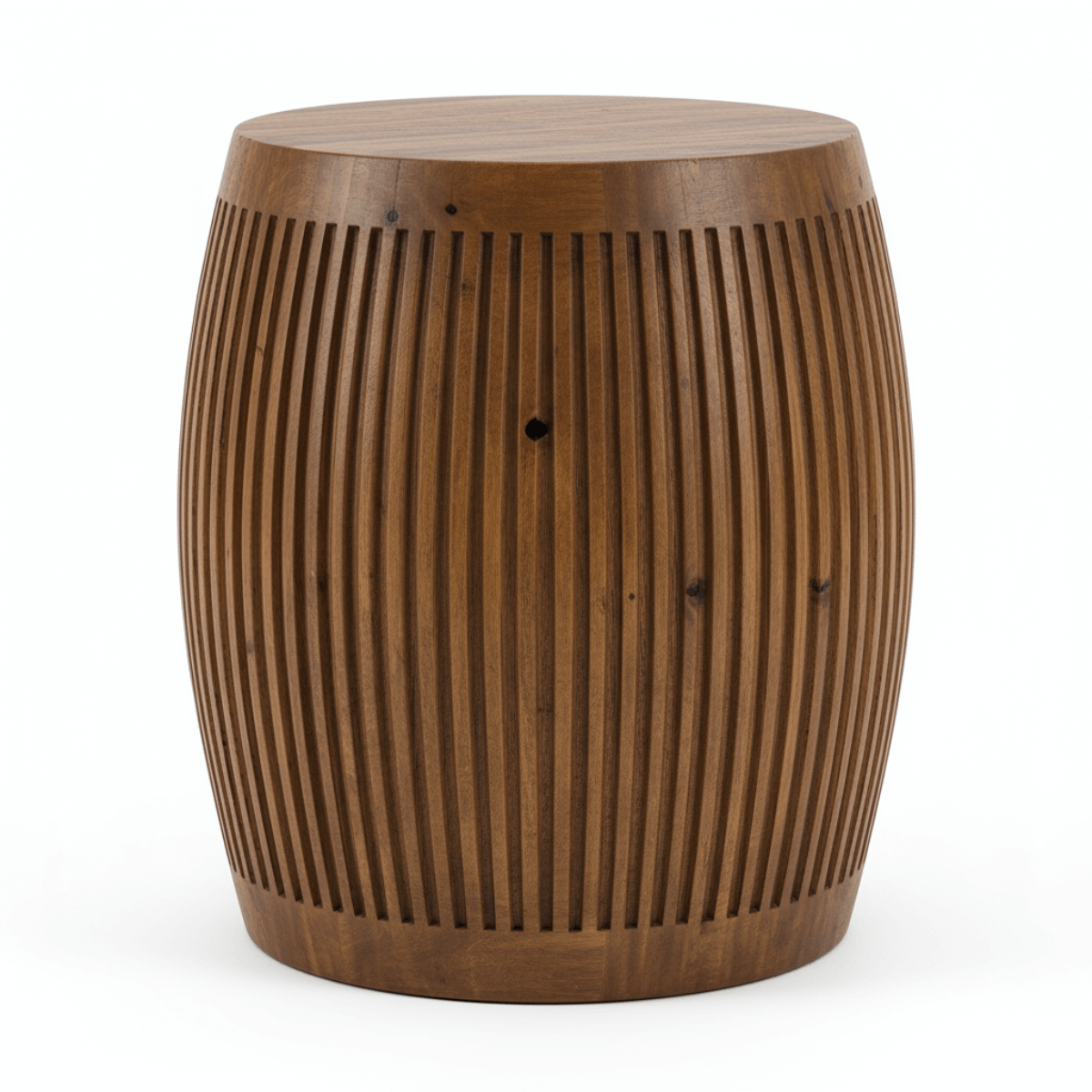
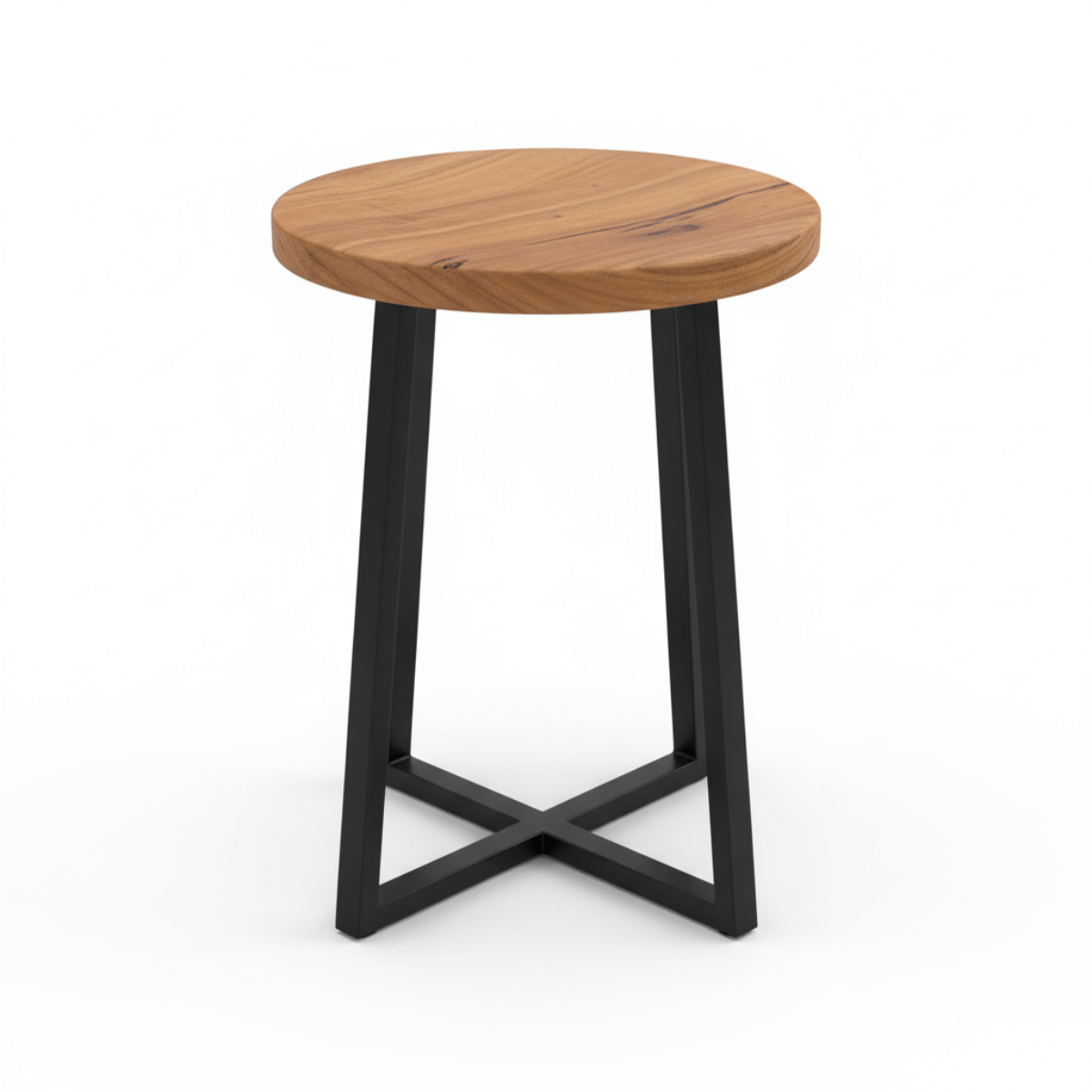
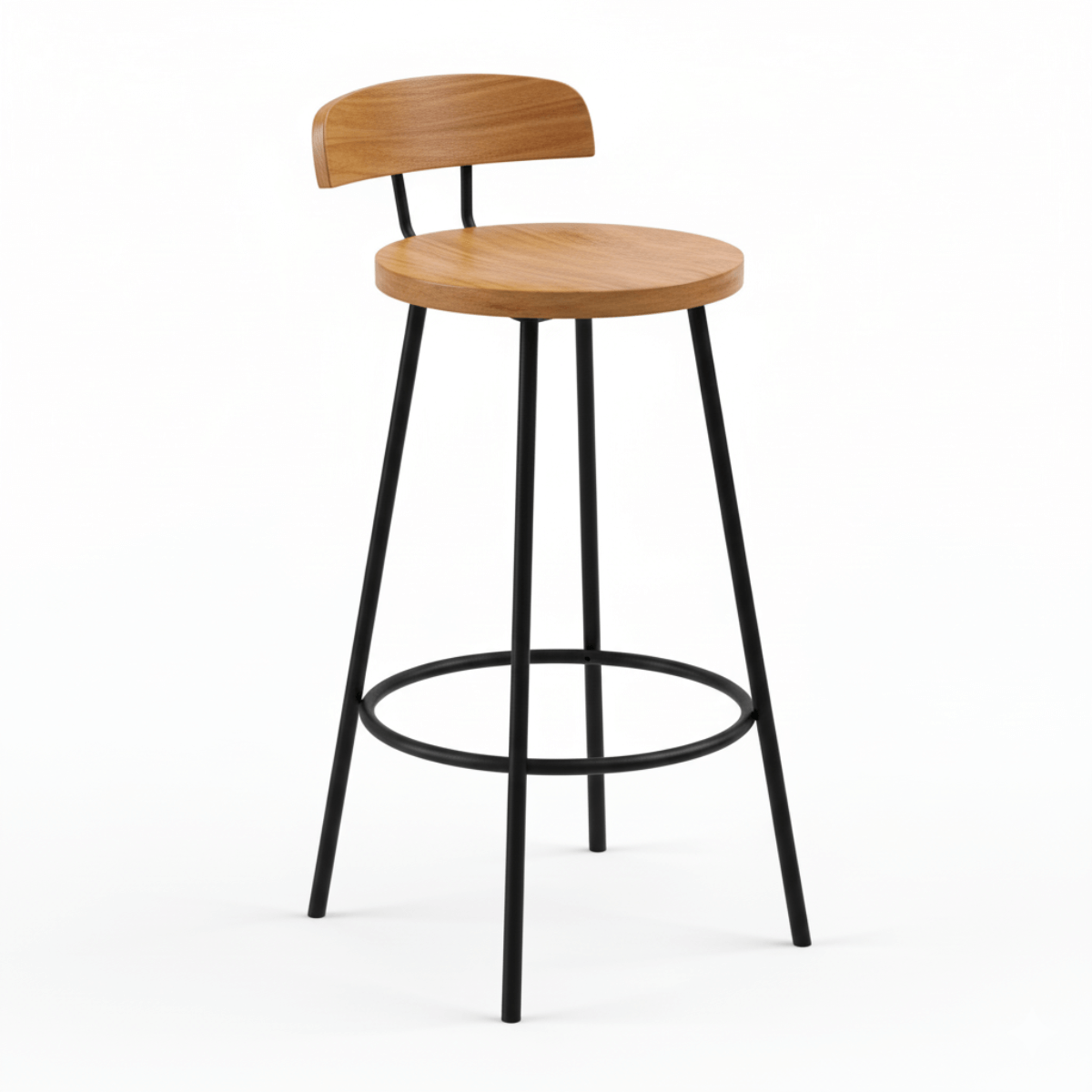


The global furniture trade is undergoing a structural realignment, and furniture sourcing from India has moved from being a smart tactical option to the strategic choice for serious B2B buyers. International importers, wholesale distributors, retail chains, and hotel procurement teams across the United States, United Kingdom, Netherlands, and Canada are increasingly consolidating India — and specifically the Jodhpur manufacturing cluster — as a primary or secondary supply chain hub. This is not sentiment. It is reflected in India's furniture export data, in the procurement decisions of buyers who have spent years working with factories in China and Vietnam, and in the commercial realities of 2026: rising tariffs, tightening sustainability regulations, and the irreversible shift toward supply chain diversification.
This article explains, from a manufacturer's perspective, why India has earned its position as the preferred furniture sourcing destination for container-load buyers — and why that position will only strengthen over the next several years.
The Global Furniture Sourcing Landscape in 2026
The furniture import market across North America and Europe has been reshaped by a series of compounding disruptions: Section 301 tariffs on Chinese goods (maintained and expanded under successive US administrations), the EU's enforcement of sustainability and timber legality regulations, and the supply chain fragility exposed during the 2020–2022 period. Buyers who once ran single-source China supply chains are now operating with deliberate geographic diversification.
In this environment, the primary question procurement teams are asking is not whether to diversify, but where to diversify. Vietnam and Malaysia have absorbed significant volume, but face their own capacity constraints and rising labour costs. Eastern Europe serves certain EU buyers for proximity, but cannot match Asian cost structures for solid wood, carved, or artisan furniture. India occupies a unique position: manufacturing scale, wood species diversity, deep artisanal skill, and a government export infrastructure that actively supports volume growth.
India's furniture and wood products exports have grown consistently, with the country targeting USD 10 billion in furniture exports by 2030 — a figure backed by dedicated export zones, production-linked incentive schemes, and bilateral trade agreements in various stages of negotiation. For a buyer placing recurring 40-foot container orders, this trajectory matters. It signals capacity investment, not capacity contraction.
Why Serious Buyers Are Moving Beyond China — And Why India Wins
The China+1 strategy is now mainstream procurement policy for mid-to-large importers. The logic is well understood: dependence on a single manufacturing geography for a product category as capital-intensive as furniture creates unacceptable risk exposure. The question has always been where the '+1' should be.
India's case against China and Vietnam is built on several concrete advantages:
- Tariff arbitrage: Indian furniture is not subject to the Section 301 tariffs that have increased the landed cost of Chinese furniture by 25% for US importers. This alone represents a material cost advantage on comparable solid wood products — often USD 8–15 per piece or more on higher-value items.
- Timber legality and EUDR compliance: The EU Deforestation Regulation (EUDR), phased in from 2025, requires importers to demonstrate that wood products are not sourced from deforested land. India's established forest governance, combined with the significant use of plantation-grown mango wood and certified teak in Jodhpur manufacturing, positions Indian furniture favourably against sourcing geographies with less transparent timber supply chains.
- Customisation latitude: China's furniture manufacturing ecosystem optimised for high-volume, standardised production. Indian manufacturers, particularly in the Jodhpur cluster, are structured for bespoke and semi-custom production at container-load MOQs. Custom dimensions, finishes, hardware, and private label requirements are native capabilities, not premium add-ons.
- Communication and relationship structure: India's business culture and widespread English fluency create a qualitatively different buyer-manufacturer relationship than many alternative sourcing geographies. Specification changes, QC feedback, and production updates are communicated with less friction.
India's Manufacturing Strength in Furniture — The Structural Factors
India's competitiveness in furniture export is not a function of low wages alone — though the labour cost differential with Western markets remains significant. It is the combination of several structural manufacturing advantages that create a durable competitive position:
Wood Species Availability
India has natural access to a range of commercially important timber species — mango, acacia, teak, sheesham (Indian rosewood), and reclaimed wood salvaged from demolished structures and heritage buildings. Mango wood in particular has become a globally recognised material in the wholesale furniture trade: it is plantation-grown (a sustainable credential), dense, durable, takes finishing well, and produces attractive grain patterns. The mango wood furniture export category from India has grown significantly as buyers in the EU and UK use it as an EUDR-compliant, aesthetically strong alternative to tropical hardwoods.
Skilled Labour Depth
Indian furniture manufacturing, particularly in Rajasthan, draws on generations of craft traditions. Jodhpur's artisan community has been working with solid wood for centuries — hand carving, traditional joinery, inlay work, and finishing techniques that cannot be replicated at scale in factory environments. For buyers whose product positioning includes the words 'handcrafted,' 'artisan,' or 'solid wood,' this is not a marketing claim — it is a verifiable manufacturing reality that translates directly into product differentiation at the retail level.
Production Scale for Container-Load Buyers
The Jodhpur cluster and broader Rajasthan furniture manufacturing ecosystem have the production capacity to service multiple concurrent container orders across product categories. A serious wholesale furniture buyer placing two to four 40-foot containers per quarter will find manufacturers with the floor space, workforce, and raw material procurement infrastructure to fulfil reliably. This is not always true of smaller or newer manufacturing clusters in alternative sourcing geographies.
Jodhpur: India's Solid Wood Furniture Export Capital
Within India's furniture manufacturing landscape, Jodhpur occupies a category-defining position for solid wood furniture. The city and its surrounding district are home to hundreds of furniture manufacturers and exporters, supported by a dense ecosystem of raw material suppliers, hardware merchants, finishing specialists, packing material vendors, and freight forwarders with deep experience in container stuffing for furniture.
Jodhpur manufacturers export primarily to:
- United States — the largest export market, with strong demand for mango wood accent furniture, dining sets, and bedroom furniture in rustic, farmhouse, and mid-century aesthetics
- United Kingdom — particularly for sheesham and teak furniture; demand spiked post-Brexit as buyers sought alternatives to EU-sourced products
- Netherlands and broader EU — driven by independent importers, specialist retailers, and furniture wholesalers who value Indian craftsmanship and competitive FOB pricing
- Canada — growing market, particularly for solid wood bedroom and dining furniture; buyers benefit from Canada's 0% MFN duty on most wooden furniture from India
- Australia, UAE, and Gulf Cooperation Council — additional significant markets demonstrating India's global export reach
The practical implication for a buyer evaluating sourcing from India is that Jodhpur is not an emerging cluster in development — it is a mature, export-proven manufacturing hub with the documentation capability, freight relationships, and buyer reference base that reduces sourcing risk significantly.
Skilled Craftsmanship & OEM / Private Label Capabilities
For private label brands and retail chains building proprietary furniture collections, India's OEM capability is a critical differentiator. An OEM furniture manufacturer in India can work from your technical drawings, CAD files, or even concept sketches to produce pieces built to your specifications, branded to your requirements, and packed to your planogram.
The process for private label buyers typically works as follows:
1. Design submission or co-development with the manufacturer's design team
2. Pre-production sample manufacture and approval (typically 3–5 weeks)
3. Production against confirmed specifications and approved sample
4. Third-party pre-shipment inspection (optional but recommended)
5. Container stuffing with custom-branded packaging and country-specific labelling
Minimum order quantities for private label production vary by complexity. As a general guide, most Jodhpur manufacturers will accommodate custom production for a minimum of one 20ft FCL per design grouping, or a mixed 40ft container covering multiple custom SKUs. For retail chains building seasonal ranges, the ability to commit to recurring seasonal containers is a strong commercial signal that unlocks better pricing, dedicated production capacity, and priority scheduling.
Cost Advantage Without Compromising Quality
The phrase 'cheap furniture from India' no longer accurately describes the market reality — and buyers who still operate on that assumption are sourcing the wrong products from the wrong suppliers. The accurate frame is cost efficiency: India delivers demonstrably better value per unit of craftsmanship quality than comparable sourcing geographies.
Here is what that looks like in practice for a buyer importing solid wood bedroom furniture in a 40-foot container:
|
Cost Factor |
India (Jodhpur FOB) |
China (comparable FOB) |
Vietnam (comparable FOB) |
|
Manufacturing labour |
Low — deep skilled workforce |
Rising — now comparable to some Indian regions |
Low-Medium — rising steadily |
|
Raw material (mango/teak) |
Competitive — locally sourced |
Mostly imported — higher landed cost |
Moderate — some local species |
|
Section 301 tariffs (US buyers) |
None applicable |
25% additional duty |
Under review — some exposure |
|
Customisation capability |
High — native OEM culture |
Medium — optimised for volume |
Medium — improving |
|
EUDR compliance risk |
Lower — plantation wood use |
Higher — scrutiny increasing |
Medium — documentation gaps |
|
Container freight to US East Coast |
Comparable — ~25-35 day transit |
Comparable — ~28-35 day transit |
Slightly shorter — ~22-30 day transit |
The total landed cost calculation consistently favours India for solid wood, artisan, and OEM furniture categories — particularly for US buyers absorbing Section 301 tariffs on Chinese goods, and EU buyers factoring in EUDR compliance costs.
Compliance & International Standards — What Indian Exporters Provide
A concern that some first-time India buyers raise is whether Indian manufacturers can meet the documentation and compliance requirements of their destination markets. For established Jodhpur exporters with active US, UK, EU, and Canadian customer bases, this is not a concern — it is a routine operational capability.
Standard compliance capabilities of a serious Jodhpur furniture exporter include:
- Phytosanitary certificates issued by NPPO India / APEDA for all solid wood products
- ISPM-15 compliant and marked wood packaging on all export shipments
- Lacey Act species and harvest origin declarations for US-bound shipments
- EUR.1 / REX declarations for EU GSP preferential duty claims
- UK Certificates of Origin for post-Brexit UK import procedures
- EUDR timber legality documentation — wood species, plantation source, chain of custody
- REACH compliance declarations for chemical finishes (lacquers, stains, treatments)
- Third-party pre-shipment inspection facilitation with SGS, Bureau Veritas, or Intertek
The key qualification is 'established exporter with active international customers.' This is why buyer verification — not just product catalogue review — is the critical first step in any India sourcing relationship. An active exporter handles these documents routinely. A trading company or domestic manufacturer with limited export experience does not.
Sustainability & Ethical Manufacturing — India's Growing Credential
Sustainability is no longer a differentiator for European and UK buyers — it is a baseline procurement requirement. The EUDR, the UK's due diligence requirements under the Environment Act, and the increasing ESG scrutiny applied to US retail chains' supply chains have fundamentally changed what buyers need to demonstrate to their own customers and regulators.
India's furniture manufacturing sector, particularly in Jodhpur, has several genuine sustainability credentials:
- Mango wood as a sustainable material: Mango trees are plantation-grown agricultural crops. When a mango tree stops bearing fruit productively (typically after 45–65 years), it is harvested for timber. This is a circular agricultural model with no deforestation impact — a powerful credential under EUDR and equivalent regulations.
- Reclaimed wood furniture: Jodhpur has a long tradition of manufacturing furniture from reclaimed and salvaged wood — old door frames, window frames, and structural timbers from demolished buildings across Rajasthan. This zero-new-deforestation credential is increasingly valued by buyers positioning products in the premium or conscious-consumer segment.
- Artisan employment and fair labour: India's furniture manufacturing clusters support large workforces of skilled artisans. For buyers who conduct or publish supply chain audits, India's established artisan manufacturing model and government labour regulations provide a documentable ethical manufacturing foundation.
- Water-based and low-VOC finish adoption: Progressive Jodhpur manufacturers are transitioning to water-based lacquers and low-VOC finishes in response to EU REACH requirements and buyer specifications. This is a work in progress across the industry, but buyers who specify it will find manufacturers who can comply.
Logistics & Container Shipping Advantages from India
India's container shipping infrastructure has improved markedly over the past decade. For furniture buyers, the relevant ports are Nhava Sheva (JNPT, Mumbai), Mundra (Gujarat — closest to Jodhpur), and Kandla. Mundra port is approximately 5–6 hours from Jodhpur by road and has seen significant capacity expansion. Most Jodhpur manufacturers route container shipments through Mundra or JNPT, depending on carrier availability and routing.
Key logistics data points for buyers planning container imports from India:
|
Destination Port |
Origin Port |
Typical Transit Time |
Common Carriers |
|
US East Coast (NY, NJ, Savannah) |
Mundra / JNPT |
25–32 days |
MSC, Maersk, CMA CGM, COSCO |
|
US West Coast (LA/Long Beach) |
Mundra / JNPT |
22–28 days |
Maersk, Hapag-Lloyd, Evergreen |
|
UK (Felixstowe, Southampton) |
Mundra / JNPT |
20–26 days |
MSC, Maersk, CMA CGM |
|
Rotterdam, Netherlands |
Mundra / JNPT |
18–24 days |
MSC, Evergreen, Hapag-Lloyd |
|
Vancouver / Prince Rupert, Canada |
Mundra / JNPT |
26–34 days |
Maersk, MSC, OOCL |
For buyers running tight replenishment cycles, the transit times from India are competitive with East Asian origins for European destinations, and broadly comparable for North American ones. The key planning input is lead time: add your production lead time (typically 6–12 weeks for mixed container orders) to transit time to calculate your total supply chain cycle. Serious buyers plan two container cycles in advance to maintain in-stock positions without air freight exposure.
Government Export Support & India's Trade Infrastructure
The Indian government's commitment to growing the furniture export sector is reflected in specific policy instruments that matter to buyers evaluating supply chain reliability:
- Production Linked Incentive (PLI) Scheme: Furniture was included in India's PLI programme, incentivising manufacturers to invest in production capacity and quality infrastructure. Buyers benefit from manufacturers who are investing in their facilities rather than extracting margin from ageing equipment.
- EEPC India and Export Promotion Councils: The Engineering Export Promotion Council and the Handicraft Export Promotion Council support Indian furniture exporters with trade fair participation, buyer-seller meets, and export market development. Buyers can use EEPC membership as one signal of an active, legitimate exporter.
- RoDTEP (Remission of Duties and Taxes on Exported Products): India's RoDTEP scheme refunds embedded taxes on exported goods, allowing manufacturers to price competitively at FOB without the hidden cost burden that reduces competitiveness in some manufacturing geographies.
- UK-India Free Trade Agreement (in negotiation): For UK buyers, the ongoing UK-India FTA negotiations carry the potential for duty reductions that would further improve the economics of India sourcing. Buyers who build India sourcing relationships now are positioned to benefit from preferential access as agreements are ratified.
Why US, UK, Netherlands & Canada Buyers Prefer India for Furniture Sourcing
United States
US importers have the most compelling economic case for furniture sourcing from India. The absence of Section 301 tariffs, combined with competitive FOB pricing and 0% MFN duty on most wooden furniture (HS 9403), delivers a landed cost advantage that has driven significant volume reallocation from China to India over the past five years. The US market's appetite for mango wood, reclaimed wood, and solid wood farmhouse and industrial-style furniture maps directly to Jodhpur's production strengths.
United Kingdom
Post-Brexit, UK importers gained the ability to negotiate their own trade terms with sourcing geographies. Indian furniture has performed well in the UK market for decades, and the ongoing UK-India FTA negotiations could create additional preferential access. UK buyers also benefit from India's compliance capability for BS 5852 fire regulations (relevant for upholstered furniture) and the availability of UK-origin certificates for customs purposes.
Netherlands & European Union
Dutch importers and EU wholesale buyers can leverage India's EU GSP status for preferential duty rates on furniture imports with valid EUR.1 or REX declarations. The EUDR compliance profile of Indian mango wood and teak furniture is increasingly a positive differentiator as EU customs authorities intensify enforcement. Rotterdam's position as Europe's largest container port and Jodhpur's competitive FOB rates make the total landed cost calculation consistently attractive.
Canada
Canadian furniture importers benefit from India's 0% MFN duty rate on most solid wood furniture categories under the Canadian customs tariff. With the market for artisan and solid wood furniture growing in urban Canadian markets, and with domestic production unable to meet demand competitively, India sourcing represents a well-established and growing channel for Canadian wholesale buyers and hotel procurement teams.
Who Should Be Sourcing Furniture from India in 2026?
Not every buyer is the right fit for India sourcing, and not every India sourcing relationship will succeed. The buyers who consistently get the best results share certain characteristics:
- Importers placing minimum one 20ft container per order: Below this threshold, the economics of FCL shipping, production scheduling, and manufacturer attention do not optimise well. If your volume is below container-load, consolidation services exist — but the full value of India manufacturer-direct sourcing is unlocked at FCL scale.
- Buyers with a 3–6 month planning horizon: India's production lead times (typically 6–12 weeks for container orders) plus shipping transit require a supply chain that plans ahead. Buyers running reactive replenishment will struggle. Buyers with planned seasonal buys or recurring forward orders will thrive.
- Private label and retail chain buyers building differentiated product: India's craftsmanship depth and OEM capability create product differentiation that is difficult to replicate with commoditised production. If your product positioning requires 'solid wood,' 'handcrafted,' or 'artisan' credentials that are verifiable and defensible, India manufacturing delivers this.
- Hotel and hospitality procurement teams with project timelines: For hotel furniture procurement — guestroom case goods, lobby furniture, restaurant and banqueting furniture — India offers the custom production capability, commercial-grade construction standards, and per-piece pricing that makes FF&E procurement from India commercially compelling at project scale.
- Buyers actively diversifying away from single-source China dependency: If your supply chain audit shows more than 60% furniture sourcing concentration in China, India is the logical primary diversification target. The combination of tariff, compliance, and customisation advantages makes it the most compelling China+1 option for the solid wood furniture category.
India's Position as the Premier Furniture Sourcing Destination
The argument for furniture sourcing from India in 2026 is not a single-variable cost argument. It is a multi-factor strategic position built on manufacturing depth, material authenticity, tariff advantages, OEM capability, compliance readiness, and a government export infrastructure that is actively investing in the sector's growth. Buyers who have built India sourcing relationships over the past decade are not reconsidering them — they are deepening them.
Jodhpur's furniture manufacturing cluster, in particular, offers something that no other manufacturing geography replicates at the same price point: genuine solid wood craftsmanship, produced by skilled artisans, in a manufacturing ecosystem that has been export-oriented for generations. That combination — craft, material, scale, and price — is why serious international furniture buyers continue to choose India.
At Pindel Handicraft, we manufacture and export solid wood furniture exclusively for the B2B trade. We work with importers, wholesalers, hotel furniture procurement buyers, and private label brands across the US, UK, Netherlands, and Canada. Every container we ship is backed by full documentation compliance, pre-production sample approval, and a manufacturer relationship built for the long term.
Ready to Start Importing?
Read our complete step-by-step guide: Complete Guide to Importing Furniture from India (For US, UK, NL & CA Buyers)" — covering containers, documentation, duties, QC, and lead times in full detail.
Or contact Pindel Handicraft directly to request a product catalogue, FOB price list, and container load guide.