

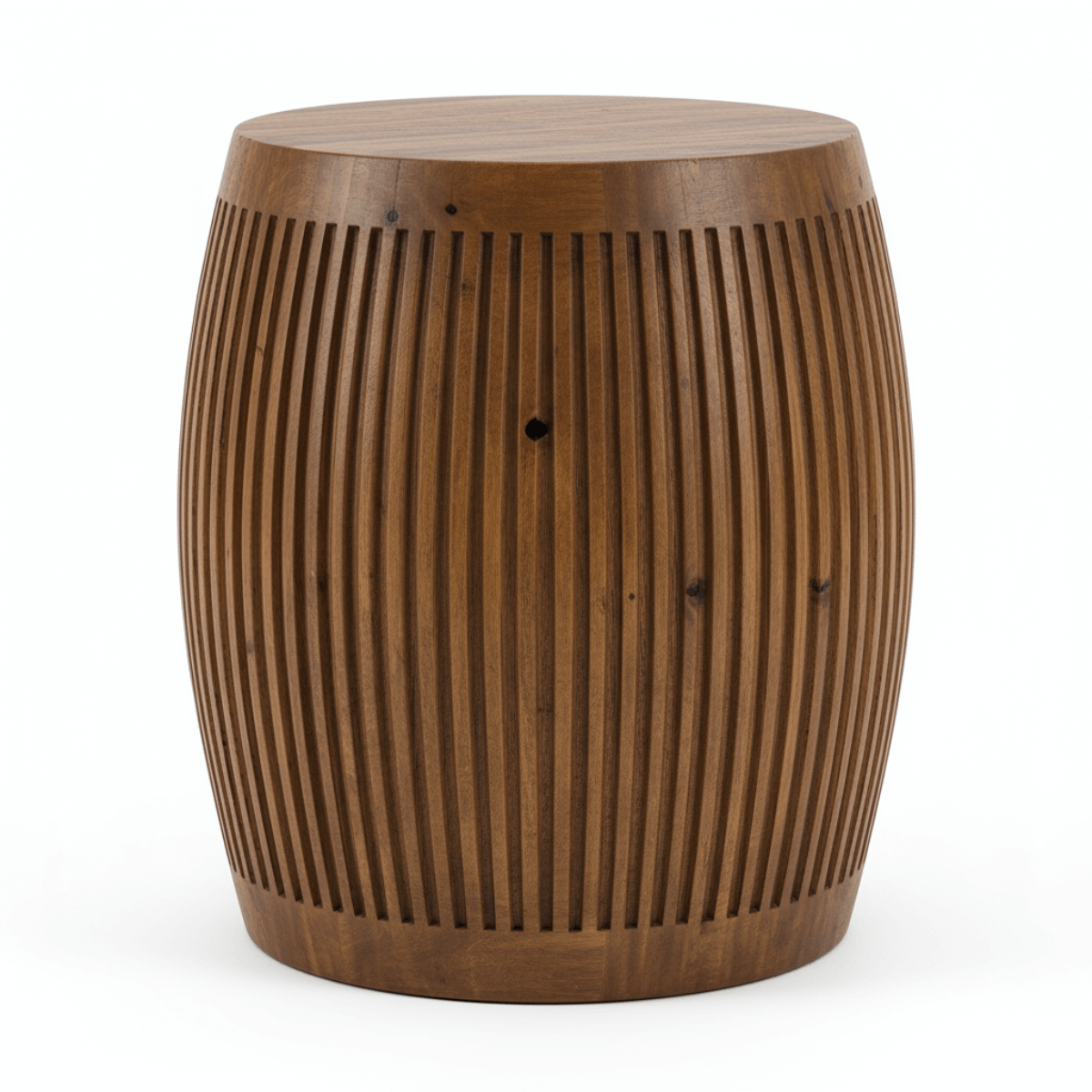
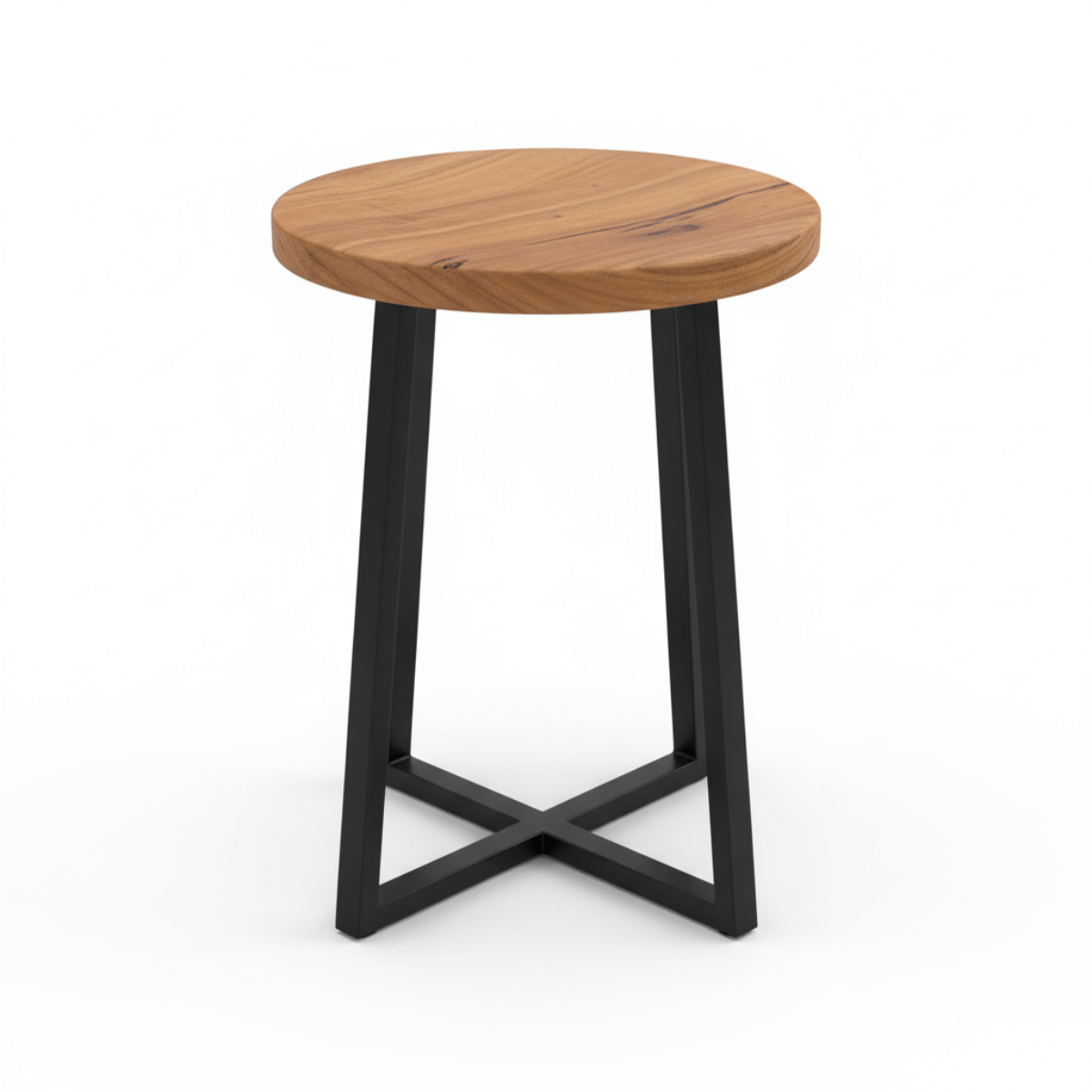
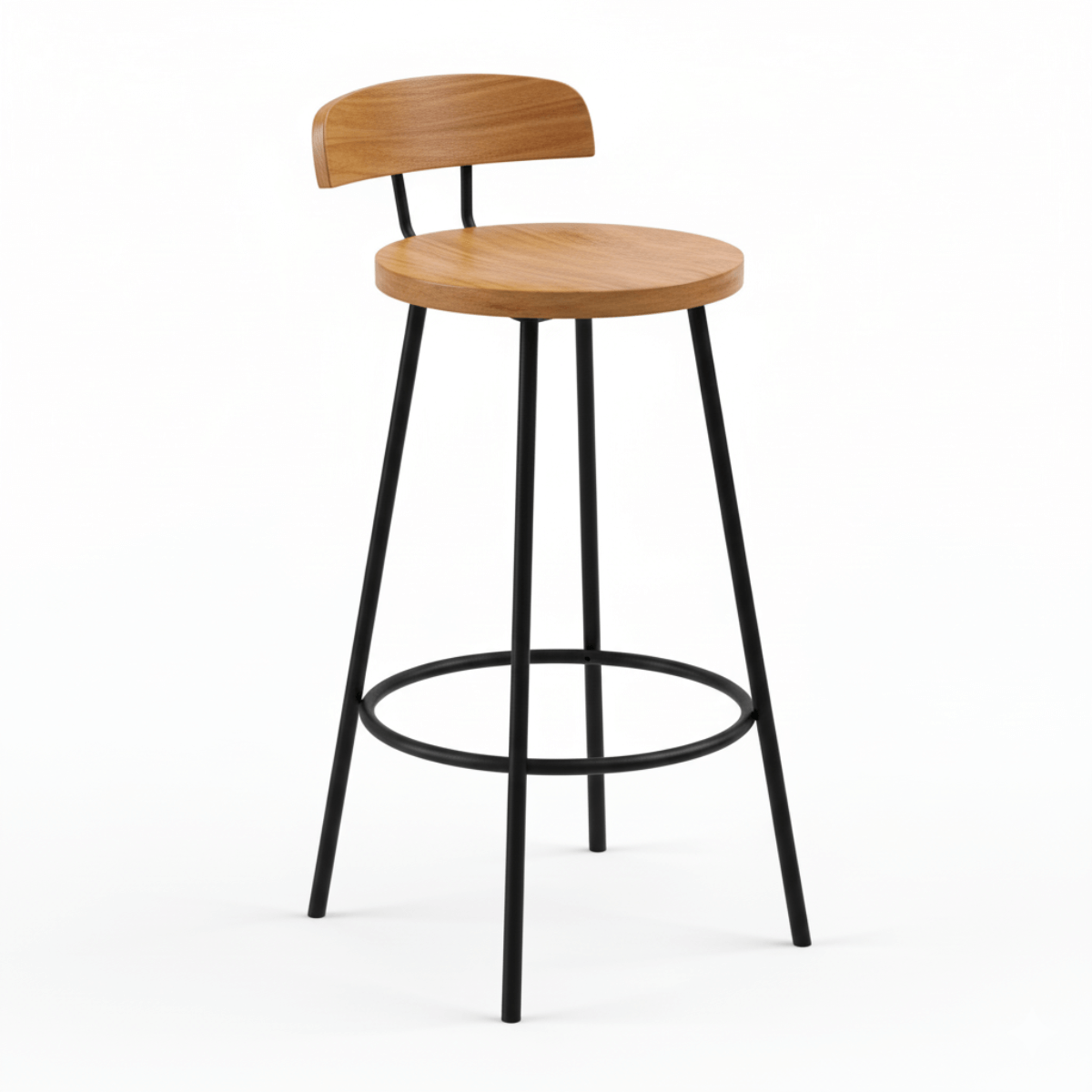


Something significant is happening in the global furniture trade. US importers who once relied almost exclusively on China, and later Vietnam, are now looking more seriously at a market that has been quietly building capacity, quality, and export infrastructure for decades: India.
The reasons are not hard to understand. Trade tariffs, rising factory wages, and post-pandemic supply chain disruptions have forced sourcing managers to rethink their supplier map. And when they do, India — particularly its solid wood furniture sector — keeps emerging as a compelling alternative.
At Pindel Handicraft, we have been working as a solid wood furniture manufacturer in India serving US importers, wholesalers, and private label brands for years. We have seen firsthand how buyer requirements have evolved, and we have built our manufacturing capabilities to meet them. This guide is written to help US-based sourcing professionals understand what makes India worth a serious look in 2025 — and what to ask before placing your first container order.
Request a Free Product Catalog
The Shift in US Furniture Sourcing: Why India Is Winning
Cost Competitiveness vs Vietnam, Malaysia & China
For most of the 2000s and 2010s, China was the undisputed default for furniture manufacturing. Then tariffs hit. Section 301 tariffs introduced under the US-China trade dispute pushed import duties on Chinese furniture to 25% or higher — a margin that fundamentally changed the economics of sourcing from China for most product categories.
Vietnam absorbed a significant share of that displaced demand. But Vietnam's manufacturing capacity has limits. Lead times have stretched, MOQs at quality factories have increased, and input costs — particularly for imported raw materials — have risen steadily. Malaysia faces similar capacity and cost pressures.
India offers a structurally different value proposition. Labor costs remain competitive. The country has abundant domestic reserves of quality hardwoods including sheesham (Indian rosewood), mango wood, and teak. And unlike some competing markets, India's furniture manufacturing cluster in Rajasthan — particularly around Jodhpur — has deep generational expertise in solid wood joinery, carving, and finishing that cannot be replicated overnight.
According to the Indian government's export promotion data, furniture and wood product exports have grown meaningfully year over year, with the United States consistently among the top three destination markets. For US buyers, that means more manufacturers with demonstrated export experience, better logistics infrastructure, and a competitive pricing environment.
Quality of Indian Solid Wood: Sheesham, Mango & Teak
One of the most common misconceptions among first-time India buyers is that solid wood furniture from India means lower quality. The opposite is often true — and the wood itself is a major reason.
Sheesham wood (Dalbergia sissoo), also known as Indian rosewood, is one of the most prized hardwoods in the world. It has a dense, interlocked grain structure that gives furniture exceptional strength and resistance to warping. The natural figuring — rich browns, golds, and occasional dark streaks — means every piece has genuine character. US buyers in the mid-to-premium furniture segment find sheesham dining tables and bedroom collections particularly compelling because the wood speaks for itself.
Mango wood has emerged as a strong secondary option, particularly for buyers looking at sustainable sourcing. Mango trees are harvested at the end of their fruit-bearing life, making the wood a genuine agricultural byproduct rather than a forest resource. The grain is tight, the color variation is beautiful, and the density is appropriate for furniture that needs to withstand daily use.
Teak, while more expensive due to tighter supply, remains the benchmark for outdoor and premium indoor furniture. Indian teak furniture carries a well-earned reputation in export markets for its natural oil content, dimensional stability, and longevity.
The craftsmanship dimension matters as well. Jodhpur's furniture manufacturing cluster has hundreds of years of woodworking heritage. Techniques like hand-carved detailing, mortise-and-tenon joinery, and hand-applied distressed finishes are not production shortcuts — they are genuine skills passed between generations of artisans. That heritage is reflected in Indian handicraft furniture that US buyers increasingly position as a premium offering in their retail assortments.
Key Advantages of Sourcing Solid Wood Furniture from India
OEM & Private Label Capabilities
The Indian furniture export sector has matured significantly in terms of its ability to support OEM furniture manufacturing and private label programs. This is not a market of commodity products looking for any buyer — leading manufacturers have invested in design teams, CAD capabilities, and product development infrastructure that allows them to work as genuine production partners.
For US brands looking to build exclusive collections without establishing their own manufacturing, India offers real flexibility. You can bring your own designs and have them faithfully executed. You can work with a manufacturer's design team to develop a range that carries your label. Or you can take an existing collection, make modifications for dimensions, finishes, or hardware, and market it as your own product line.
Private label furniture manufacturing in India typically includes export-ready packaging with your branding, neutral or branded cartons, and documentation prepared to your requirements. Manufacturers experienced in the US market understand labeling regulations, country of origin requirements, and the documentation expectations of major retail supply chains.
Customization at Scale — Finishes, Sizes & Upholstery
One area where Indian manufacturers consistently outperform competitors in Southeast Asia is the depth of customization available at commercially viable order quantities. This is a direct result of the artisan manufacturing model — where skilled labor rather than fixed automation defines the production process.
Finish customization is extensive. Beyond standard lacquer or oil finishes, manufacturers in Jodhpur can produce hand-rubbed distressed finishes, whitewash effects, multi-step antiquing, and custom stain colors matched to Pantone or RAL references. For retailers building a cohesive collection, this means a consistent finish language across a full range of pieces.
Dimension customization is similarly flexible. Standard US sizing — in particular for dining tables, beds in king/queen/full dimensions, and storage pieces designed for US room footprints — can be incorporated into production runs without significant tooling costs. Upholstery integration, whether fabric seat pads, fully upholstered bed heads, or cushioned bench seating, can be handled within the same factory or through established local supplier relationships.
Hardware options — drawer pulls, hinges, ring handles in brass, iron, or antique bronze — are sourced from a dense local hardware cluster and can be specified at the product level, giving buyers granular control over the final aesthetic.
Compliance with US Import Regulations
Regulatory compliance is where inexperienced importers can run into costly problems. A reliable solid wood furniture supplier in India will be well-versed in the requirements that govern export to the US market.
Fumigation is a non-negotiable first step. All solid wood furniture exported to the US must comply with ISPM-15 phytosanitary standards. This means heat treatment or methyl bromide treatment of all wood packaging materials, with appropriate certificates issued by an authorized inspection body. Reputable manufacturers manage this as part of their standard export process.
Lacey Act compliance requires documentation of the legal origin of all wood species used in production. Manufacturers sourcing from certified or tracked wood supply chains can provide the species declarations and chain-of-custody documentation that US Customs requires.
Container packing and export documentation — commercial invoices, packing lists, certificates of origin, bill of lading — should be prepared to standard formats. Manufacturers with experience shipping to the US understand these requirements and reduce the administrative burden on the importer.
Get a Custom Quote — Share your product list and receive competitive bulk pricing within 48 hours
What to Look for in an Indian Solid Wood Furniture Manufacturer
Factory Certifications and Quality Standards
Not all manufacturers are equal, and the most important due diligence you can do before placing an order is to verify that a potential supplier meets baseline quality and compliance standards.
ISO 9001 certification indicates that a manufacturer has established documented quality management processes — a meaningful signal that production consistency is taken seriously rather than left to chance. Ask to see the certificate and verify it is current.
FSC (Forest Stewardship Council) certification on wood sourcing is increasingly important for US retailers who face consumer or corporate sustainability requirements. FSC-certified manufacturers can provide documentation that confirms wood is sourced from responsibly managed forests — a requirement for some retail supply chains and a competitive advantage in others.
Beyond certifications, ask about quality inspection processes. How are products inspected before container loading? Are there pre-shipment inspection reports available? Can the manufacturer accommodate third-party inspection by a firm like Bureau Veritas or SGS? These questions reveal a lot about a supplier's confidence in their own quality standards.
Minimum Order Quantities (MOQ) and Lead Times
Understanding MOQ and production timelines upfront saves significant frustration later. For wholesale wood furniture manufacturers in India, typical MOQs vary by product category and manufacturer size.
For a mixed container order (grouping multiple SKUs to fill a 20-foot or 40-foot container), many established manufacturers will work with per-SKU minimums of 10-20 pieces for standard items. Full container orders of a single SKU typically start at 50-100 units depending on the item size and complexity.
Production lead times for export orders generally run between 45 and 75 days from confirmed purchase order and deposit receipt. Complex items with significant carving, upholstery, or multi-step finishing processes may require additional time. For seasonal US retail programs, this means orders for Q4 should ideally be placed by July or August at the latest.
Container consolidation services — where a freight forwarder combines your shipment with other buyers to reduce per-unit shipping costs — are an option for smaller initial orders. Many manufacturers work with established freight partners who offer this service, reducing the barrier to entry for buyers testing a new supplier.
Export Experience & References from US Buyers
Export experience is not just a credential — it is a capability that translates into fewer problems at every stage of the order process. A manufacturer who has shipped to the US dozens of times understands the nuances of US Customs requirements, the importance of accurate HS code classification, and the packaging standards that prevent transit damage on long sea freight routes.
Ask potential suppliers for references from existing US buyers. A manufacturer confident in their service record will provide them without hesitation. Speaking to another US importer about their experience — on quality, communication, lead time adherence, and problem resolution — gives you information that no catalog or factory visit can substitute.
Communication quality during the production process matters as well. Will you receive regular production updates? How are quality issues raised and resolved? Is there an English-speaking account manager who understands your business requirements? These operational factors often determine whether a supplier relationship works long-term.
How Pindel Handicraft Serves US Importers
Pindel Handicraft is a Jodhpur-based solid wood furniture manufacturer with a focused export operation built around the requirements of US wholesale buyers, importers, and private label brands. Our manufacturing facility produces solid wood furniture across multiple residential categories, with the majority of our output shipped to the United States.
We work directly with importers, retail buying offices, interior product brands, and e-commerce furniture companies. Our team includes dedicated account managers, an in-house design team, and a quality control process that covers raw material inspection, in-process checks, and pre-shipment final inspection before every container is loaded.
Product Range and Collections
Our export range is organized around the core residential categories that US importers source most actively:
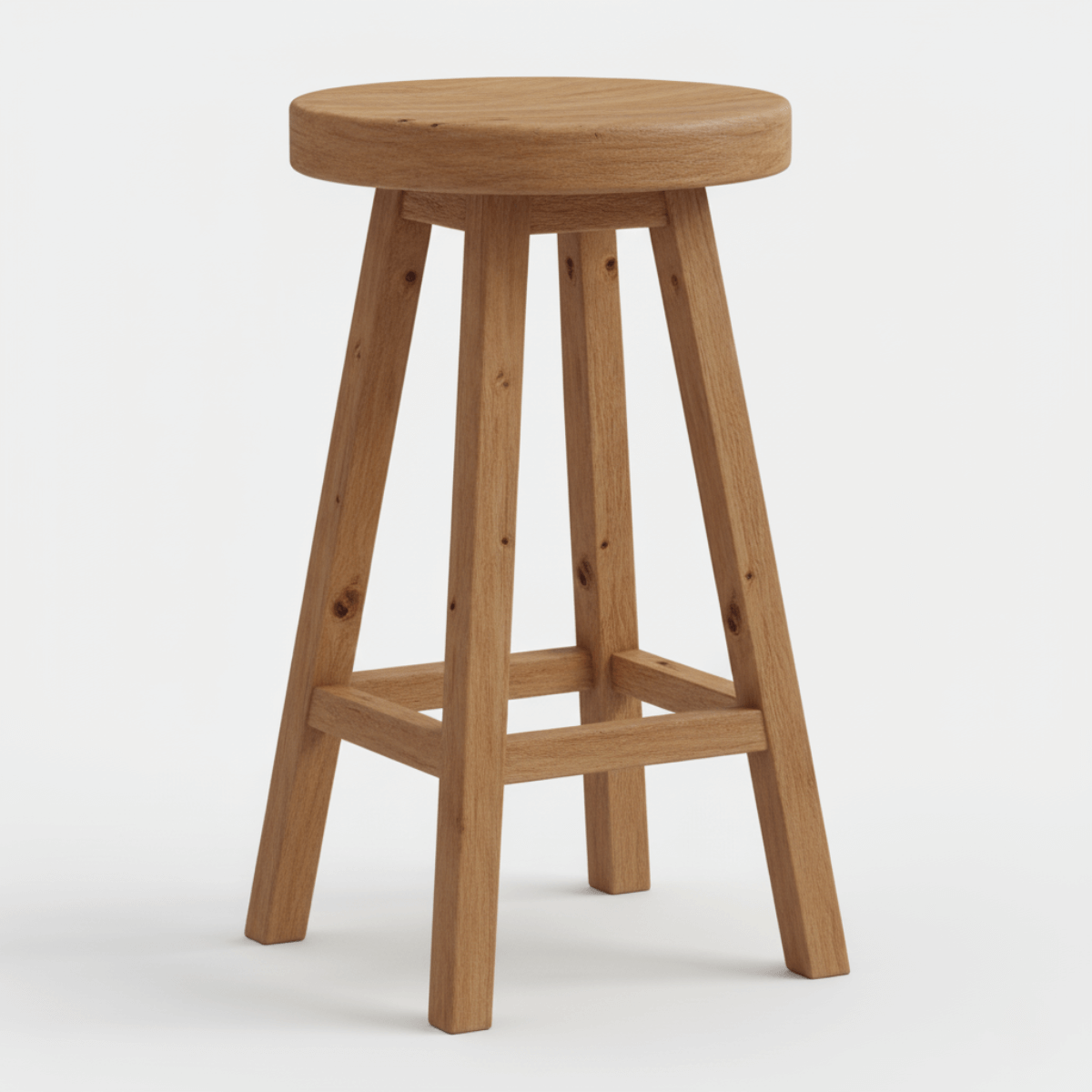
- Solid Wood Dining Furniture — dining tables in sheesham, mango, and acacia; matching bench seating; dining chairs with upholstered or solid wood seats; bar and counter height options
- Bedroom Furniture Collections — bed frames in platform, panel, and storage configurations; matching nightstands, dressers, and armoires; sheesham and mango wood collections in multiple finish options
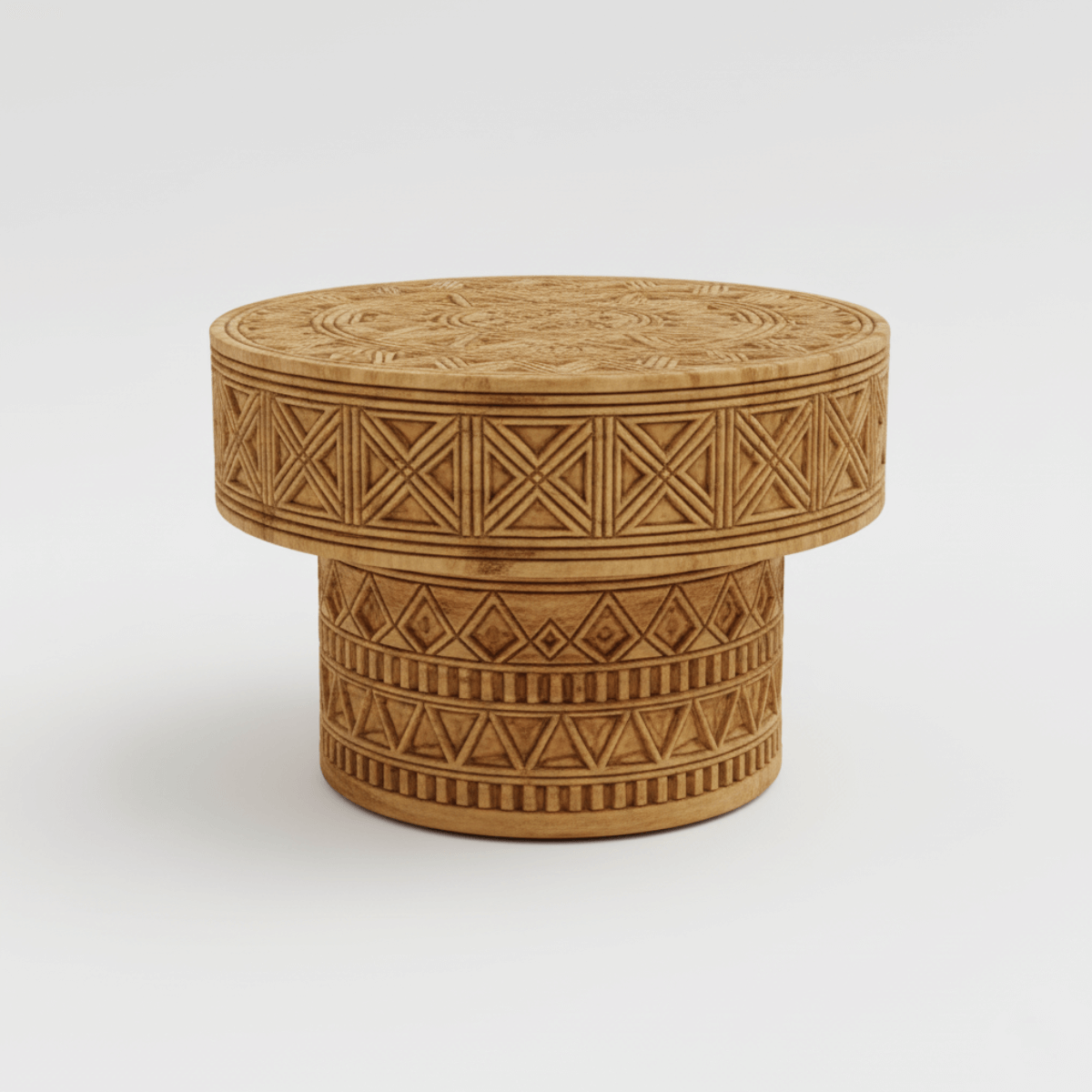
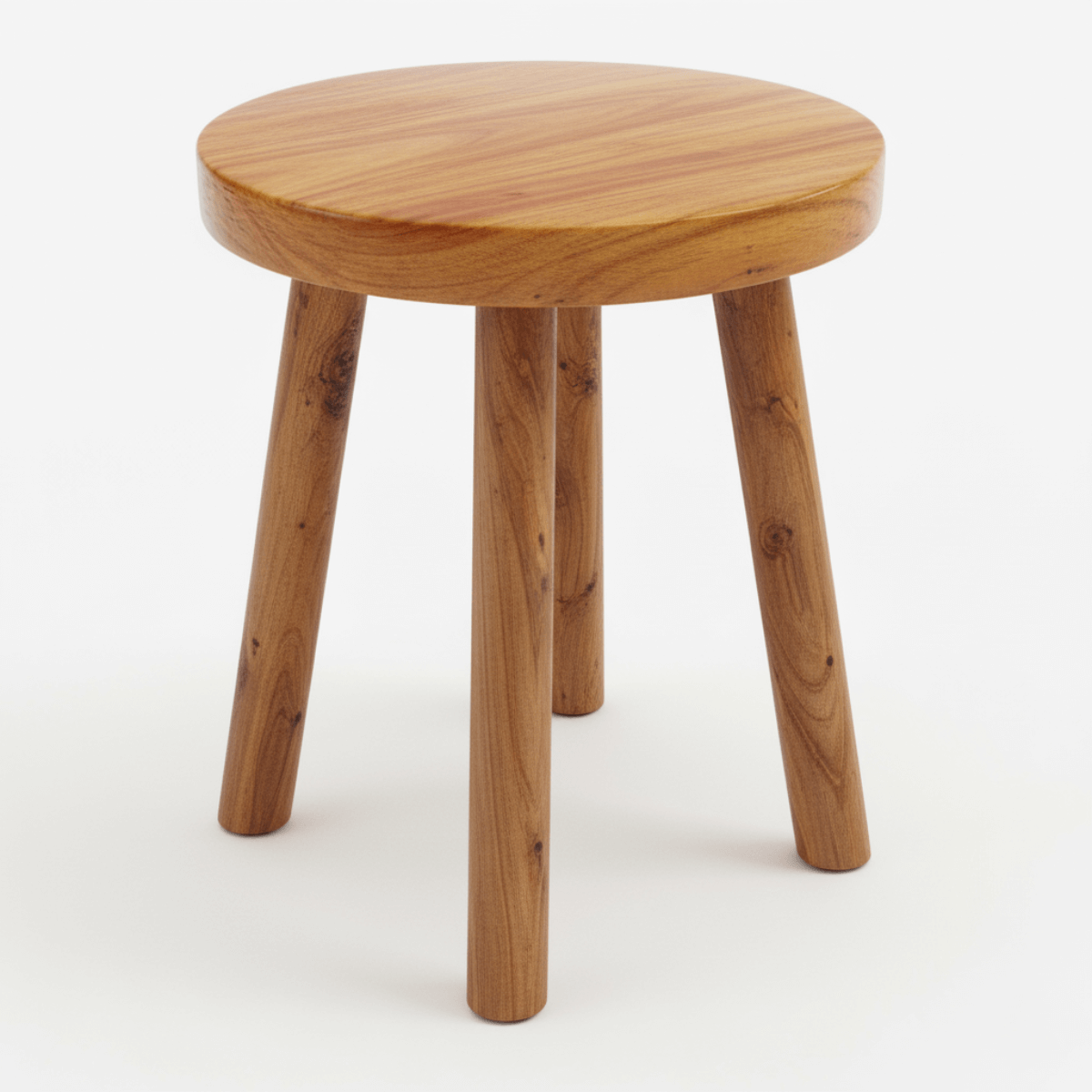
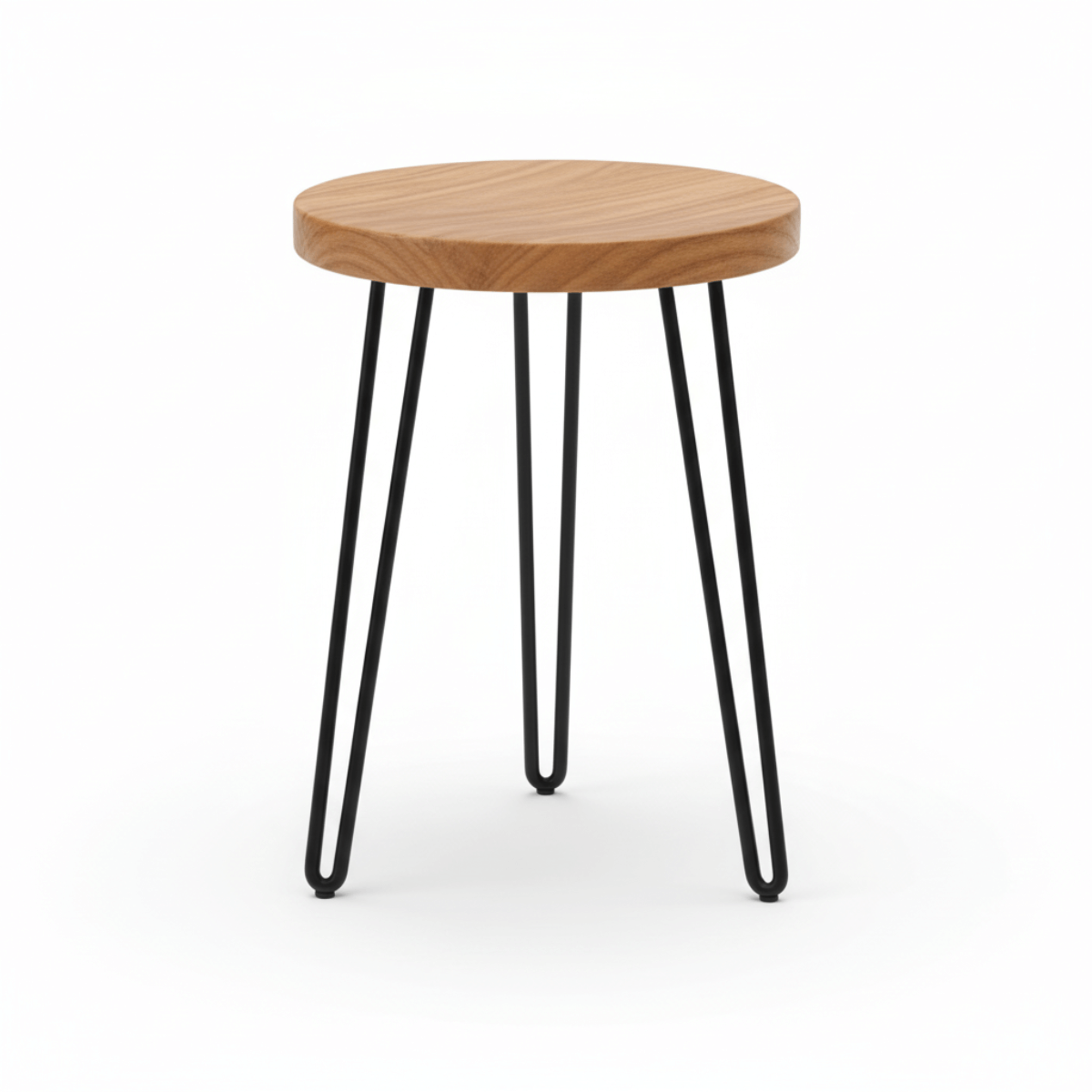
- Living Room Furniture — console tables, side tables, coffee tables, media units, and accent pieces; available in coordinated collection sets or as individual SKUs
- Storage Furniture — sideboards, buffets, cabinets, bookshelves, and wardrobes; functional pieces with traditional Indian craftsmanship details
Each category is available as a standard product range or can be developed as a custom or private label collection built to your specifications. Our Solid Wood Collections are designed to work as complete room packages, which simplifies ranging decisions for wholesale buyers and retailers.
OEM / White Label Manufacturing Services
For buyers looking to build proprietary product lines, Pindel Handicraft offers full OEM and white label manufacturing services. We work from your technical drawings, reference images, or product briefs. Our design team can develop production-ready specifications and present samples for approval before production begins.
Our white label services include neutral or branded packaging, customized hang tags and care labels, and documentation prepared to your specifications. We have experience with the supply chain requirements of major US furniture retail chains, home goods importers, and direct-to-consumer furniture brands.
Lead the conversation with your product list and target price points. We will come back with a clear assessment of what is achievable and where we can add value. This is not a catalog-and-quote operation — we treat every inquiry as the beginning of a long-term supply relationship.
Book a Video Factory Tour — See our manufacturing process, wood quality, and finishing capabilities live
Frequently Asked Questions
Q1. Who are the best solid wood furniture manufacturers in India?
The leading solid wood furniture manufacturers in India are concentrated in Jodhpur, Rajasthan, which is recognized as India's furniture export capital. Top manufacturers combine heritage craftsmanship with modern export infrastructure — including quality management systems, FSC-certified wood sourcing, and dedicated US export experience. Pindel Handicraft is among the established Jodhpur-based exporters with a focused US market operation, producing sheesham, mango, and teak wood furniture for importers, wholesalers, and private label brands.
Q2. What is the MOQ for wholesale furniture manufacturers in India?
Most established wholesale wood furniture manufacturers in India operate with per-SKU minimums of 10 to 20 pieces for mixed container orders. Full container orders for a single item typically start at 50 to 100 units. Many manufacturers will work with container consolidation for smaller first orders, allowing buyers to test a supplier with a more limited financial commitment. MOQs vary by manufacturer size, product complexity, and whether custom specifications are involved.
Q3. Is Indian solid wood furniture good quality?
Yes — Indian solid wood furniture, particularly pieces manufactured in Jodhpur from sheesham (Indian rosewood) or mango wood, is recognized globally for its quality, durability, and craftsmanship. The hardwood species used are dense, stable, and well-suited for furniture that sees daily use. The region has centuries of woodworking heritage, and skilled artisan labor enables finishing details — carved elements, hand-applied distressed finishes, and hand-cut joinery — that are difficult to replicate at comparable price points in other manufacturing markets.
Q4. How long does it take to import furniture from India to the US?
Total lead time from order confirmation to US port arrival typically runs 75 to 110 days. This includes production time (45 to 75 days), pre-shipment inspection and container loading (5 to 7 days), and sea freight transit from Nhava Sheva (Mumbai) or Mundra port to US West Coast ports (approximately 25 to 30 days) or East Coast ports (30 to 35 days). Customs clearance adds a few additional days. Planning inventory 90 to 120 days in advance is standard practice for importers sourcing from India.
Q5. What wood is commonly used in Indian furniture exports?
The three primary wood species used in Indian furniture exports to the US are sheesham (Dalbergia sissoo / Indian rosewood), mango wood, and teak. Sheesham is prized for its strength, natural grain variation, and premium appearance. Mango wood is popular for its sustainability credentials — it is harvested from retired fruit trees — and its attractive figuring. Teak commands a premium for its durability and natural oil content, making it particularly suitable for outdoor furniture and high-end indoor pieces.
India Is a Strategic Sourcing Decision, Not a Fallback
The US furniture market is in the middle of a genuine supply chain realignment. The combination of tariff pressure on China, capacity constraints in Vietnam, and rising expectations around sustainability and product quality has created real demand for alternatives that can deliver on all three dimensions.
India — and specifically the solid wood furniture manufacturing cluster centered on Jodhpur — is not a compromise option. It is a sourcing destination with legitimate competitive advantages: exceptional hardwood materials, deep artisan expertise, flexible customization capabilities, and a growing cohort of export-experienced manufacturers who understand what US buyers need.
If you are evaluating options for your next sourcing program, we would encourage you to put a solid wood furniture manufacturer in India on your shortlist — not as a backup, but as a primary consideration. The economics work. The quality is demonstrable. And the export infrastructure to support a long-term supply relationship is in place.
Pindel Handicraft is ready to support that conversation. Whether you are a first-time India importer or an experienced buyer looking for a new manufacturing partner, we offer the product range, OEM capability, and operational transparency that serious sourcing decisions require.
Start the Conversation — Contact Pindel Handicraft for wholesale pricing, sampling, and factory information.