

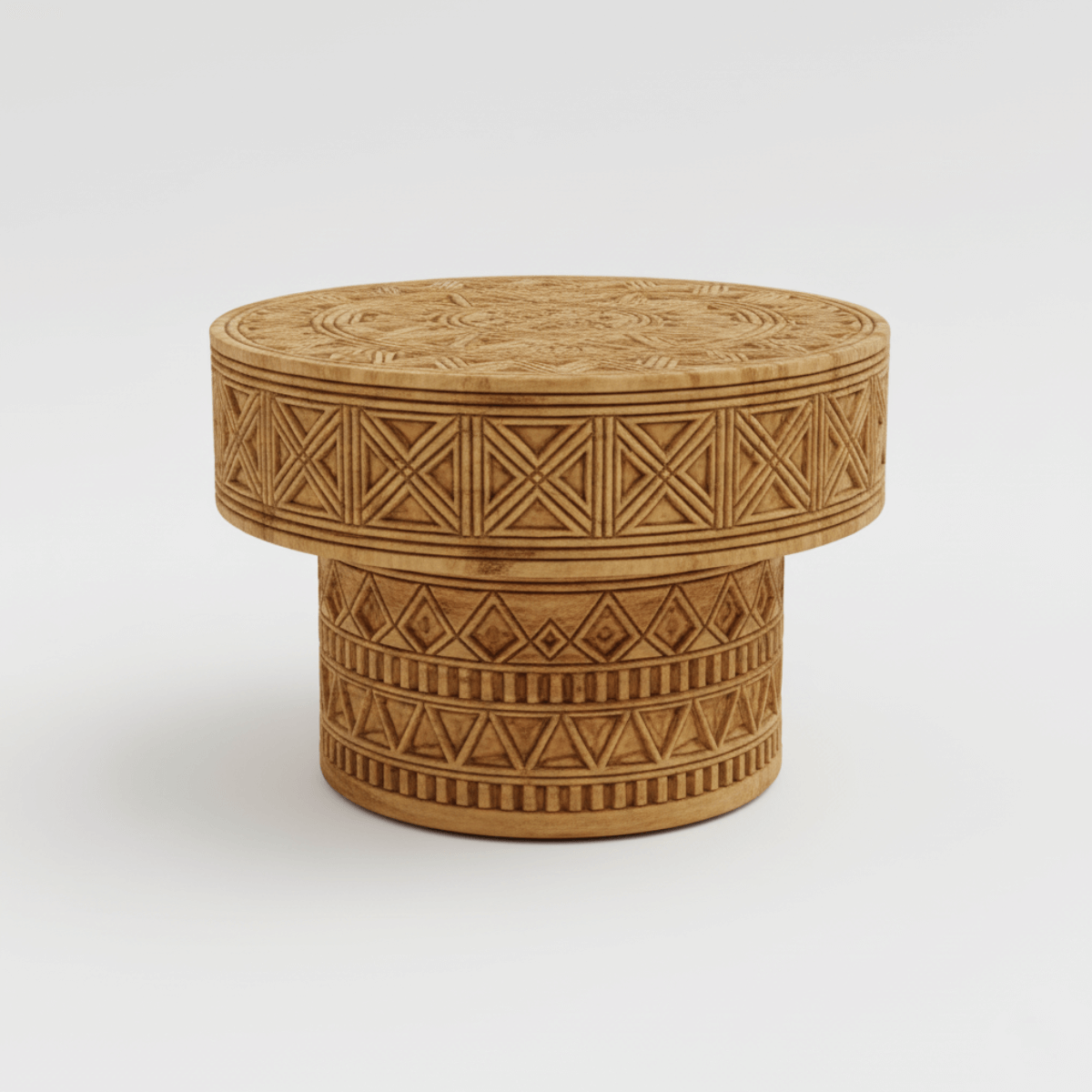
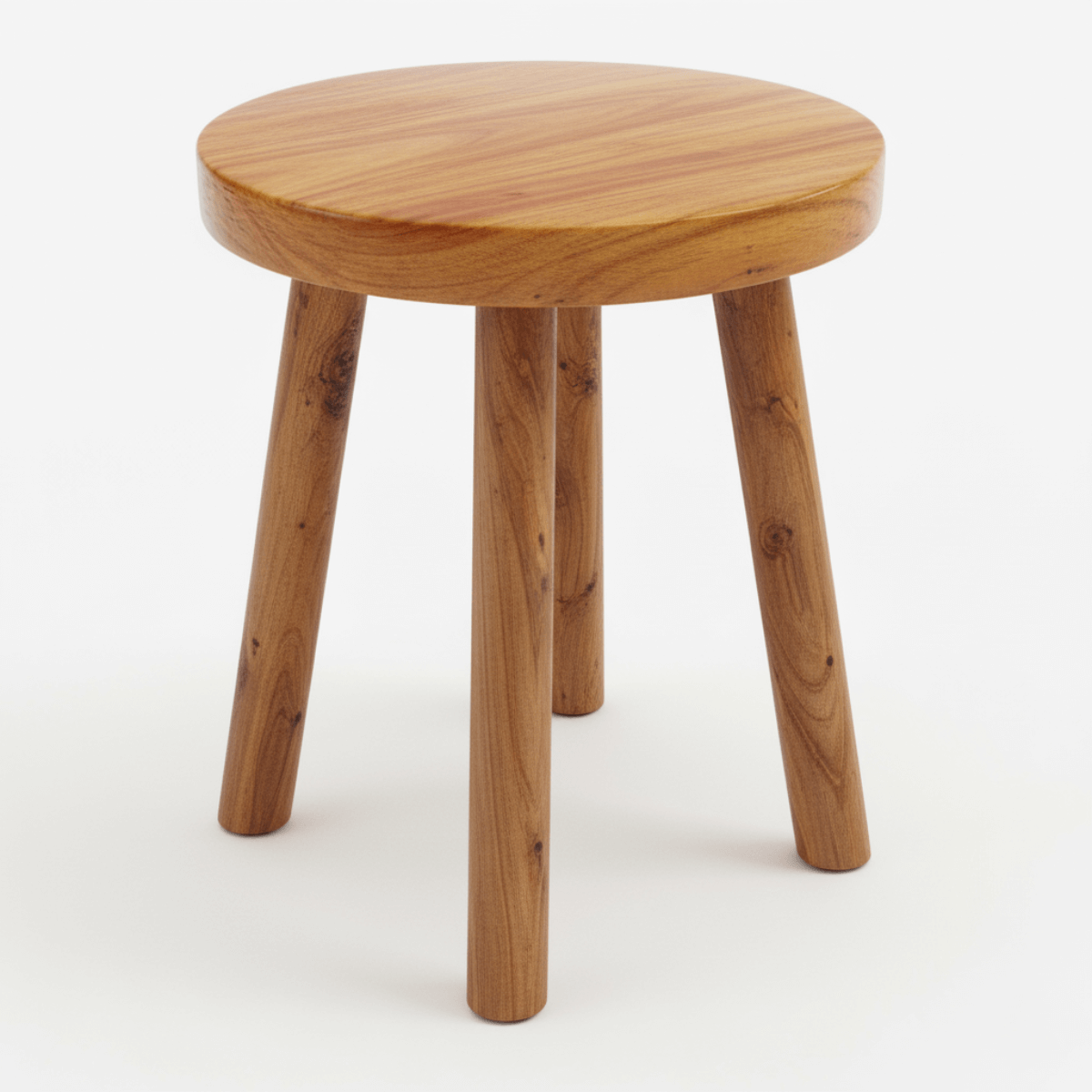
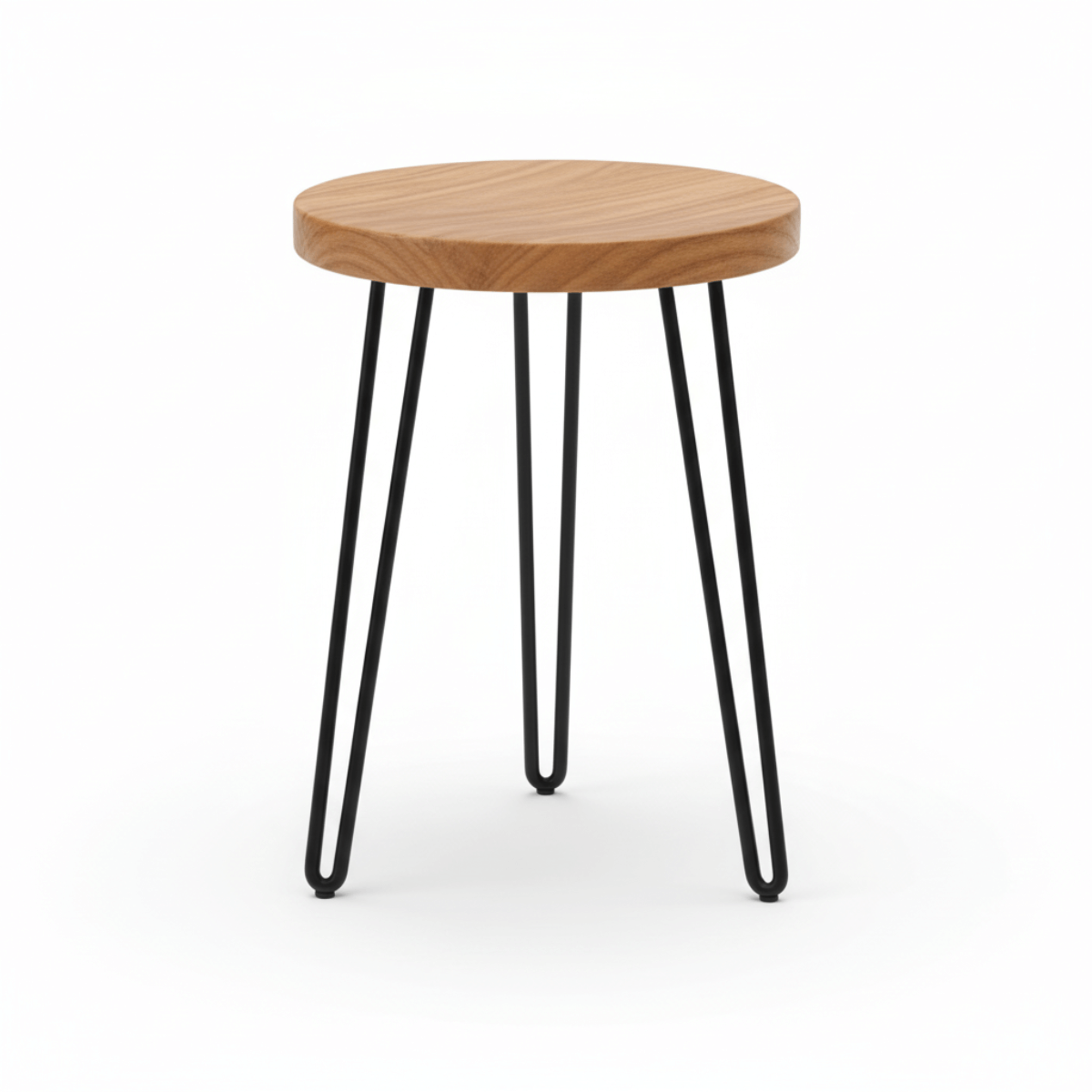
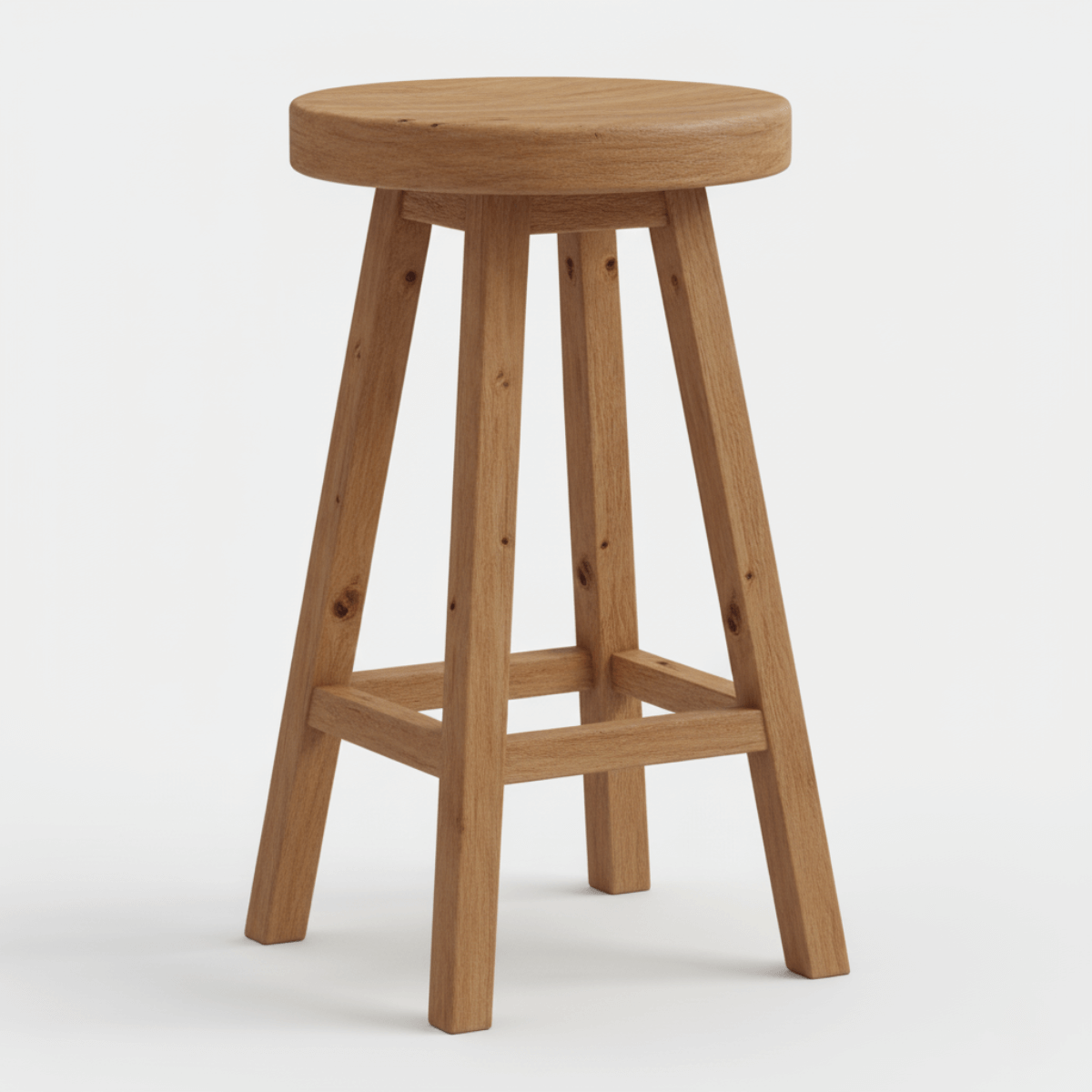


Whether you're placing your first container order or scaling an existing import program, this step-by-step breakdown covers everything: documentation, duties, freight costs, compliance requirements, and the common mistakes that cost first-time buyers both time and money.
Why US Importers Are Sourcing Furniture from India
India has quietly become one of the most strategically important sourcing destinations for US furniture buyers — and the numbers back it up. India is currently among the top five furniture exporters to the United States, and that position has only strengthened as buyers look to diversify away from China following Section 301 tariff escalations.
Here's why US importers are making the shift:
Cost Advantage Without Quality Sacrifice
Solid wood furniture manufactured in India — particularly from hubs like Jodhpur, Saharanpur, and Rajasthan — is typically priced 30–50% lower than comparable products sourced from China or Southeast Asia, while maintaining strong craftsmanship standards. Labor costs in India remain competitive, and the country has deep reserves of skilled woodworking artisans with generations of craft expertise.
Tariff Relief Compared to China
Indian furniture currently faces significantly lower US import duties compared to Chinese goods, which are subject to an additional 25% Section 301 tariff on most furniture categories. For importers watching margins carefully, this difference alone makes India compelling.
Abundant Raw Material Access
India sources hardwoods including sheesham (Indian rosewood), mango wood, acacia, and teak — all of which are highly desirable in the US market for their durability, grain character, and natural aesthetics.
Established Export Infrastructure
Major Indian furniture-producing regions now have well-developed export ecosystems — freight forwarders, inspection agencies, compliance consultants, and experienced manufacturers who understand US buyer requirements and documentation standards.
For a deeper look at why India stands out as a sourcing destination, read our blog on Why India is the Best Country to Source Solid Wood Furniture.
Step-by-Step: How to Import Solid Wood Furniture from India to the USA
Step 1 — Identify and Vet Your Indian Manufacturer
The foundation of a successful furniture import program is finding a manufacturer you can trust. This step deserves more time than most first-time buyers give it.
Start by identifying manufacturers through trade directories (IndiaMart, Alibaba, TradeIndia), trade shows (India International Furniture Fair, Heimtextil India), or sourcing agents. Once you have a shortlist, vet each supplier thoroughly before committing.
Key vetting criteria include:
- Export experience: Has the manufacturer shipped to the US before? Do they understand US compliance requirements including CARB and the Lacey Act?
- Production capacity: Can they handle your required volumes consistently, especially if you plan to scale?
- Quality control systems: Do they have in-house QC, or do they rely solely on third-party inspections?
- References and reviews: Ask for references from existing US clients. Legitimate exporters will provide them.
- Factory visit or virtual audit: If budget permits, visit the facility. Otherwise, request a detailed factory audit from a third-party agency like SGS, Bureau Veritas, or Intertek.
Step 2 — Request Samples and Confirm Specifications
Never place a production order without approving physical samples. This step protects you from expensive surprises when the container arrives at your US warehouse.
When requesting samples:
- Specify exact dimensions, wood species, finish type (oil, lacquer, wax), joinery method, and hardware requirements
- Request a finish sample board alongside the prototype to evaluate color accuracy under different lighting
- Test for structural integrity — joints, drawer slides, door alignment, and surface quality
- Confirm packaging specifications (foam density, corner guards, carton strength) since furniture is highly vulnerable to transit damage
Sample costs are typically charged to the buyer and can range from $50 to $300+ per piece depending on complexity, though many manufacturers credit this against your first production order.
Document every specification in a written tech pack or product specification sheet. This becomes your quality benchmark for production and inspection.
Step 3 — Negotiate MOQ, Pricing, and Incoterms
Once samples are approved, move into commercial negotiations. Three elements matter most here: minimum order quantity, unit pricing, and Incoterms.
MOQ (Minimum Order Quantity) Indian manufacturers typically have MOQs ranging from 50 to 200 pieces per SKU for solid wood furniture, though this varies by product complexity and factory size. If you're testing a new product, negotiate mixed-container orders or reduced MOQs for an initial trial shipment.
Pricing Request an itemized quotation that separates the ex-factory unit price from packaging, inland freight to port, and any additional charges. Benchmark quotes from at least three suppliers before committing.
Incoterms The most common Incoterms for India-US furniture shipments are:
- FOB (Free On Board): The seller is responsible until goods are loaded onto the vessel at the Indian port. The buyer arranges ocean freight, insurance, and US customs clearance. This is the most popular choice for experienced importers.
- CIF (Cost, Insurance, and Freight): The seller arranges and pays for ocean freight and insurance to the US destination port. This is simpler but gives you less control over freight costs and carrier selection.
- EXW (Ex Works): The buyer assumes responsibility from the factory gate. This gives maximum control but requires a trusted freight forwarder in India.
For most first-time importers, FOB is the recommended starting point — it balances cost control with manageable logistics responsibility.
Step 4 — Issue a Purchase Order (PO)
Once terms are agreed, issue a formal Purchase Order. This is a legally binding commercial document and should include:
- Full product descriptions with SKU codes
- Quantities and unit prices
- Agreed Incoterms and port of loading
- Payment terms (typically 30% advance, 70% against Bill of Lading)
- Production lead time and target shipment date
- Packaging specifications
- Quality and compliance requirements (CARB, Lacey Act wood declarations)
A well-structured PO reduces disputes and sets clear expectations for both parties.
Step 5 — Production Monitoring and Pre-Shipment Inspection
Once production begins, don't go silent. Regular communication during production is one of the most underused tools in an importer's arsenal.
Request milestone updates — typically at 25%, 50%, and 80% production completion. Ask for photos or short video walkthroughs of work-in-progress pieces, particularly for finishes and assembly.
Pre-Shipment Inspection (PSI) Before goods are packed and shipped, commission an independent pre-shipment inspection through a third-party agency. The inspector will:
- Verify quantities against the PO
- Check dimensions, finish quality, and structural integrity
- Review packaging adequacy
- Confirm product labeling and documentation compliance
PSI typically costs $250–$500 per inspection day and is one of the highest-ROI investments you can make in the import process. Catching problems before shipment is infinitely cheaper than dealing with them after delivery.
Step 6 — Export Documentation from India
Your Indian manufacturer or their freight forwarder will prepare the following documents for export clearance:
- Commercial Invoice: Lists buyer/seller details, product descriptions, quantities, unit prices, and total value
- Packing List: Details the contents, weight, and dimensions of each carton/crate
- Bill of Lading (B/L): The contract of carriage between shipper and carrier; also a title document for the goods
- Certificate of Origin: Confirms goods are manufactured in India (important for duty rate determination)
- Shipping Bill: Indian customs export declaration
- Wood Packaging Material (WPM) Certificate / ISPM-15 Compliance: All solid wood packaging (pallets, crates) must be heat-treated or fumigated and marked to ISPM-15 standards, which is a US Customs requirement
- Lacey Act Declaration: Required for all wood products entering the US (covered in detail below)
Ensure your supplier is experienced with US-bound documentation — errors here can cause costly customs delays.
Step 7 — Freight Forwarding (LCL vs. FCL)
Arranging ocean freight from India to the USA involves choosing between two main options:
FCL (Full Container Load) You fill the entire container — typically a 20-foot (approximately 1,100 cubic feet) or 40-foot (approximately 2,400 cubic feet) container. FCL is cost-efficient per cubic foot for larger orders and reduces handling damage risk since your goods are not co-loaded with other cargo.
LCL (Less than Container Load) Your goods share space in a container with other shippers' cargo. LCL is suitable for smaller trial orders but costs more per cubic foot and takes longer due to consolidation/deconsolidation handling. It also carries slightly higher damage risk.
Typical Transit Times (India to US West Coast/East Coast):
- India to Los Angeles (USLAX): approximately 18–25 days
- India to New York/New Jersey (USNYK): approximately 22–30 days
- India to Savannah, GA: approximately 24–28 days
Approximate Ocean Freight Costs (2024–2025 estimates):
- 20-foot FCL: $1,800–$3,500 depending on port, season, and carrier
- 40-foot FCL: $2,500–$5,000
- LCL: $80–$150 per cubic meter
Work with a licensed US customs broker or an international freight forwarder with India-US experience. They will handle the ocean booking, document management, and US customs entry on your behalf.
Step 8 — US Customs Clearance and Duties
Upon arrival at a US port of entry, your customs broker will file an entry with US Customs and Border Protection (CBP). The key steps include:
- Filing the Customs Entry (CBP Form 3461/7501)
- Submitting all required documentation (Commercial Invoice, Packing List, Bill of Lading, Certificate of Origin)
- Paying applicable import duties
- Completing any FDA, EPA, or CBP examination if the shipment is flagged for inspection
Goods are typically released within 1–5 business days if documentation is clean. If CBP selects the shipment for a physical examination, clearance can take 5–10 additional days and may incur exam fees ($500–$1,500).
Important US Import Regulations for Solid Wood Furniture
HS Codes for Solid Wood Furniture
The Harmonized System (HS) code determines your applicable duty rate and is one of the most important classification decisions in the import process. Using the wrong HS code can result in penalties, delays, or underpayment of duties.
Common HS codes for solid wood furniture entering the USA:
| Product Category | HS Code (HTS) |
|---|---|
| Wooden seats with wooden frames (not upholstered) | 9401.61 |
| Wooden seats with wooden frames (upholstered) | 9401.69 |
| Bedroom furniture — beds, wardrobes, dressers | 9403.50 |
| Dining room and living room furniture | 9403.60 |
| Kitchen furniture | 9403.40 |
| Wooden office furniture | 9403.30 |
Always confirm the precise 10-digit HTS classification with your customs broker before importing. The full schedule is searchable via the USITC Tariff Database (hts.usitc.gov).
US Customs Duty Rates and Section 301 Tariffs
Most solid wood furniture from India falls under normal trade relations (NTR) / MFN duty rates, which typically range from 0% to 6% depending on the specific HTS subheading.
This is a significant advantage over China-origin furniture, which in many categories carries an additional 25% Section 301 tariff on top of the base rate, bringing the effective duty to 28–31%.
A practical example: On a $50,000 shipment of solid wood dining furniture (HTS 9403.60), the base duty rate might be 0% from India, compared to 25%+ from China. That's a $12,500+ cost difference per container — purely on duties.
Always verify current rates with your customs broker, as tariff schedules are subject to change.
CARB Compliance and the Lacey Act
These two regulations are non-negotiable for US furniture imports and are often misunderstood by first-time importers.
CARB (California Air Resources Board) — Phase 2 Compliance CARB Phase 2 sets formaldehyde emission limits for composite wood products (particleboard, MDF, hardwood plywood) used in furniture. Even if your furniture is "solid wood," it may contain composite components — drawer bottoms, cabinet backs, internal panels — that must be CARB-compliant.
If you sell into California (which most US national retailers do), your products must use CARB Phase 2 certified components. Ask your manufacturer for their CARB compliance certificates and verify the source of all composite materials used.
The Lacey Act The Lacey Act prohibits the import of illegally harvested plant products, including wood. For furniture importers, this means:
- You must file a Plant and Plant Product Declaration (PPQ Form 505) with CBP for each shipment
- The declaration requires the scientific name of the wood species, country of harvest, and quantity
- Failure to comply can result in seizure of goods and significant penalties
Reputable Indian manufacturers are familiar with Lacey Act requirements and can provide the necessary species documentation. However, the legal responsibility ultimately rests with the US importer, so always verify.
Typical Lead Times and Freight Costs
Understanding the full timeline helps you plan inventory accurately and avoid stockouts.
Production Lead Time: 45–75 days depending on product complexity, order volume, and factory capacity. During peak seasons (March–May and August–October), lead times may extend.
Pre-Shipment Inspection: Add 3–5 days before vessel loading.
Ocean Transit (India to US): 18–30 days depending on destination port.
US Customs Clearance: 1–5 business days for a clean shipment; longer if examination is triggered.
Drayage and Delivery to Your Warehouse: 2–7 days depending on inland distance from the port.
Total Door-to-Door Timeline: Plan for 75–110 days from PO issuance to receipt at your US facility. For your first order, budget for the upper end of this range.
Full Cost Breakdown Estimate (40-Foot FCL, $40,000 FOB Order):
| Cost Component | Estimated Range |
|---|---|
| Product (FOB India) | $40,000 |
| Ocean Freight | $2,800–$4,500 |
| Marine Insurance (0.5%) | $200–$250 |
| US Customs Duties (0–6%) | $0–$2,400 |
| Customs Brokerage Fees | $250–$500 |
| Port Handling / ISF Fee | $150–$300 |
| Pre-Shipment Inspection | $300–$500 |
| Drayage to Warehouse | $400–$1,200 |
| Total Landed Cost (Est.) | $44,100–$49,650 |
These figures are indicative. Your actual landed cost will vary based on product type, port of entry, carrier rates, and specific duty classification.
Common Mistakes First-Time Furniture Importers Make
Learning from others' errors is far cheaper than making them yourself. These are the most frequent and costly mistakes US buyers make when importing solid wood furniture from India for the first time.
1. Skipping or Rushing the Sample Stage Approving production based on photos or video alone is a gamble that rarely pays off. Physical sample approval is mandatory — finish textures, joint quality, and scale simply cannot be judged on screen.
2. Not Specifying Packaging Requirements Furniture is one of the highest-damage cargo categories in ocean freight. If you don't specify packaging — foam density, internal blocking, corner protection — the manufacturer will use the minimum viable option. Define it in your PO.
3. Misclassifying the HS Code Self-classifying without professional guidance is a common mistake. Misclassification can mean underpaying duties (triggering penalties) or overpaying (hurting margins). Use a licensed customs broker.
4. Ignoring CARB and Lacey Act Requirements Many importers assume "solid wood" means these regulations don't apply. They often do — and non-compliance can mean product seizure, fines, and loss of retailer accounts.
5. Choosing Suppliers Solely on Price The lowest FOB price is rarely the best value. Suppliers who underquote often cut corners on materials, finishes, or packaging. Evaluate the total cost — including potential rework, claims, and reputational risk.
6. Poor Payment Terms Management Paying 100% upfront with an unvetted supplier is a significant risk. Standard terms of 30% advance / 70% against B/L are industry norm. For new suppliers, consider a Letter of Credit for additional security.
7. Not Building Buffer Stock Time Underestimating lead times is one of the most common planning failures. Always add a 15–20% buffer to manufacturer-quoted timelines, especially for your first order.
How Pindel Handicraft Makes the Import Process Easy
At Pindel Handicraft, we understand that the import process can feel complex — especially for buyers new to sourcing from India. We've spent years building an export operation specifically designed to make the India-to-USA furniture import experience seamless, compliant, and commercially rewarding.
Here's what sets us apart as an export partner:
Export-Ready Manufacturing Our facility in Rajasthan is equipped for US-bound production — from Lacey Act species documentation to CARB-compliant component sourcing. We don't just build furniture; we build export-ready furniture.
Transparent, Documented Process From your first sample request to final shipment, every stage is documented and communicated. You get production updates, inspection access, and complete documentation packages without chasing us for them.
Custom and OEM Capabilities Whether you're importing our catalog designs or developing a proprietary line, our team can execute to your specifications. We work from buyer-supplied drawings, reference photos, and detailed briefs.
Competitive Pricing with No Surprises Our quotations are itemized and transparent. You know exactly what you're paying for — and you won't find hidden charges surfacing at the port.
US Market Experience We've supplied US importers, wholesalers, and retail buyers across multiple product categories. We know what US customers expect — in quality, in finish, and in consistency.
Ready to Source? Let's Talk
If you're ready to explore importing solid wood furniture from India — or if you have specific questions about the process, minimum order quantities, or product categories — we'd love to hear from you.
Whether you're placing your first trial order or looking for a long-term manufacturing partner, Pindel Handicraft is equipped to deliver.
Share your requirements — product type, target quantity, and delivery timeline — and our export team will respond within 24 business hours with a tailored quotation.
You can also read our detailed answer to Why US Furniture Importers Are Turning to Indian Solid Wood Manufacturers in 2026 on our blog page, or browse our best solid wood furniture manufacturers guide to understand how we compare to other Indian suppliers.
Frequently Asked Questions
What is the import duty on furniture from India to the USA? Most solid wood furniture from India is subject to MFN (Most Favored Nation) duty rates ranging from 0% to 6% depending on the HTS classification. Unlike Chinese furniture, Indian goods are not subject to the additional 25% Section 301 tariff, making India a significantly more cost-effective sourcing origin from a duty standpoint.
What HS code is used for solid wood furniture imports to the USA? The most common HTS codes include 9403.50 (bedroom furniture), 9403.60 (dining and living room furniture), and 9401.61/9401.69 (wooden seats). Always verify the precise 10-digit HTS classification with a licensed US customs broker, as misclassification can result in penalties.
What is the minimum order quantity for importing furniture from India? MOQs vary by manufacturer and product type. Most solid wood furniture exporters in India require a minimum of 50–200 pieces per SKU, though many will accommodate mixed-container orders for trial shipments. At Pindel Handicraft, we work with buyers to find flexible MOQ arrangements for first-time orders.
How long does it take to import furniture from India to the USA? Total door-to-door lead time typically ranges from 75 to 110 days — covering production (45–75 days), ocean transit (18–30 days), and US customs clearance (1–5 days). For your first order, plan for the upper end of this range.
Do I need CARB compliance for solid wood furniture from India? CARB compliance requirements apply to composite wood components (MDF, particleboard, hardwood plywood) used in furniture — not solid wood itself. However, even products marketed as "solid wood" frequently include composite components such as drawer bottoms or cabinet backs. If you sell in California or to national retailers, verify CARB compliance for all composite elements with your manufacturer.
What is the Lacey Act and how does it affect furniture imports? The Lacey Act prohibits the importation of illegally harvested wood products into the United States. Furniture importers are required to file a Plant and Plant Product Declaration (PPQ Form 505) with CBP, declaring the wood species, country of harvest, and quantity. Reputable Indian manufacturers can provide the species documentation required to complete this declaration accurately.
Is it better to use FOB or CIF when importing furniture from India? FOB (Free On Board) is generally recommended for experienced importers as it gives you control over freight carrier selection and costs. CIF (Cost, Insurance, and Freight) is simpler and may suit first-time importers who want the supplier to handle logistics, but it typically results in less competitive freight rates and reduced visibility into shipping arrangements.
How do I find reliable solid wood furniture manufacturers in India? Reliable sources include trade shows (India International Furniture Fair), B2B platforms (IndiaMart, Alibaba), and sourcing agents. Most importantly, vet any supplier through reference checks, factory audits, and sample evaluation before committing to a production order.
