



In 2023, a US furniture brand had a problem that is increasingly common in the industry: they had a distinct design aesthetic, a loyal customer base that trusted their brand, and a growing demand for a coordinated dining room collection - but their existing supplier relationships locked them into catalog products with no exclusivity and no ability to customize at commercially viable minimums.
Their solution was a private label manufacturing partnership with a Jodhpur-based solid wood manufacturer. Eighteen months later, that brand was shipping its own exclusively designed dining tables and chairs under its own branding - made to its specifications, in its finishes, with its packaging - at margins 35% above what they had previously achieved sourcing pre-designed catalog products.
This is now a repeatable playbook. Private label solid wood dining furniture manufacturing from India is one of the highest-margin, most commercially differentiated strategies available to US furniture retailers, e-commerce brands, and interior product companies in 2026.
This guide explains how it works, what it costs, and what to get right before you start.
What Is Private Label Dining Furniture Manufacturing?
Private label (also called white label or OEM) dining furniture manufacturing means that an Indian manufacturer produces solid wood dining tables, chairs, sideboards, or benches to your brand's specifications - your designs, your dimensions, your finishes, your packaging - and ships them under your brand identity rather than the manufacturer's own label.
This is distinct from buying pre-designed catalog products from an Indian supplier. In a private label arrangement:
- You own the design (or co-develop it with the manufacturer's design team)
- You specify the finish - custom stain color, wood species, surface treatment
- You supply or approve the packaging - branded boxes, swing tags, care cards with your brand name
- You receive exclusivity - the manufacturer does not sell the same design to other brands (typically enforced via exclusivity clauses in the manufacturing agreement)
The result is a product assortment that no other retailer can match, because no other retailer has access to it. In a market where furniture sourcing from the same handful of US wholesalers produces near-identical product across competing retailers, private label manufacturing is genuinely differentiating.
Why India - and Specifically Jodhpur - for Private Label Dining Furniture
The case for India as a private label manufacturing base for solid wood dining furniture comes down to four specific advantages:
1. Craft Capabilities That Enable Real Design Differentiation
Private label dining furniture that simply repeats what is already available in the catalog market offers little strategic value. The designs that generate real commercial differentiation - carved leg details, inlay work on tabletop surfaces, hand-applied distressed finishes, custom edge profiles - require skilled artisan production that cannot be replicated at scale in factory environments in Vietnam or China at equivalent cost.
Jodhpur's woodworking artisan community, built over generations, can execute these design details at production scale. This is what makes Indian private label dining furniture genuinely exclusive, not just privately labeled.
2. Custom-Friendly MOQ Structure
Chinese and Vietnamese factories typically require 200–500-unit minimums per SKU for custom manufacturing. This creates a significant capital barrier for brands that want a 4–6 SKU dining room collection - the initial investment can reach $200,000–$500,000 before a single piece is sold.
Jodhpur manufacturers, including Pindel Handicraft, offer private label dining furniture production with per-SKU minimums of 30–50 pieces for new custom designs, and 20–30 pieces for adaptations of existing designs with custom dimensions or finishes. A brand can build a 4-piece dining collection (table + 2 chair styles + sideboard) for a realistic first container order commitment.
3. Design Support and Sampling at Manageable Cost
Most US brands entering private label manufacturing for the first time do not have production-ready technical drawings. Indian manufacturers with export experience - and specifically the ones who have developed focused US B2B programs - offer in-house design assistance that bridges the gap between a brand's aesthetic direction and production-ready specifications.
At Pindel Handicraft, our in-house design team works from mood boards, reference images, and dimensional briefs to develop production drawings, which are shared with the buyer for approval before sampling begins. Pre-production samples are produced at the buyer's cost and shipped for physical approval before production commences.
4. Full Branding Integration
Quality Indian private label manufacturers now offer complete brand integration services that go beyond the furniture itself:
- Custom packaging: Printed carton boxes, branded foam inserts, custom-colored wrapping
- Swing tags: Branded paper or card tags with the buyer's brand name, product description, and care instructions
- Care and assembly documents: Branded instruction sheets and maintenance guides
- Branded RFID/barcode labels: For retail shelf-ready compliance with US retailer requirements
The Private Label Dining Furniture Manufacturing Process: Step by Step
Step 1: Design Direction Brief (Week 1–2)
The process begins with a design brief from the brand. This does not need to be a full technical specification - it can be as simple as a set of reference images (Pinterest boards, competitor products, mood board imagery) combined with dimensional requirements (seat height, table size range) and finish direction (wood species preference, stain color range, surface treatment).
The brief should also define the target retail price point, because this determines which manufacturing approach (hand-carved vs. CNC-machined detail, for example) is economically viable.
Step 2: Manufacturer Design Development and Cost Estimate (Weeks 2–5)
The manufacturer's design team converts the brief into production drawings and produces an initial cost estimate. For buyers with strong design direction, this phase is primarily about translating aesthetic intent into production-viable specifications. For buyers with less defined direction, this phase may involve 2–3 rounds of design iteration.
At Pindel Handicraft, cost estimates are provided within 5–7 business days of receiving a complete brief. Design iteration feedback is typically turned around within 3–4 business days.
Step 3: Sample Production and Approval (Weeks 5–12)
Pre-production samples are produced in the agreed specification - materials, dimensions, finish, joinery detail, hardware. Sample production for solid wood dining furniture typically takes:
- Simple designs (4-leg table, standard chairs): 3–4 weeks
- Complex designs (carved legs, inlay, trestle base): 5–7 weeks
Samples are shipped to the buyer's specified US address for physical inspection. The buyer completes a formal sample approval document confirming the specification for production, or issues revision requests. Revision cycles typically add 2–4 weeks per round.
Critical at this stage: The sample approval document should specify dimensions, finish color (with Pantone or RAL reference), joinery method, hardware specification, and any exclusivity terms before production is confirmed. A handshake agreement on design is not sufficient protection for a private label investment.
Step 4: Production Order and Manufacturing (Weeks 12–22)
Following sample approval, the production order is confirmed with a deposit (typically 30–40% of total order value). Manufacturing commences according to the agreed production schedule.
Production timelines for private label dining furniture:
| Collection Size | Estimated Production Time |
| Single SKU (1 table design) | 7–10 weeks |
| Small collection (table + 2 chair styles) | 9–12 weeks |
| Full dining collection (4–6 SKUs) | 11–14 weeks |
| Full collection with new custom finishes | 13–17 weeks |
Step 5: Pre-Shipment Quality Control (Week 22–23)
Before container loading, every private label order requires formal quality inspection. This is the buyer's final opportunity to identify and remediate production defects before the goods leave India. Inspection options include:
- Remote inspection: Manufacturer's QC team produces a photographic inspection report (every piece photographed against specification)
- Third-party inspection: Independent QC company (SGS, Bureau Veritas, or similar) inspects at the factory on the buyer's behalf - recommended for orders above $30,000 in value
-
Buyer-side inspection: Buyer's representative attends the factory for in-person final inspection - most rigorous option for critical launch collections
Our quality control guide for US importers outlines the inspection checkpoints applicable to solid wood dining furniture in detail.
Step 6: Shipping and Delivery (Weeks 24–28)
Following inspection sign-off, the balance payment is settled (typically 60–70% of total order value) and the container is loaded. Sea freight from Indian ports (Mundra or Nhava Sheva) to US ports takes 18–28 days depending on destination coast and routing.
Total timeline from initial brief to warehouse arrival: 26–32 weeks for a first-time private label dining collection. This is the realistic planning benchmark. Brands that budget 12–16 weeks consistently face collection launch delays.
Private Label Dining Furniture Costs: What to Budget
Understanding the cost structure of private label manufacturing from India helps brands build realistic margin models before committing.
Cost Components
| Cost Item | Typical Range | Notes |
| Sample production cost | $200–$800 per sample | Buyer pays; may be credited against production order |
| Sample international shipping | $150–$400 | Depends on dimensions and shipping method |
| Tooling (if new CNC molds required) | $0–$1,500 | Only for complex carved or molded designs |
| FOB unit cost premium vs. catalog | 10–25% above catalog FOB | Reflects customization and exclusivity |
| Packaging design (first time) | $400–$1,200 | One-time cost for print file development |
| Production order deposit (30–40%) | Order-value dependent | Paid at production confirmation |
| Balance payment (60–70%) | Order-value dependent | Paid before container loading |
FOB Pricing Benchmarks for Private Label Dining Furniture
Using standard designs adapted with custom dimensions and finishes as the baseline:
| Product | Wood | FOB per Unit (30–50 pcs) |
| 6-seater dining table (custom finish) | Sheesham | $220–$330 |
| 6-seater dining table (custom finish) | Mango | $135–$200 |
| Dining chair, custom upholstery + finish | Sheesham | $65–$95 |
| Dining chair, custom upholstery + finish | Mango | $48–$72 |
| Sideboard (2-door, custom hardware) | Sheesham | $185–$280 |
| Dining bench (custom length + finish) | Sheesham | $95–$150 |
These benchmarks represent the cost of private label manufacturing with custom finishes, custom dimensions, and branded packaging at Jodhpur's export-quality tier. Fully bespoke designs with new tooling or complex carving detail will price higher.
Exclusivity: How to Protect Your Private Label Dining Designs
This is a question every brand entering private label manufacturing should address explicitly - and many fail to.
A private label manufacturing agreement should include:
Design exclusivity clause: The manufacturer agrees not to produce the same design (or a substantially similar design) for any other buyer for a defined period - typically 12–36 months from first commercial shipment. This should be specified in the purchase order or formal manufacturing agreement, not assumed based on the relationship.
Design ownership: Clarity on who owns the design drawings. If the manufacturer's design team develops the drawings using a buyer's brief, the buyer should have the design files transferred to them (in DXF or DWG format) and specified as buyer-owned IP in the agreement.
Finish exclusivity: For custom stain colors or proprietary finish formulas, the manufacturer should commit in writing not to apply the same finish to products sold to other buyers.
How to protect against design copying - a real concern in the Jodhpur market - is covered in detail in our OEM solid wood furniture manufacturing guide.
Private Label vs. OEM: Understanding the Difference in Practice
The terms private label and OEM are often used interchangeably in the furniture industry, but there is a commercial distinction worth understanding:
Private label: Buyer selects from or adapts the manufacturer's existing design library, adds their own branding and finish specifications, and sells under their own label. Lower design development cost, faster to market. The design was originated by the manufacturer.
OEM (Original Equipment Manufacturing): Buyer brings entirely new designs (technical drawings produced by the buyer's design team) and engages the manufacturer to produce them. Higher design control, complete IP ownership. Takes longer and costs more to develop initially but creates a product assortment that is genuinely unique to the brand.
For most US furniture brands entering private label dining furniture production for the first time, starting with a private label model - adapting existing designs with custom finishes and dimensions - is the lower-risk, faster-to-market approach. OEM manufacturing is appropriate for brands with established design teams and the development budget to support longer creation cycles.
Pindel Handicraft supports both models. Our custom furniture manufacturing for US retail brands guide covers the OEM process in additional detail.
What Successful Private Label Dining Furniture Programs Look Like
The brands that build successful private label dining collections from India share a set of operational characteristics:
They define their customer clearly first. The most common private label failure mode is building a collection without a clear retail positioning - and discovering on arrival that the designs, finishes, and price point don't resonate with the actual customer. Invest in customer and market research before committing to manufacturing.
They sample aggressively. Successful private label programs involve multiple sample rounds, not a single sample approval. Budget for 2–3 sample iterations before production sign-off, especially for complex designs or non-standard finishes.
They treat the manufacturer as a long-term partner. The brands generating the strongest margins from Indian private label manufacturing are the ones that have invested in multi-year relationships with their manufacturing partners - sharing sales data, providing design roadmaps 6–12 months forward, and negotiating annual pricing frameworks rather than treating each order as a spot transaction.
They start smaller than they think they should. A 30–50 piece pilot run of one dining table design and two chair styles is sufficient to validate the manufacturer relationship, confirm retail response, and build the operational confidence to scale. Brands that start with 6 SKUs at 50 units each frequently exhaust their working capital before they have validated the market.
Build Your Private Label Dining Collection with Pindel Handicraft
Pindel Handicraft offers a structured private label and OEM manufacturing program for US furniture brands, retailers, and interior product companies. Our program covers:
- Co-design and development: Our in-house design team works from your brief to develop production-ready designs for your approval
- Custom specifications: Dimensions, wood species, finish, upholstery, hardware, and edge profile to your requirements
- Low MOQs: 30–50 pieces per SKU for first private label orders; reduced to 20–30 pieces for subsequent reorders
- Exclusivity protection: Formal exclusivity terms available for designs developed exclusively for your brand
- Branded packaging: Branded cartons, swing tags, care documents, and RFID/barcode labelling to your specifications
-
QC documentation: Photographic inspection reports for every production batch
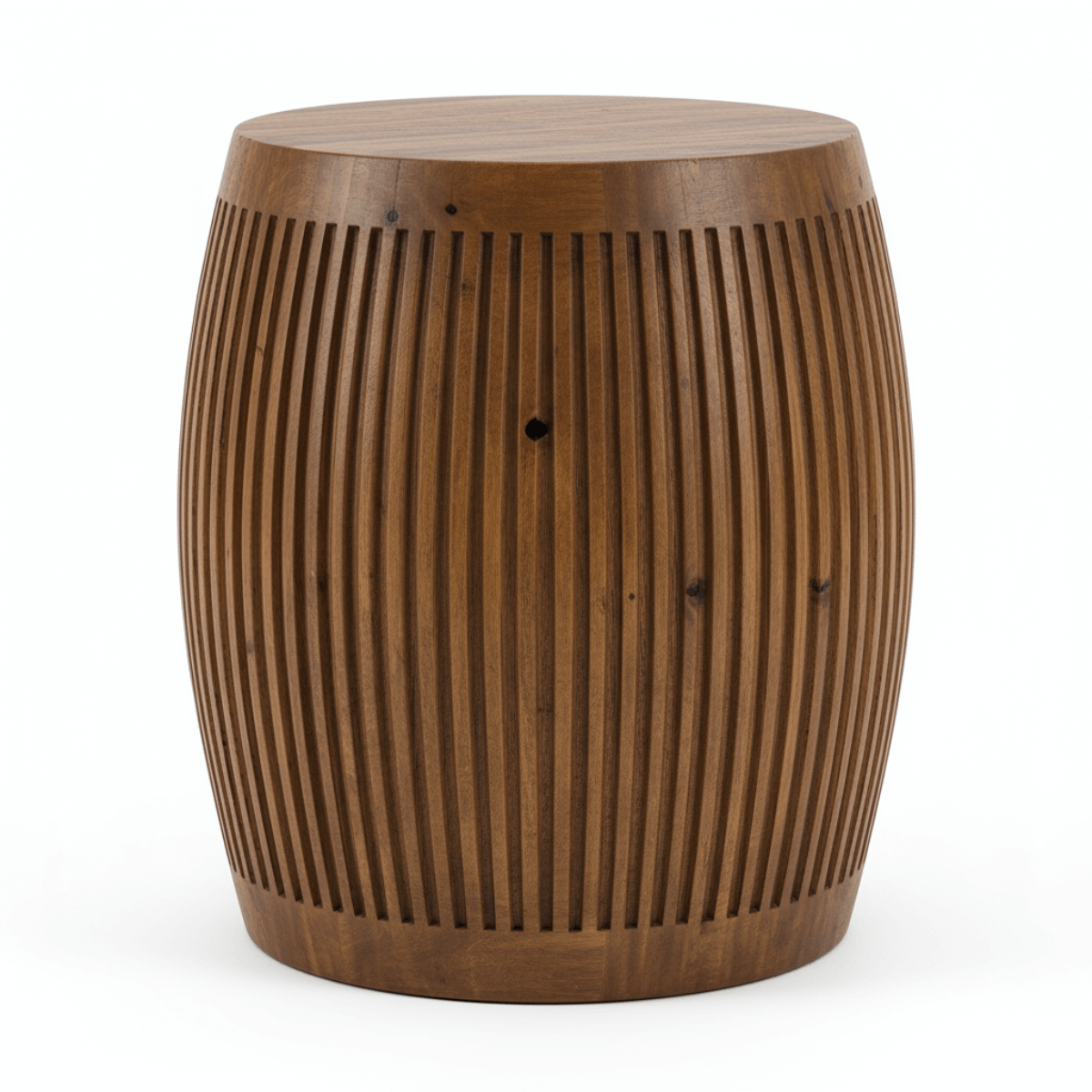
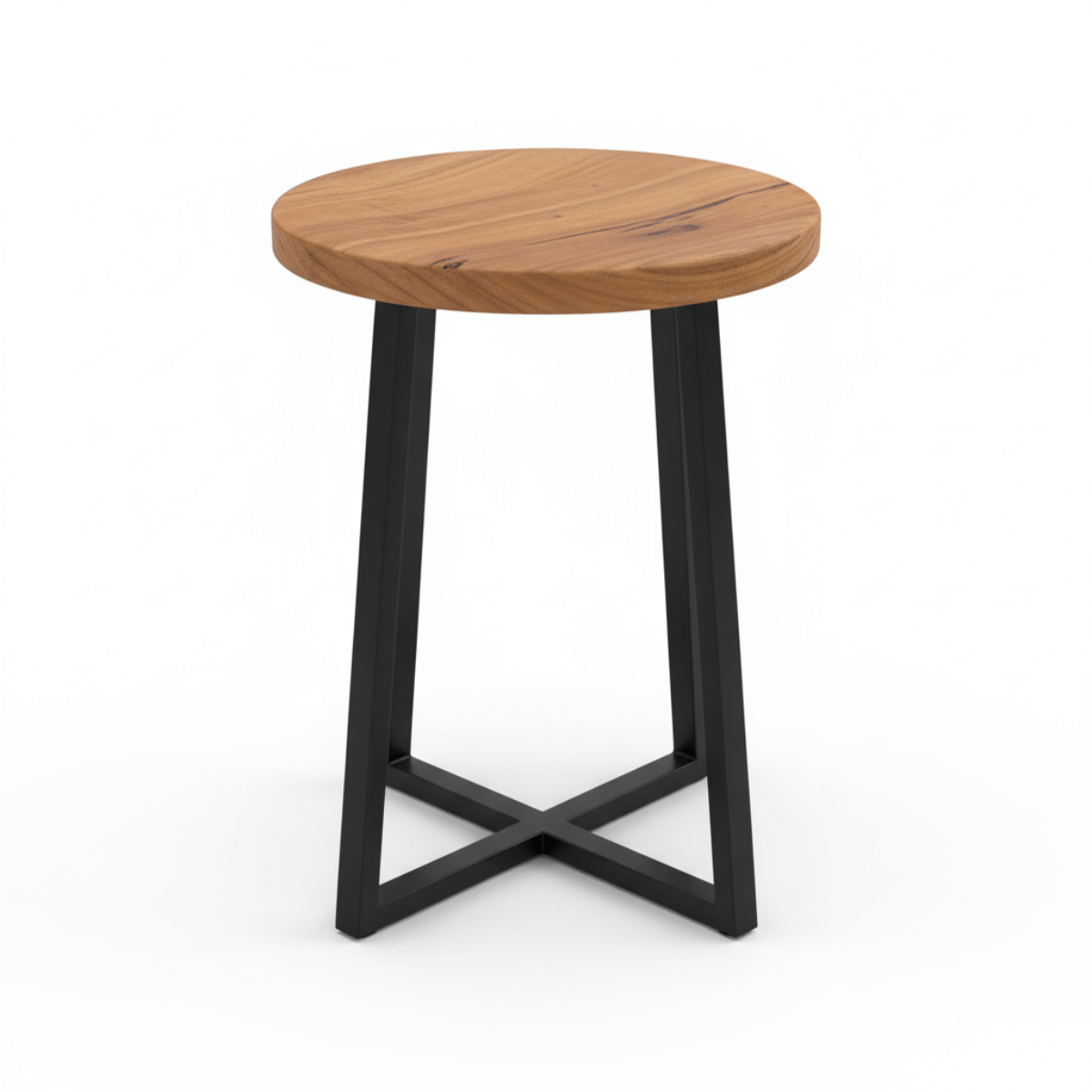
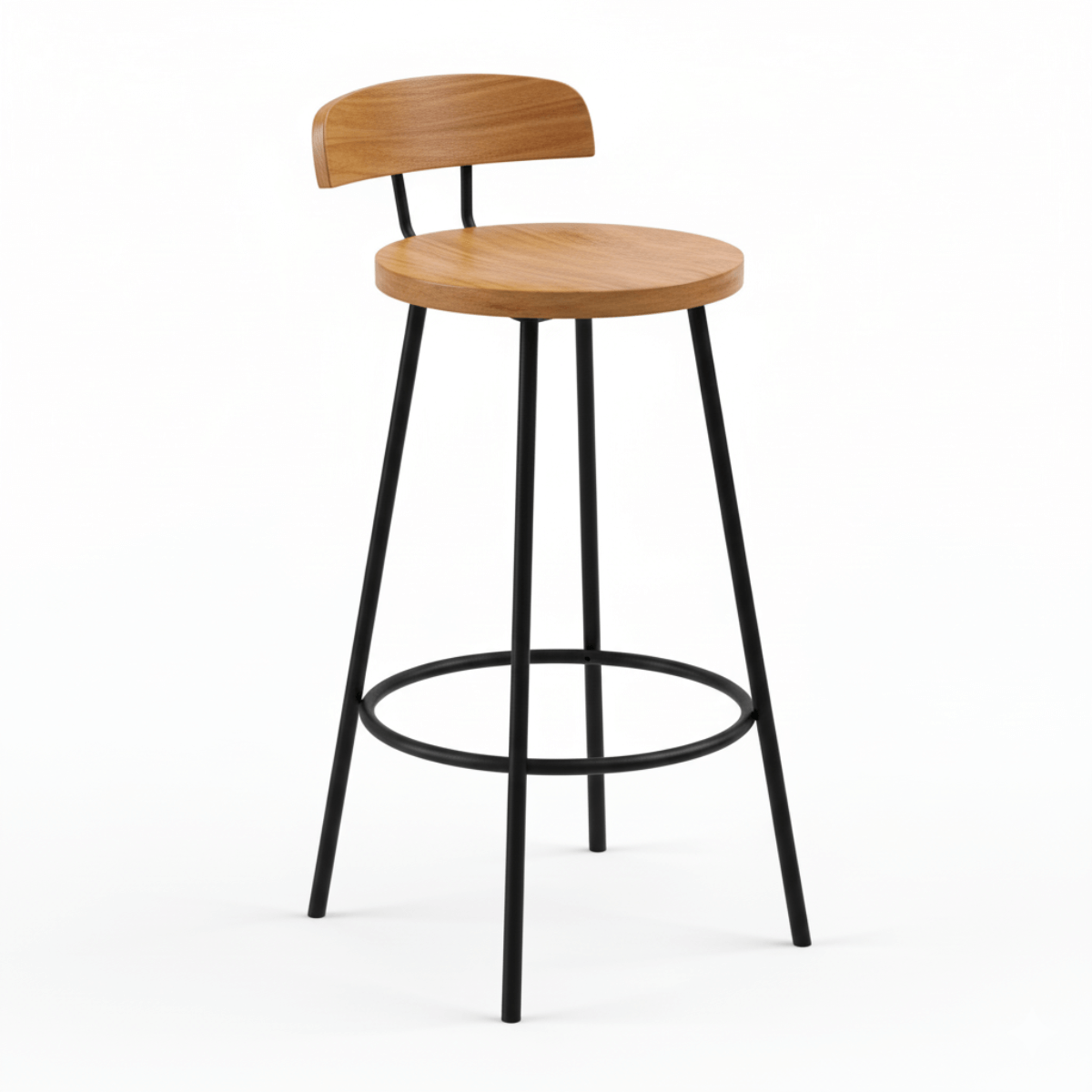
Our dining room furniture collection - including dining tables, chairs, sideboards, and benches - represents the design range from which private label adaptations are developed. All designs in this catalog are available for customization.
Contact Pindel Handicraft to request our private label program overview, current production capacity, and sample lead time for your first dining furniture collection.